Contractor Accommodation: A Guide for Project Teams
Find practical contractor accommodation Bournemouth options for project teams, from serviced apartments with kitchens to streamlined monthly invoicing.


On this page
For teams arranging contractor accommodation placements, a room may be enough for a short job, but the right stay depends on more than beds. When a placement runs for several weeks, a kitchen, washing machine and private workspace can make time away from site easier to manage.
It is understandable to focus first on location and headcount. Yet workers’ routines, the length of the project and the time your team can spare for bookings and paperwork also matter. This guide compares room-led stays with furnished, self-catering apartments, and explains which facilities can support everyday life between shifts.
You will also find a practical way to plan booking arrangements, including monthly rates for longer placements, corporate invoicing, purchase order references and multi-apartment bookings. Whether you are arranging one worker’s short placement or accommodation for a project team, the aim is to match the stay to the working pattern, keep company administration manageable and give people a comfortable base off site.
Key Takeaways
- Choose contractor accommodation for your project team by matching the format to the working pattern, not just the number of beds.
- Compare room-led stays, serviced apartments and extended stays by the privacy, shared space and everyday facilities workers need.
- Consider how cooking, laundry, reliable Wi-Fi and a private workspace can make time away from site easier to manage.
- Organise dates, occupancy details and possible extensions together to make team bookings and company paperwork more straightforward.
- For longer placements, understand what an all-inclusive monthly arrangement covers before setting your project accommodation budget.
Contractor accommodation Bournemouth: start with the project and stay pattern
A bed may cover tonight, but it will not necessarily suit a placement lasting several weeks. Contractor accommodation is temporary, furnished housing for individuals or teams working away from home. A useful starting point is to match the stay to the project’s length, the team’s working pattern and the facilities people need off site.
A short assignment may call for a straightforward room-led stay, particularly if workers spend most of their time on site and need little space beyond somewhere to sleep. A rolling project brings more uncertainty: dates may shift, workers may rotate and an extension could change the arrangement. During a longer placement, everyday routines matter more, so private cooking, laundry and workspace can be as important as the bed. There is no single duration that defines each pattern. Start with what the project actually requires.
Which details should shape the accommodation search?
Before comparing options, map the likely stay pattern and the needs of the people travelling. A clear outline helps avoid booking too little space or paying for facilities workers will not use.
- Dates: Set the expected start date, estimated project end and whether an extension is possible. Note any uncertainty early.
- Occupancy: Confirm how many workers need accommodation and whether they will arrive together or in stages. Staggered arrivals can affect how rooms or apartments should be grouped.
- Daily routines: Decide whether workers need to prepare meals, wash work clothes or handle paperwork and remote coordination in private. These needs can shape the accommodation format.
For a rolling project, keep confirmed dates separate from a possible extension. This gives the organiser a clearer basis for planning without treating an uncertain end date as fixed.
When can a serviced apartment suit a contractor?
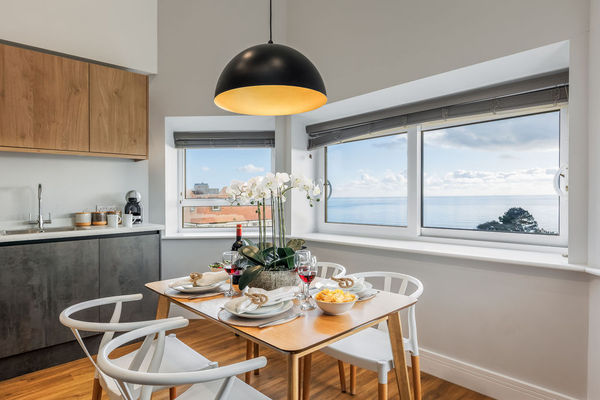
Self-catering can suit workers who want more than a bedroom between shifts. An equipped kitchen gives them the option to make their own meals, while a washing machine makes it easier to manage laundry during a longer stay. A private workspace and reliable Wi-Fi can also help with reports, calls or coordination outside site hours. These facilities support ordinary routines without adding unnecessary formality to the working day.
A room-led stay can still be practical when the placement is brief or workers do not need private cooking and living space. A serviced apartment offers more independence and room to settle into a routine, which may be valuable as a placement continues or the team’s needs change. Short-term rental is a broad term for temporary stays. The useful choice comes down to how people will work and live between shifts. Match the space to that pattern, not simply the headcount.
Contractor accommodation amenities that make working away easier
The value of an amenity is clearest after a full shift. A kitchen makes it easier to prepare a meal, a washing machine helps keep work clothes ready, and a private place to sit means paperwork does not have to be done in a shared area. When comparing contractor accommodation, look at how the facilities support the whole day, not just the hours spent asleep.
After a shift, workers may value a well-equipped kitchen, in-apartment laundry, dependable connectivity, a private place to work and straightforward parking. Each answers a different practical need, and the right combination depends on how workers spend their time off site.
Kitchen, laundry and private space for everyday routines
An equipped kitchen with an induction hob, oven, fridge and dishwasher gives workers options beyond relying on meals prepared elsewhere. They can store food, cook around changing shifts and tidy up in their own space. Over a longer placement, that flexibility can make everyday routines simpler.
An in-apartment washing machine is useful when work clothes need regular washing. Workers can do laundry around their own schedule rather than setting aside time to find another facility. This is a practical consideration for teams whose placement runs beyond a few nights.
A private, laptop-friendly workspace is different from a shared workstation. It gives someone a place to review documents, complete a report or join a call without taking over a communal area. For teams coordinating work away from site, that privacy can help keep downtime separate from project tasks.
Connectivity, parking and support during the stay
Fibre Wi-Fi is provided in every apartment, supporting online paperwork, video calls and remote coordination. Parking can also simplify the daily routine for workers travelling by car. Free on-site parking provides one bay per bedroom, so an organiser can factor that limit into travel plans rather than assume there will be extra spaces.
Local support is available around the clock by phone, WhatsApp and email. Guests have a way to raise a practical issue during their stay without relying on a shared reception desk. Flexiestays brings these facilities together in furnished apartments for short and extended stays.
When comparing accommodation, consider which amenities workers will use every day and which are occasional conveniences. A worker driving to site may value the parking arrangement most, while someone handling remote coordination may rely more on Wi-Fi and a private workspace. Matching facilities to actual routines helps keep the stay practical without treating every feature as essential.
Contractor accommodation compared: rooms, apartments and extended stays
There is no one format that suits every placement. Project teams can compare room-led stays, serviced apartments and extended serviced accommodation by considering how much privacy, independence and day-to-day space workers need. Headcount matters, but so do shift patterns, length of stay and whether colleagues need separate accommodation.
Room-led stay
Private sleeping space, with cooking and laundry arrangements depending on the accommodation. Shared areas may form part of the stay. It can suit a worker who mainly needs somewhere to rest between shifts.
Serviced apartment
A private apartment gives workers their own living space, with a kitchen and room to settle in. It can suit someone who values independence or a team that wants apartment-style accommodation rather than separate rooms.
Extended serviced accommodation
A furnished apartment arranged for a longer placement, with monthly rates available from 28 nights. It can suit a project where workers need familiar facilities over an extended period and the organiser wants included costs grouped together.
When might a room or an apartment fit better?
A room-led stay may be a sensible comparison for a short assignment, especially if workers expect to spend little time in their accommodation and mainly need a private place to sleep. It is not automatically a poorer fit: the practical question is whether shared space or limited cooking facilities work for each person’s routine.
An apartment offers a different balance. Workers can use their own kitchen and living space, which may be more convenient when shifts do not line up with meal times or the placement calls for quiet time away from colleagues. Separate apartments can give team members more privacy, while a room-led arrangement may suit workers who need less individual space. Match the format to the way people will use it rather than assuming one option suits everyone.
How does an extended stay change the comparison?
Length can affect both the facilities workers value and the way accommodation is priced. Stays of 28 nights or more qualify for monthly rates, typically 30 to 40% below the equivalent nightly rate. There is no maximum stay length, so an extended placement does not need to fit within a fixed maximum duration.
Long-term rates include utilities, fibre Wi-Fi, council tax, TV licence, gym access, parking and fortnightly cleaning. Including these items in the rate can help an organisation plan accommodation spending without estimating each listed service separately. Keep the project dates, occupancy and requirements alongside the quoted terms when comparing costs.
For a wider view of how accommodation demand and expenses feature in corporate travel, see this coverage of business travel lodging trends. It is useful background, but the decision for a project team remains practical: choose the arrangement that fits workers’ routines and the expected length of the stay.
How to organise contractor accommodation for a project team
A shared booking brief can save time when accommodation is needed for several workers or project dates may move. Teams can make arrangements more manageable by confirming the working pattern first, then keeping guest details and company paperwork together.
A booking checklist for the person arranging the stay
Prepare the core information before arranging accommodation. This checklist works whether you are booking for one worker or coordinating a larger team.
- Confirm the dates. Record the expected start date, likely placement length and any possible extension. Separate confirmed dates from provisional ones so the booking reflects what the project team currently knows.
- Set out the occupancy. Note how many workers need accommodation, who needs a separate room or apartment, and whether arrivals are on the same day or staggered. Grouping similar arrival dates can make the schedule easier to manage.
- Describe the stay requirements. Record the facilities workers need and any differences between individuals or teams. For an extended placement, long-stay apartment options can suit workers who need furnished accommodation for more than a short visit.
- Prepare company details. Have the organisation’s name, billing details and any purchase order reference ready. Corporate bookings can use VAT invoicing and purchase order references, helping keep booking paperwork connected to the project.
- Assign responsibility for changes. Decide who will pass on revised dates, worker substitutions or extension requests. A named organiser helps prevent separate updates reaching different people without a clear record.
Coordinating accommodation for more than one worker
For a team, make one arrival list with each worker’s name, accommodation dates and any room or occupancy requirement. Share the same version with the people handling travel and project scheduling. If arrival dates differ, group workers by date rather than sending one long, unstructured list.
Multi-apartment block bookings can bring several stays into one coordinated arrangement. This can simplify administration for repeat projects or teams travelling in stages, particularly when the company needs a consistent record of dates and invoices. The apartment layouts for different team needs can help an organiser consider how workers’ accommodation requirements may be grouped.
Keep general planning separate from the booking’s company-specific details. The project brief should cover workers, dates and occupancy; the corporate information should cover billing, VAT invoicing and purchase order references. With both prepared, the booking conversation can focus on the actual arrangement rather than chasing missing details.
For a project stay, send the accommodation dates and team requirements to arrange the booking.
Flexiestays contractor accommodation for practical, longer project stays
For contractors on an extended placement, furnished serviced contractor accommodation Bournemouth options can offer a practical middle ground between a room and a longer-term home. Flexiestays Bournemouth provides furnished apartments for short and extended stays, with monthly rates for stays of 28 nights or more. That threshold gives project organisers a clear point at which to compare a monthly arrangement with the equivalent nightly rate.
What is included in an extended Flexiestays Bournemouth stay?
Qualifying long-term rates are all-inclusive, bringing regular accommodation costs and services into one arrangement. They include utilities, fibre Wi-Fi, council tax, TV licence, gym access, parking and fortnightly cleaning. This can make it easier for a company to forecast the accommodation element of a project budget rather than account for each listed service separately.
Parking is provided on site at no charge, with one bay per bedroom. This gives organisers a clear figure to use when planning travel for workers arriving by car. Long-term stays do not require an assured shorthold tenancy (AST), agency fee or guarantor, which can make the booking process more straightforward than arranging a conventional residential let.
The monthly rate is typically 30 to 40% below the equivalent nightly rate. This is a comparison, not a quoted saving for every booking: the relevant dates and arrangements determine the rate. For a placement that may continue beyond its initial plan, a monthly structure can also make accommodation spending easier to monitor.
How can corporate booking support help?
Company bookings can use VAT invoicing and purchase order references, helping keep accommodation records aligned with internal finance processes. Share the company billing details and any purchase order reference as part of the booking information so the paperwork can be associated with the stay. VAT invoicing is available, and the applicable VAT treatment depends on the booking.
Corporate accounts can also support multi-apartment block bookings, which is useful when workers arrive on similar dates or a project needs several apartments. For stays over six months, negotiated rates can be discussed. This gives organisations arranging a longer placement or repeat project a way to consider the booking as a whole, rather than treating every apartment as an unrelated reservation. The project details inform the rate and arrangement.
For the organiser, the practical advantage is having accommodation and company administration considered together: the length of stay, apartment requirements, invoice details and purchase order references all form part of the booking picture. Workers get furnished accommodation for the placement, while the company has a clearer record of what has been arranged.
To discuss a longer project stay or a multi-apartment booking, speak to corporate accounts at Flexiestays Bournemouth.
Plan accommodation alongside the project
Accommodation works best when it is treated as part of project planning, rather than a separate task left until everything else is settled. Teams can connect the stay plan with the project’s mobilisation and review points, giving the organiser a natural moment to revisit arrangements if the work programme or team changes.
Before making a decision, bring the project lead and booking organiser onto the same page about what a successful stay needs to support. A clear brief keeps the accommodation choice grounded in the work and gives the company a defined route for managing arrangements. It also makes it easier to keep accommodation planning connected to operational and finance processes as the project progresses.
If you are putting a project stay in place, prepare a concise brief covering the team’s requirements and schedule. Speak to corporate accounts about the project accommodation plan.
Frequently asked questions
Before comparing options, map the likely stay pattern and the needs of the people travelling. A clear outline helps avoid booking too little space or paying for facilities workers will not use. For a rolling project, keep confirmed dates separate from a possible extension. This gives the organiser a clearer basis for planning without treating an uncertain end date as fixed.
Self-catering can suit workers who want more than a bedroom between shifts. An equipped kitchen gives them the option to make their own meals, while a washing machine makes it easier to manage laundry during a longer stay. A private workspace and reliable Wi-Fi can also help with reports, calls or coordination outside site hours. These facilities support ordinary routines without adding unnecessary formality to the working day. A room-led stay can still be practical when the placement is brief or workers do not need private cooking and living space. A serviced apartment offers more independence and room to settle into a routine, which may be valuable as a placement continues or the team’s needs change. Short-term rental is a broad term for temporary stays. The useful choice comes down to how people will work and live between shifts. Match the space to that pattern, not simply the headcount. The value of an amenity is clearest after a full shift. A kitchen makes it easier to prepare a meal, a washing machine helps keep work clothes ready, and a private place to sit means paperwork does not have to be done in a shared area. When comparing contractor accommodation, look at how the fac
A room-led stay may be a sensible comparison for a short assignment, especially if workers expect to spend little time in their accommodation and mainly need a private place to sleep. It is not automatically a poorer fit: the practical question is whether shared space or limited cooking facilities work for each person’s routine. An apartment offers a different balance. Workers can use their own kitchen and living space, which may be more convenient when shifts do not line up with meal times or the placement calls for quiet time away from colleagues. Separate apartments can give team members more privacy, while a room-led arrangement may suit workers who need less individual space. Match the format to the way people will use it rather than assuming one option suits everyone.
Length can affect both the facilities workers value and the way accommodation is priced. Stays of 28 nights or more qualify for monthly rates, typically 30 to 40% below the equivalent nightly rate. There is no maximum stay length, so an extended placement does not need to fit within a fixed maximum duration. Long-term rates include utilities, fibre Wi-Fi, council tax, TV licence, gym access, parking and fortnightly cleaning. Including these items in the rate can help an organisation plan accommodation spending without estimating each listed service separately. Keep the project dates, occupancy and requirements alongside the quoted terms when comparing costs. For a wider view of how accommodation demand and expenses feature in corporate travel, see this coverage of business travel lodging trends. It is useful background, but the decision for a project team remains practical: choose the arrangement that fits workers’ routines and the expected length of the stay. A shared booking brief can save time when accommodation is needed for several workers or project dates may move. Teams can make arrangements more manageable by confirming the working pattern first, then keeping guest details
Qualifying long-term rates are all-inclusive, bringing regular accommodation costs and services into one arrangement. They include utilities, fibre Wi-Fi, council tax, TV licence, gym access, parking and fortnightly cleaning. This can make it easier for a company to forecast the accommodation element of a project budget rather than account for each listed service separately. Parking is provided on site at no charge, with one bay per bedroom. This gives organisers a clear figure to use when planning travel for workers arriving by car. Long-term stays do not require an assured shorthold tenancy (AST), agency fee or guarantor, which can make the booking process more straightforward than arranging a conventional residential let. The monthly rate is typically 30 to 40% below the equivalent nightly rate. This is a comparison, not a quoted saving for every booking: the relevant dates and arrangements determine the rate. For a placement that may continue beyond its initial plan, a monthly structure can also make accommodation spending easier to monitor.
Company bookings can use VAT invoicing and purchase order references, helping keep accommodation records aligned with internal finance processes. Share the company billing details and any purchase order reference as part of the booking information so the paperwork can be associated with the stay. VAT invoicing is available, and the applicable VAT treatment depends on the booking. Corporate accounts can also support multi-apartment block bookings, which is useful when workers arrive on similar dates or a project needs several apartments. For stays over six months, negotiated rates can be discussed. This gives organisations arranging a longer placement or repeat project a way to consider the booking as a whole, rather than treating every apartment as an unrelated reservation. The project details inform the rate and arrangement. For the organiser, the practical advantage is having accommodation and company administration considered together: the length of stay, apartment requirements, invoice details and purchase order references all form part of the booking picture. Workers get furnished accommodation for the placement, while the company has a clearer record of what has been arranged
The minimum stay is typically two nights, rising to three nights on peak weekends and holidays. Set out the expected arrival and departure dates early, especially if workers are joining at different stages. A short minimum stay can suit a brief assignment, while longer placements can be planned around the project schedule and workers’ practical needs.
Yes. Payment can be made in full at booking or split into instalments, depending on the length of the stay. Corporate bookings may also be invoiced monthly, which can help align accommodation payments with company administration. Have the billing details and any purchase order reference ready so the payment arrangement and paperwork can be considered together.
Under the standard cancellation terms, a full refund is available up to 14 days before check-in, and a 50% refund is available up to seven days before check-in. Cancellations within seven days are non-refundable. A flexible rate, which has a higher nightly price, allows free cancellation up to 24 hours before check-in. Check which rate applies to the booking before confirming travel plans.
Self-check-in starts from 3 pm, so a worker can follow the entry instructions without arranging a conventional reception check-in. Instructions are emailed three days before arrival, or within two hours for a last-minute booking. The organiser can pass the arrival information to each worker in advance, which is useful when a team is travelling separately or finishing work at different times.
Late check-out is available subject to availability. If a worker’s final shift or onward travel makes the usual departure time difficult, the organiser can raise the request as part of planning the stay. For a team, identify whose schedule is affected and communicate the request in good time, rather than assume every apartment can have the same departure arrangement.
No, there is no maximum stay length. This can help with a project that continues beyond its initial schedule, without requiring the accommodation plan to fit a fixed maximum duration. If the stay is extended, keep the revised dates and worker details together to make it easier to manage changes to the original booking and company records.