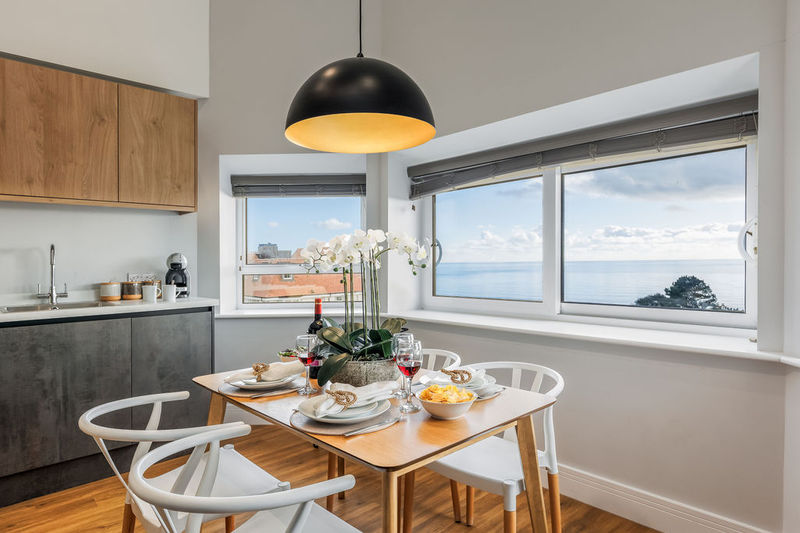
Flexible accommodation for remote workers with weekday stays
Plan flexible accommodation for remote workers on weekday stays. Compare UK aparthotels and coliving setups for dedicated workspaces, reliable Wi-Fi and space.


On this page
Yes, weekday-only stays over several months can be workable. Flexible accommodation for remote workers, such as an apartment hotel, can provide more space to settle into a routine than a standard hotel room, with private living areas and a comfortable place to work.
A weekday base can fit your working week without paying for nights you do not need. The right arrangement depends on your schedule and the space, Wi-Fi and facilities you need to work comfortably.
This article explains how apartment hotels and other work-ready accommodation can suit weekday or longer stays across the UK. It covers what to look for in a workspace, how serviced apartments compare with coliving, and which practical details matter when choosing a stay.
Key takeaways
- Compare apartment hotels with standard hotels for longer stays, focusing on the privacy and practical living space that can make a temporary base feel more settled.
- Map your weekday schedule before choosing a stay, so the booking pattern fits when you need to be at your destination.
- Assess the workspace, Wi-Fi, desk and chair together, rather than relying on a property’s general description.
- Consider whether a private apartment or shared coliving setup better suits your working style and need for quiet.
Apartment hotels as accommodation for digital nomads
UK options include aparthotels, serviced apartments, serviced houses and coliving spaces. Aparthotels combine private apartments with hotel-style services, while coliving typically pairs a private bedroom with shared communal areas. Choose according to how much privacy, space and access to shared facilities you prefer.
There is no standard minimum stay, cancellation window or notice period for every flexible stay in the UK. Check the accommodation’s booking terms for minimum nights, cancellation conditions and any notice required to change or end a stay.
Apartments and houses often provide a separate living area and a kitchen, making it easier to work, relax and sleep in different spaces than in a standard hotel room. For teams, private kitchens and living areas can also help manage hospitality costs compared with hotels.
Compare the practical setup, not just the nightly rate. Some serviced apartments have an in-apartment desk, while others offer access to a nearby coworking space. Around-the-clock reception and weekly housekeeping may also be available at some UK aparthotels. Facilities vary, so focus on what supports your working routine.
Accommodation search platforms help compare apartments and hotels by location, facilities and dates. Read each listing’s stay, cancellation and payment terms before booking, and consult GOV.UK consumer guidance for information about consumer rights. Compare platform listings with hotel-style apartment options, as their booking conditions and included services can differ.
Use this quick comparison to find flexible accommodation for remote workers across the UK:
- Aparthotel: suits travellers who want a private apartment alongside hotel-style services.
- Serviced apartment or house: works well when a kitchen and separate living space matter.
- Coliving: can suit digital nomads who value shared communal areas alongside a private bedroom.
Before booking, compare the workspace, kitchen, location and cancellation terms against your travel dates. National Rail’s journey planner can help assess rail connections when weighing up locations. Those details help establish whether the accommodation is suitable for a few nights or a longer working stay.
Properties with workstations and remote-work equipment
A workable remote office starts with a stable connection and a place to sit. Aim for internet speeds of at least 25 Mbps for video calls and similar tasks. Use the Speedtest app to assess connection speed, then consider whether the workspace has a desk, supportive chair and enough room for your equipment.
Some coliving spaces offer quiet rooms for calls, office chairs and adjustable desks. Others let guests borrow or rent a second screen. These features may suit remote workers who want a ready-made workstation, while an apartment gives you more control over where work fits into your living space.
Before choosing where to stay, map out your working week. Use a map to compare the property’s location with transport, shops and coworking spaces. A central base may shorten local journeys, while a quieter setting may suit focused work. Choose a location that fits your routine, not just the accommodation photos.
A kitchen lets you prepare meals around calls and deadlines. For longer stays, consider how laundry fits into your week and whether you need a washing machine or access to a laundrette. These practical details can affect your comfort wherever you stay in the UK.
Visa, tenancy and tax rules depend on your immigration permission, accommodation agreement, residence pattern and work arrangements. The type of accommodation alone does not determine which rules apply.
There is no single package for every serviced apartment, coliving space or extended-stay hotel. Wi-Fi, housekeeping, laundry access and coworking may be included in the price or charged separately, depending on the property’s terms.
- Personalise your setup: bring a laptop stand, headphones or keyboard if they support your work habits.
- Plan for calls: choose a quiet room or a workspace away from shared living areas.
- Plan the weekly routine: account for cooking, laundry and breaks alongside work hours.
Flexiestays Bournemouth: Tower House Apartments Hotel
For a remote-work stay, Tower House Apartments Hotel is one option to compare against your dates and preferred working routine. Look at the property details alongside your practical needs, such as how you plan to use the space between work and rest.
Cliff Heights Apartments Hotel and Cliff Manor Apartments Hotel offer further options to consider. Comparing their descriptions can help you narrow down a suitable base for your stay.
Plan a stay around the way you work
Before choosing dates, outline a typical working week: when you need a quiet place for calls, which nights you will stay and what you need nearby. This makes it easier to compare the details that shape your day, rather than judging by appearance alone. It also helps you decide whether flexible accommodation for remote workers fits your routine, particularly if your weekdays and weekends differ.
If Bournemouth is your intended base, Flexiestays Bournemouth can help you explore its apartment hotel options for your stay. Share the dates and working pattern you have in mind, then take the next step with a clearer sense of what matters to you.
Contact Flexiestays Bournemouth about your stay, and start planning a working week that feels settled.
Frequently asked questions
Yes, you can plan a weekday-only stay around the nights you need. Decide whether you prefer one continuous booking or separate weekday blocks, then compare the dates and cancellation terms. For a stay lasting several months, outline your likely schedule early so the booking arrangement reflects how often you will travel back and forth.
Turn your needs into clear priorities before comparing properties. Note your preferred dates, location, privacy requirements and essential facilities, then compare them with each property’s description and booking terms. Separating must-haves from preferences makes it easier to assess options for a regular work base or temporary stay.
The price depends on the dates, property and length of stay. For a useful estimate, include your expected arrival and departure dates and say whether you need one continuous stay or recurring weekday bookings. These details help match the quote to your accommodation needs and booking pattern.
A workation combines remote work with time away from home. Before arranging one, agree how you will protect confidential work, meet your employer’s expectations and separate working hours from leave. For example, plan private calls in advance and keep sensitive documents secure while travelling. A clear routine helps you work responsibly while enjoying a different setting.
An extension changes the dates covered by your original booking, so arrange revised dates under the accommodation’s booking terms. If your schedule may change, note your likely end date and alternative travel days before booking. This gives you a clearer basis for planning and helps you understand how changes to your stay are handled.