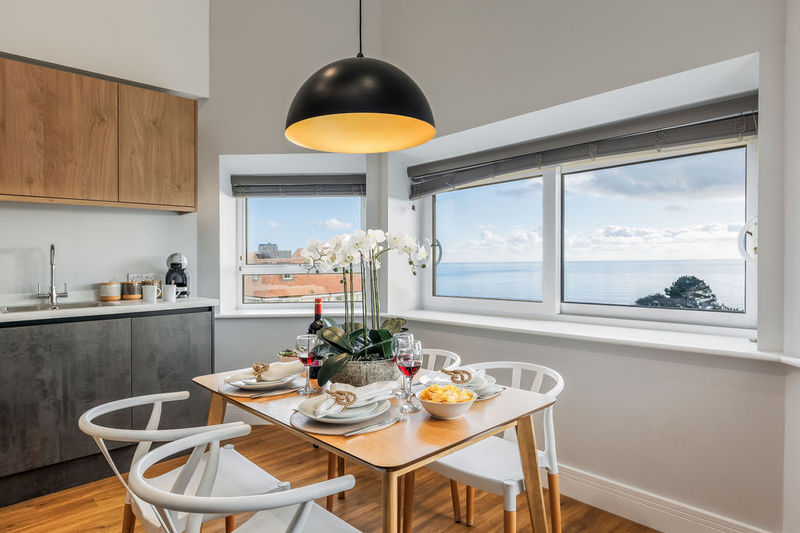
Fully furnished short term apartments with bills included
Find fully furnished short term apartments with bills included. Compare kitchen facilities, layout options and costs to choose the right temporary home.


On this page
The furniture is only part of the decision. Fully furnished short term apartments can give you a ready-to-use home, with bills included in some stays. Check the listing to see exactly what is covered. Kitchen facilities matter too: a well-equipped kitchen gives you more independence than a room designed mainly for sleeping.
If you’re relocating, working away from home or arranging a corporate stay, you may want a comfortable base without setting up a household from scratch. Here’s what to look for in furnished accommodation, how bills and kitchen facilities can differ, and which details to weigh when comparing options.
We’ll also compare studios with larger apartments and cover the practical questions to settle before booking. A serviced apartment can suit a stay that’s longer than a weekend but doesn’t call for a permanent home. Use your daily routine to guide the choice, whether you need somewhere to work, room to cook or an easy arrival in a new place.
Key takeaways
- Compare practical facilities such as Wi-Fi, self-check-in and workspace needs against the routine you’ll have during your stay.
- For a corporate stay or relocation, consider how the apartment’s layout and length of stay will support both work and day-to-day living.
- Look closely at which household bills are included and how the arrangement affects your overall budget.
- Choose a studio, one-bedroom or two-bedroom layout based on the space and privacy you need, not just the number of beds.
- A self-catering kitchen can make it easier to keep familiar routines and prepare meals during a longer stay.
Apartment facilities and on-site amenities
A furnished apartment should support everyday routines from arrival, not just provide a place to sleep. Check the listing for a bed, seating, dining space, storage and kitchen equipment. A desk and Wi-Fi can help with remote work, while laundry facilities may be useful during an extended stay. Treat each item as a detail to compare, not a standard feature of every property.
Look at how the layout supports your day. A modern apartment listed at 45 square metres shows why floor area can help when comparing properties, though it doesn’t reveal how rooms are arranged. Review the floor plan or room description for separate sleeping and working areas, storage, and space to open luggage without blocking a walkway.
Shared amenities vary between properties. Look for named facilities such as a communal laundry room, cycle storage, a lift or shared outdoor space. Check where each is located and whether access suits your routine. For example, a shared washing machine may be less convenient than one in the apartment if you regularly need clean work clothes.
- Sleeping: Check bed size, linen provision and bedroom storage.
- Working: Look for a desk, chair and stated Wi-Fi access.
- Cooking: Review the named appliances and cookware in the kitchen inventory.
- Practicalities: Check heating controls, laundry access and rubbish arrangements.
Assess the furnishings as a set. A dining table can double as a laptop workspace, while a wardrobe and drawers keep clothes accessible. Check whether the listing mentions kitchen utensils, towels and bedding rather than assuming “furnished” covers every household item. This quick inventory helps distinguish a usable home from a room with only basic furniture.
What documents and references are required to rent a short-term apartment in the UK? Hosts may ask for photo identification and booking details. Some arrangements may also require payment information or a reference. Read the booking terms before sharing personal documents.
What tenancy agreements and cancellation rules apply to short-term rentals in the UK? The agreement or booking terms set out the stay dates, payment schedule and cancellation conditions. Read them before paying, particularly the notice period and any charges for changes or cancellation.
What is the minimum and maximum rental period for a short-term furnished apartment? Available start and end dates depend on the booking terms, as stay lengths vary by property. Match the dates to your work assignment or moving timetable.
How can I avoid scams and check a short-term apartment before booking? Compare the stated address with the listing, review the photographs and get the booking terms in writing. Use the agreed payment method, and pause if the reservation details conflict.
Which UK areas offer the best value for short-term furnished apartments? Value depends on rent, transport costs, included bills and access to work or everyday services. Compare specific streets and likely journeys rather than judging an area by rent alone.
Corporate and relocation accommodation
A work assignment or move can change after arrival. A project team may need separate sleeping spaces, while someone between homes may want a settled base near work, schools or transport. Short-term accommodation can bridge the gap without a permanent commitment. Before choosing, map your likely routine: where you’ll work, how you’ll travel and what you need at home each day.
For a corporate stay, start with the working week. Check for a suitable table or desk, Wi-Fi and enough quiet for calls. If colleagues are travelling together, compare sleeping arrangements and shared living space rather than choosing by bed count alone. A clear booking record also helps an employer manage dates, payments and expenses. Keep the stay dates, guest names and agreed terms together.
Relocation calls for a different checklist. A temporary home near a new workplace can help you learn local routes before deciding where to settle. Check the street against your likely commute, then consider nearby shops, schools or healthcare if they matter to your household. Pack essentials separately and make an arrival list covering keys, heating controls, bins and laundry. This makes the first evening more practical and less of a search through boxes.
Families should picture an ordinary day in the apartment. A separate bedroom, for example, can help a child keep a familiar bedtime while adults use the living area. Look for dining space, storage for pushchairs or suitcases, and a kitchen that suits your household’s meals. If a pool or jacuzzi matters, verify that specific facility in the property description. Check access arrangements, opening times and house rules before planning around it.
Students may need temporary accommodation between university housing, placements or term-time addresses. A furnished apartment can provide a base for study and daily life, but it isn’t automatically the same arrangement as a student tenancy. Match the booking dates to your placement or course timetable, and check whether bills, internet and kitchen equipment are included. For a shared stay, agree in advance how residents will divide rent, cleaning and responsibility for communal areas.
- For work: prioritise a practical workspace, internet and commute.
- For relocation: map the street and everyday services before booking.
- For families: assess sleeping, dining and storage arrangements.
- For students: align stay dates with the academic or placement schedule.
Fully furnished apartments with bills included
“Bills included” can make budgeting simpler, but check the booking terms for the exact package. Compare the stated utilities, Wi-Fi, bathroom essentials and linen arrangements before weighing the weekly or monthly cost.
Included bills
Check each bill named in the booking details rather than treating “all bills” as a full breakdown. Identify whether electricity, gas, water, council tax and internet are included. Check whether the amount covers the full stay and whether any usage limits or exclusions apply. This makes it easier to compare properties on the same basis.
One apartment, for example, may include Wi-Fi but list energy separately, while another may bundle several utilities. Note what happens if your stay dates change, and keep the agreed bill arrangement with your booking record. A clear breakdown helps corporate travellers submit expenses and relocating households plan regular outgoings without confusing rent with household costs.
Weekly and monthly costs
How much do fully furnished short-term apartments cost per week or month in the UK? The price depends on the case and is given after a quote request; location, apartment size, stay dates, length of stay and included bills all affect it. A central address or a larger layout can change the total, as can whether utilities and internet sit within the quoted amount.
Compare like with like: use the same dates, guest numbers and stay length when reviewing options. A weekly figure may not translate directly into a monthly total, as rates can vary with duration and dates. Separate accommodation costs from transport, meals and other living expenses. This gives you a more useful budget than comparing headline rent alone.
Bathroom and linen details also affect what you need to bring. Check whether towels, bedding and basic bathroom supplies are provided, and whether replacements are included during the stay. “Furnished” describes the apartment broadly, but doesn’t specify every item. A quick inventory can prevent duplicate packing, particularly when luggage space is limited during a move.
Wi-Fi is worth checking if you work remotely or rely on video calls. Look for whether internet access is included and note any stated conditions. The connection may support work, streaming and everyday communication, so consider your routine rather than assuming the word “Wi-Fi” answers every question. Nearby shops and transport can suit someone who values easy access to daily services, while a quieter street may be better for focused work.
- Before comparing: write down the bills included in each quoted amount.
- Before arrival: check the bathroom, linen and Wi-Fi arrangements.
- For budgeting: compare matching dates, duration and apartment size.
Studios, one-bedroom and two-bedroom apartments
The right layout depends on how you’ll use each room, not simply how many people are travelling. A studio combines sleeping and living space, while separate bedrooms in larger apartments can give guests more privacy. For a short stay, compare the floor plan with your daily routine: working, cooking, relaxing and storing luggage all need room.
A studio can suit a solo traveller looking for a compact base without a separate bedroom. Check where the bed sits in relation to the kitchen and living area. If you’ll work in the apartment, picture where your laptop and paperwork can go without taking over the dining space. A defined sleeping corner can make a studio easier to use throughout the day.
A one-bedroom apartment separates the sleeping area from the main living space. That distinction can help a couple keep different routines, or give one guest a quieter place to sleep while another reads or works. One listed modern one-bedroom apartment measures 51 square metres. Use floor area alongside the layout when comparing options, since room arrangement affects how spacious an apartment feels.
Two bedrooms can suit colleagues, friends or a small family who want separate sleeping spaces. Before booking, check whether the second bedroom has a proper bed, storage and room to move around. Then consider the shared areas. If everyone will use the apartment for meals and downtime, a comfortable living space may matter more than an extra bedroom alone.
Use this simple comparison when reviewing listings:
- Studio: consider it when one flexible room suits your stay; check sleeping, dining and working arrangements.
- One bedroom: look for a useful separation between the bedroom and living area.
- Two bedrooms: check the beds and storage in both rooms, plus space for everyone to sit together.
Match the layout to the length and purpose of your visit. A guest on a brief work assignment may value a desk and separate bedroom, while a solo traveller may prefer a well-planned studio. For a family, consider where bags, coats and everyday items will go. These checks help you judge whether an apartment will suit your stay beyond its photographs.
Compare the floor plan, room descriptions and guest capacity together. “One bedroom” describes the room count, not the size of the living area or storage. Reviewing these details helps you choose a layout that supports your stay, whether you need a compact base or separate bedrooms.
Serviced apartments and self-catering kitchens
A serviced apartment combines private living space with accommodation arranged for a short stay. A self-catering kitchen adds flexibility, especially if preparing meals is part of your usual routine.
Serviced apartments
“Serviced apartment” describes a style of accommodation, not a standard package. Before booking, compare the specific services listed, such as self-check-in, Wi-Fi or cleaning arrangements. A professional travelling for a project, for example, may value an easy arrival and a private place to work. Read the booking terms to understand which services are included and when they apply.
Self-catering kitchens
A self-catering kitchen lets you prepare food in the apartment rather than relying on meals out. Check the listing for the equipment you’ll use, such as a hob, oven, microwave, fridge and cooking utensils. If you plan to make breakfast before work or cook an evening meal, those details matter more than a general “kitchen” label.
A kitchen can help make a temporary booking feel more like everyday living. During a relocation, familiar meals may help maintain a routine while you explore a new neighbourhood. On a corporate stay, preparing breakfast or lunch at home can fit around an early start. Think through a typical day, then compare the available facilities with the meals you plan to make.
Use this practical check before choosing:
- Plan a meal: list the appliances and utensils needed for a simple dish.
- Review storage: consider where groceries and leftovers will fit.
- Check dining space: decide whether you’ll eat at a table or use a breakfast bar.
- Consider cleaning: read the stay information for kitchen cleaning arrangements.
These checks help distinguish a kitchen suited to occasional drinks from one that supports regular cooking. A fridge and kettle may cover basic refreshments, while a hob and suitable pans make simple dinners possible. The right fit depends on how often you’ll cook, what you like to eat and how much time you’ll spend in the apartment.
Serviced accommodation and self-catering aren’t opposites. One describes the accommodation arrangement; the other describes how you can prepare food. Together, they can suit professionals between work commitments, people moving home or guests wanting a private base for a longer visit. Compare the kitchen inventory and service details separately, so the arrangement matches your routine.
Before choosing an apartment, list your essential services and kitchen equipment, then compare each listing against that checklist. This keeps your decision grounded in how you’ll use the space, rather than relying on labels alone.
Flexiestays: Tower House Apartments Hotel
Flexiestays Bournemouth offers Tower House Apartments Hotel for guests looking for a furnished base for a short stay. Its apartments include self-check-in, fast Wi-Fi and smart TVs, making it easy to arrive independently, stay connected and relax after work or travel.
If your plans call for a different setting, Cliff Heights Apartments Hotel, Cliff Manor Apartments Hotel and Shore Retreat Apartments Hotel are other accommodation options. Consider your preferred location, apartment layout and practical facilities, then compare those details with your priorities.
To compare the accommodation details with your own plans, use the Tower House Apartments Hotel information alongside your shortlist.
Make your next stay work around you
Before choosing an apartment, turn your plans into a short booking brief. Note your dates, who is travelling, where you need to be and what matters most in daily life. A clear list makes it easier to compare fully furnished short term apartments against your routine, rather than choosing on appearance alone.
Flexiestays offers Tower House Apartments Hotel, Cliff Heights Apartments Hotel and Cliff Manor Apartments Hotel for your travels. Compare each option’s location and accommodation style with your plans. Keep your essential requirements together, including preferences around kitchen use, work and sleeping arrangements.
When you’re ready to explore the options for your stay, contact Flexiestays Bournemouth. A considered choice can make settling into your temporary home feel that bit more straightforward.
Frequently asked questions
An extension depends on the booking arrangements and whether the extra dates can be accommodated. Contact Flexiestays before your current departure date rather than assuming the apartment will remain available. Ask for the revised dates and any change to the booking total in writing. This gives you a clear record and time to plan if the extension isn’t possible.
Read the booking terms for the process and any conditions covering date changes. Contact Flexiestays as soon as your plans change, and share your original dates and preferred alternatives. Wait for written confirmation before relying on new dates or making related travel plans. A booking change may affect the total charge, so compare the revised confirmation with your original record.
A colleague, employer or family member can make an enquiry or booking, but the person staying should be clearly identified in the reservation details. Provide accurate guest names and a reliable way to share arrival information. Before payment, establish who will receive booking updates and who can discuss changes. This avoids confusion if the person arranging accommodation isn’t travelling.
Set out the employee’s intended dates, number of guests, work location and practical requirements. Say whether the booking is for one traveller or a team, and who will handle payment and correspondence. If project dates are provisional, mention that from the outset. A concise brief helps Flexiestays understand the request and respond with relevant options.
Choose one person to coordinate booking details and keep a shared record of each traveller’s dates, arrival plans and reservation information. For colleagues staying separately, make each guest’s details easy to distinguish. If arrangements change, update the central record and share the new information with everyone affected. This simple process helps prevent mix-ups when travel plans shift or team members arrive separately.
Value depends on rent, transport costs, included bills and access to work or everyday services. Compare specific streets and likely journeys rather than judging an area by rent alone.