Holiday Stay with Kitchen: What to Look For Before You Book
Choosing a holiday stay with kitchen facilities? Check equipment, fridge space and inventory lists before booking so you can prepare proper meals with ease.


On this page
What if “kitchen” in a listing doesn’t mean you’ll have what you need to make a proper meal? When choosing a holiday stay with kitchen facilities, check the details: a hob and oven offer different options from a microwave and kettle, and equipment can vary between properties. Knowing what is included helps you choose a holiday stay with kitchen facilities that suits the way you plan to eat.
It’s understandable to want more flexibility than a standard hotel room, whether you’re planning family meals, an early breakfast or simply a cup of tea when it suits you. But accommodation descriptions don’t always show what your daily routine will be like once you arrive.
This guide explains what to check before booking, from cooking equipment and crockery to fridge space, cleaning arrangements and the differences between a self-catering apartment and a hotel room. You’ll also find practical questions to ask, so you can compare options against your plans rather than relying on a listing’s headline description. The aim is simple: choose a stay that makes meals and time away easier.
Key takeaways
- A holiday stay with kitchen facilities can mean anything from a compact kitchenette to a full cooking space, so check the actual equipment list.
- Match the cooking, food storage and washing-up facilities to the meals you expect to prepare and the needs of everyone travelling.
- Compare an apartment with a hotel room by considering your meal routine and how much flexibility you want, rather than assuming one option suits every trip.
- Before booking, check the listing and ask about any kitchen essentials that aren’t clearly confirmed.
- Use a confirmed inventory, such as an induction hob, oven, fridge and dishwasher, as a practical reference when weighing up what “fully equipped” means.
What Does a Holiday Stay with Kitchen Usually Include?
A holiday stay with a kitchen gives guests facilities to prepare meals and space to store food during their stay. The phrase describes the opportunity to self-cater, but it doesn’t guarantee a particular layout or set of appliances. One property might have a full kitchen; another may offer only a small kitchenette.
That distinction affects what you can comfortably make. If you’re planning more than simple breakfasts or reheating food, check the listed equipment rather than relying on the word “kitchen”. Food preparation facilities can make it easier to fit meals around days out, late arrivals or an early start. They offer flexibility, but don’t guarantee that your trip will cost less.
Kitchen, kitchenette or shared facilities: what’s the difference?
Listings don’t always use “kitchen” and “kitchenette” in the same way. A full kitchen generally suggests a dedicated cooking area, while a kitchenette may have more limited equipment or worktop space. The description alone won’t confirm what’s available, so look for named facilities such as a hob, oven, fridge and food preparation space. If these aren’t specified, ask before booking.
Check whether the facilities are private to your accommodation or shared with other guests. This affects when you can prepare food and how easily you can store shopping. Choose a kitchen-equipped stay that suits how you intend to use it, rather than relying on the label in a listing.
Who benefits from choosing self-catering accommodation?
Kitchen access can suit different kinds of trips. Families may find it useful for familiar breakfasts or meals at children’s usual times. Couples might value the option of a relaxed meal in, whilst solo travellers can prepare something simple without depending on restaurant opening hours. On a longer trip, being able to store food and follow everyday routines may make the accommodation more practical.
It’s a matter of fit, not a rule that self-catering is right for everyone. If you expect to eat out most of the time, extensive cooking facilities may not be a priority. If you’re comparing an aparthotel or serviced apartment with a standard hotel room, the term can indicate a blend of hotel-style accommodation and apartment features. Check what the specific property includes. Your meal plans, kitchen privacy and the actual inventory are more useful guides than the label alone.
Which Kitchen Facilities Matter for a Comfortable Holiday Stay?
A useful kitchen is defined by what you plan to do in it. For a quick breakfast, a kettle and toaster may be enough. If you’re planning evening meals, check for suitable cooking appliances, cookware and crockery, along with somewhere to keep fresh food. Don’t assume that “fully equipped” means the same thing in every listing.
One confirmed apartment inventory provides a practical comparison point: an induction hob, oven, fridge, dishwasher, washing machine, kettle, toaster, cookware and crockery. Treat this as an example of a clearly stated inventory, not as a standard every holiday stay with kitchen facilities will meet.
Which appliances should you check before booking?
Start with your likely meals and daily routine. An induction hob lets you cook in pans, whilst an oven gives you another way to prepare food. Check whether the fridge has enough space for what you expect to store. A kettle is useful for hot drinks and simple breakfasts; a toaster may also suit your morning routine.
A dishwasher can make washing up more straightforward, particularly if you’re preparing meals regularly. A washing machine is a separate convenience that may matter on a longer trip, but it isn’t a kitchen essential for everyone. If an appliance you rely on isn’t clearly listed, ask the accommodation provider to confirm it before booking.
What cooking equipment makes a kitchen genuinely usable?
Appliances are only part of the picture. Cookware and crockery determine whether you can turn those facilities into a meal, while a toaster can make a simple breakfast easier. Check the listing for items that match your plans, whether that means making tea, preparing packed lunches or cooking an evening meal. Don’t assume ingredients, condiments or specialist equipment will be supplied.
Use this quick checklist to compare published amenities:
- Cooking: hob, oven and cookware, if you plan to prepare meals.
- Food storage: a fridge, with any extra cold-storage needs confirmed.
- Washing up: crockery and, if useful to your routine, a dishwasher.
- Everyday use: a kettle and toaster for simple breakfasts and hot drinks.
- Longer stays: check whether a washing machine is available if you expect to need one.
Compare the list with your own meal plans rather than looking for the longest inventory. If a key detail is missing or unclear, get confirmation before you commit.
Holiday Apartment with Kitchen or Hotel Room: How to Choose
The right choice depends on how you expect to spend your time in the accommodation. A holiday stay with kitchen facilities gives you the option to prepare meals and keep food on hand, whilst a standard hotel room may suit a trip where you mainly need somewhere to sleep between plans. Neither is automatically the better fit.
Use this comparison as a starting point, then check the facilities listed for the specific room or apartment. Features vary between properties, and labels alone don’t confirm what’s included.
| What to compare | Apartment with kitchen | Standard hotel room |
|---|---|---|
| Meal flexibility | Can make it easier to prepare food or keep snacks and ingredients, depending on the facilities. | May suit guests who plan to eat out or don’t expect to prepare meals in their room. |
| Cooking facilities | Check which appliances, cookware and crockery are provided. | Check whether any food-preparation facilities are included. Don’t assume there’s a kitchen. |
| Daily routine | May help if you want to fit meals around your own schedule. | May suit a shorter or busier stay when you expect to spend little time in the room. |
When is a self-catering apartment the more practical fit?
An apartment may work well if you expect to prepare some meals, need to keep food chilled or prefer to follow familiar mealtimes. The value of those facilities depends on your plans: they may be useful for a longer trip, but less so if you’ll rarely be in the accommodation. If separate living and sleeping areas matter to your group, check the room layout in the listing rather than assuming every apartment has them.
When might a hotel room suit your plans better?
If you’re not planning to cook and expect to be out for most meals, a kitchen may add facilities you won’t use. A hotel room can be a straightforward option when its stated features meet your needs. Compare like with like, including sleeping arrangements and any facilities important to your trip, rather than judging by accommodation type alone.
Trip length and party needs can help clarify the choice. A couple on a brief break may have different requirements from a family planning regular meals or a solo traveller staying longer. Before booking, confirm the listed facilities and consider how often you’ll use them. This helps you choose accommodation that fits your routine, rather than focusing only on the room label.
How to Check a Holiday Stay with Kitchen Before Booking
A listing can sound well equipped and still leave a practical question unanswered. To check whether a holiday stay with kitchen facilities suits your trip, compare the stated inventory with your meal plans, confirm any missing essentials with the provider and check arrival details separately.
Work through this checklist before confirming:
- Read the full amenities list. Look for specific appliances and equipment rather than relying on phrases such as “kitchen facilities” or “fully equipped”.
- Confirm whether the kitchen is private. If the listing doesn’t make this clear, ask whether the facilities are for your accommodation alone or shared.
- Match the inventory to your plans. Think about the breakfasts, packed lunches or evening meals you expect to prepare, and any dietary requirements that affect what you need.
- Ask about anything essential that’s missing. Confirm the availability of particular cookware, crockery or appliances before booking if they’ll make a difference to your stay.
- Check arrival and support arrangements separately. Review check-in instructions, any stated conditions on amenities and how to contact the provider if you need help.
Questions to ask about the kitchen and included equipment
Keep your questions specific. Ask which cooking appliances are included, whether the kitchen is private and whether cookware and crockery are available to guests. If you need a particular item, name it rather than asking generally whether the kitchen is equipped. Don’t assume food, ingredients, condiments or specialist cooking equipment will be supplied unless the provider confirms this.
Dietary needs deserve the same practical check. Consider whether the listed facilities allow you to prepare the meals you have in mind, and ask about any essential equipment that isn’t mentioned. This gives you a clearer answer than the headline description alone.
Check the stay details beyond the kitchen
Kitchen amenities won’t tell you how arrival works. Read the check-in instructions and note any stated times or steps you’ll need to follow. Check which other facilities are included and whether the listing gives conditions on their availability. Save the provider’s support contact details before travelling, and clarify important requirements in advance.
A short written confirmation can help you keep track of what’s been agreed. Focus on the details that affect your routine, then judge the accommodation against those needs rather than assumptions about what a kitchen should include.
Choosing a Serviced Apartment Holiday Stay with Kitchen
A serviced apartment can suit travellers who want cooking facilities alongside practical arrangements for their stay. The right choice still comes down to your plans: consider which kitchen equipment you'll use, whether other amenities matter to your routine, and what arrival and support details are confirmed for the accommodation.
What to expect from the confirmed apartment amenities
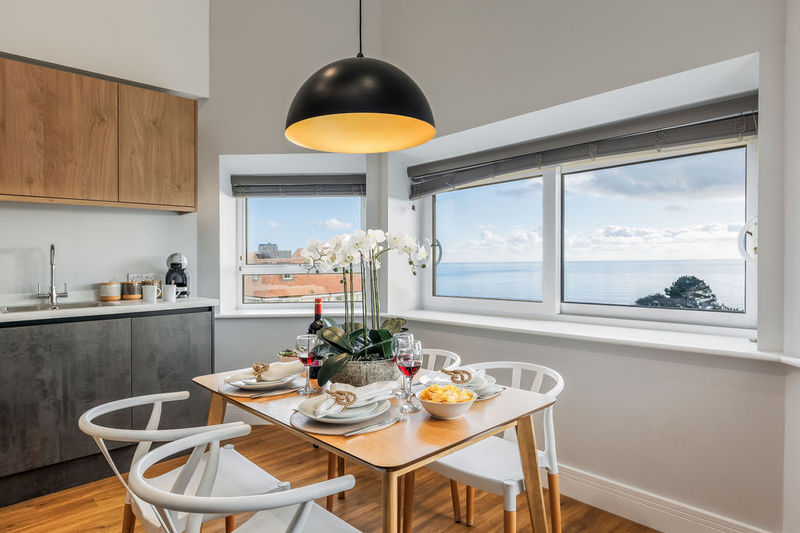
Every Flexiestays Bournemouth apartment includes a fully equipped kitchen. The listed inventory comprises an induction hob, oven, fridge, dishwasher, washing machine, kettle, toaster, cookware and crockery. These facilities support different routines, from making a hot drink to preparing and storing meals. Check the current listing for the apartment you're considering, particularly if a specific item is essential to your plans.
Fibre Wi-Fi and a Smart TV are also included amenities. Self-check-in is available from 3 pm, and local support is provided 24/7 by phone, WhatsApp and email. Check the details for the particular accommodation and dates you're considering.
Make the next step simple
Before you confirm, match the inventory with the meals you expect to prepare and any dietary requirements. If you need a particular appliance or piece of equipment, ask the accommodation provider to confirm it rather than relying on a general description. It's a small check that can prevent an inconvenient surprise after arrival.
For one example, review the facilities listed for the Tower House Apartments Hotel. Check the accommodation details and clarify any requirements that affect your choice. That way, you can decide whether the kitchen and stated amenities fit the rhythm of your trip.
Choose a Stay That Fits Your Routine
The right holiday stay with kitchen facilities is one that matches how you’ll spend your time away. Check the appliance and equipment list, compare it with your meal plans, and weigh up whether an apartment or standard hotel room better suits your trip. If something essential isn’t clear, confirm it before booking.
Every Flexiestays apartment includes a fully equipped kitchen with an induction hob, oven, fridge, dishwasher, washing machine, kettle, toaster, cookware and crockery. Self-check-in is available from 3 pm, with 24/7 local support by phone, WhatsApp and email. Check that these details apply to the accommodation you’re considering, along with any specific kitchen requirements that matter to you.
Ready to choose accommodation that suits your plans? Find your stay.
Frequently asked questions
Listings don’t always use “kitchen” and “kitchenette” in the same way. A full kitchen generally suggests a dedicated cooking area, while a kitchenette may have more limited equipment or worktop space. The description alone won’t confirm what’s available, so look for named facilities such as a hob, oven, fridge and food preparation space. If these aren’t specified, ask before booking. Check whether the facilities are private to your accommodation or shared with other guests. This affects when you can prepare food and how easily you can store shopping. Choose a kitchen-equipped stay that suits how you intend to use it, rather than relying on the label in a listing.
Kitchen access can suit different kinds of trips. Families may find it useful for familiar breakfasts or meals at children’s usual times. Couples might value the option of a relaxed meal in, whilst solo travellers can prepare something simple without depending on restaurant opening hours. On a longer trip, being able to store food and follow everyday routines may make the accommodation more practical. It’s a matter of fit, not a rule that self-catering is right for everyone. If you expect to eat out most of the time, extensive cooking facilities may not be a priority.
If you’re comparing an aparthotel or serviced apartment with a standard hotel room, the term can indicate a blend of hotel-style accommodation and apartment features. Check what the specific property includes. Your meal plans, kitchen privacy and the actual inventory are more useful guides than the label alone. A useful kitchen is defined by what you plan to do in it. For a quick breakfast, a kettle and toaster may be enough. If you’re planning evening meals, check for suitable cooking appliances, cookware and crockery, along with somewhere to keep fresh food. Don’t assume that “fully equipped” means the same thing in
Start with your likely meals and daily routine. An induction hob lets you cook in pans, whilst an oven gives you another way to prepare food. Check whether the fridge has enough space for what you expect to store. A kettle is useful for hot drinks and simple breakfasts; a toaster may also suit your morning routine.
A dishwasher can make washing up more straightforward, particularly if you’re preparing meals regularly. A washing machine is a separate convenience that may matter on a longer trip, but it isn’t a kitchen essential for everyone. If an appliance you rely on isn’t clearly listed, ask the accommodation provider to confirm it before booking.
Appliances are only part of the picture. Cookware and crockery determine whether you can turn those facilities into a meal, while a toaster can make a simple breakfast easier. Check the listing for items that match your plans, whether that means making tea, preparing packed lunches or cooking an evening meal. Don’t assume ingredients, condiments or specialist equipment will be supplied. Use this quick checklist to compare published amenities: Compare the list with your own meal plans rather than looking for the longest inventory. If a key detail is missing or unclear, get confirmation before you commit.
The right choice depends on how you expect to spend your time in the accommodation. A holiday stay with kitchen facilities gives you the option to prepare meals and keep food on hand, whilst a standard hotel room may suit a trip where you mainly need somewhere to sleep between plans. Neither is automatically the better fit. Use this comparison as a starting point, then check the facilities listed for the specific room or apartment. Features vary between properties, and labels alone don’t confirm what’s included.
An apartment may work well if you expect to prepare some meals, need to keep food chilled or prefer to follow familiar mealtimes. The value of those facilities depends on your plans: they may be useful for a longer trip, but less so if you’ll rarely be in the accommodation. If separate living and sleeping areas matter to your group, check the room layout in the listing rather than assuming every apartment has them.
If you’re not planning to cook and expect to be out for most meals, a kitchen may add facilities you won’t use. A hotel room can be a straightforward option when its stated features meet your needs. Compare like with like, including sleeping arrangements and any facilities important to your trip, rather than judging by accommodation type alone. Trip length and party needs can help clarify the choice. A couple on a brief break may have different requirements from a family planning regular meals or a solo traveller staying longer.
Before booking, confirm the listed facilities and consider how often you’ll use them. This helps you choose accommodation that fits your routine, rather than focusing only on the room label. A listing can sound well equipped and still leave a practical question unanswered. To check whether a holiday stay with kitchen facilities suits your trip, compare the stated inventory with your meal plans, confirm any missing essentials with the provider and check arrival details separately. Work through this checklist before confirming:
A holiday stay with kitchen facilities should give you practical ways to cook, store food and prepare meals. Depending on your plans, look for a hob or oven, a fridge, cookware and crockery, plus enough worktop space for basic preparation. There’s no single inventory that applies to every property. Check the listing for named appliances, and ask the provider to confirm anything essential that isn’t clearly stated.
A kitchenette can be enough for a week if its facilities match your routine. If you plan to make simple breakfasts or heat food, limited cooking equipment may suit. Preparing regular evening meals may call for a hob, suitable cookware and enough fridge space. Consider your dietary needs, who’s travelling and how often you expect to cook. Check the actual inventory rather than judging by the kitchenette label alone.
Often, but it depends on the confirmed appliances and cookware in that particular apartment. A hob or oven, pans and suitable utensils can support more than a quick snack, whilst crockery makes serving meals easier. Check the listing for each item you’ll need and ask the provider about anything unclear. Don’t assume specialist equipment, ingredients or condiments are supplied unless the accommodation description confirms them.
A self-catering apartment provides kitchen facilities for guests to prepare and store food, although the exact equipment varies. A standard hotel room may not include a private kitchen, so check its listed amenities. An apartment can suit guests who want to organise meals around their own schedule; a hotel room may work well if you expect to eat out. Choose according to your routine, not the label alone.
Check the accommodation’s inventory before packing. Cookware, crockery, a kettle or a toaster may already be included, but provision differs between properties. If a particular item is essential and isn’t listed, ask the provider whether it’s available. Bring only what you need and can reasonably travel with, rather than assuming the kitchen is missing equipment or that specialist items will be supplied.
Ask whether the kitchen is private or shared and which appliances are included. Confirm that cookware and crockery are available, then name any essential item that isn’t clearly listed. If dietary needs affect your meal preparation, check that the confirmed facilities will work for you. Don’t assume food, ingredients, condiments or specialist cooking equipment are provided. Clear answers help you compare the property with your plans.