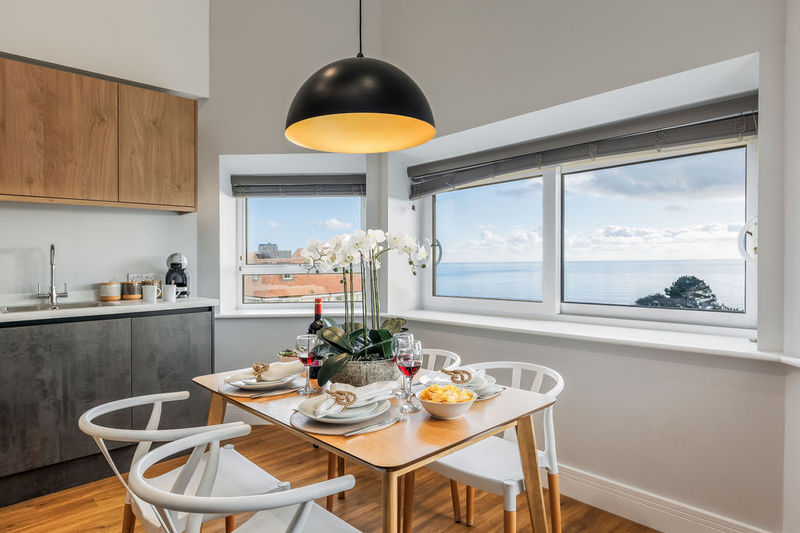
Serviced Apartments: How Much Space Compared With a Hotel Room
Booking a serviced apartment for the first time? Compare layouts, usable space and privacy with a hotel room, and choose what suits your group and stay.

On this page
The biggest difference between a serviced apartment and a hotel room is often the layout, not simply the floor area. If you’re booking a serviced apartment for the first time, expect the possibility of separate living and sleeping areas, plus a kitchen, rather than one room arranged mainly around a bed.
It’s reasonable to want a clear sense of the space before choosing, especially when travelling with family, friends or colleagues. The right layout gives people room to relax together while offering some privacy, but a studio and a larger apartment suit different needs.
This guide explains how apartment space compares with a hotel room, what to look for in layouts for different group sizes, and how your dates and destination can affect availability. It also covers how serviced apartments can suit short breaks and longer stays, helping you weigh extra living space against the style of stay you prefer.
Key takeaways
- Compare the usable layout, not just the floor area: separate living and sleeping spaces can change how comfortable a stay feels.
- Match the apartment layout to your group, balancing shared space with privacy and practical needs.
- Consider how your destination and travel dates may affect which apartment layouts are available.
- Weigh the independence of a serviced apartment against the hotel-style services and routine that may suit your stay.
- Think about how you’ll use the space, including whether you need a kitchen, dining area or room to work.
What Does Serviced Accommodation Mean?
Serviced accommodation is furnished lodging for short breaks or extended stays, with a self-contained space to use throughout your visit. Unlike a standard hotel room, an apartment can include a kitchen and separate living area. An aparthotel combines apartment-style space with some hotel-style services, offering a different balance of independence and assistance.
When booking a serviced apartment for the first time, start by matching the accommodation to the trip’s length, group and practical needs. A family may need separate bedrooms and space to eat together. Someone on a two-week project may prioritise a useful work area and convenient access to the site. A person relocating for several months may value a furnished base with room to settle in.
Length helps shape the choice. An extended work assignment, for example, can sit between a conventional tenancy and a hotel stay. For a short break, an aparthotel may offer apartment-style space without a long rental arrangement. Destination, dates, guest numbers and preferred bedroom layout all help determine what fits.
- Families: a separate bedroom and dining space can make shared days easier to manage.
- Business trips: a workspace and reliable Wi-Fi can support work between meetings.
- Contractors or relocations: a furnished apartment can provide a practical base for a project or move.
Self-catering changes how guests organise meals. A kitchen lets a family prepare breakfast or cook after a day out, rather than relying on restaurants for every meal. That can help manage food spending, although any savings depend on what guests buy and how often they cook. Compare the overall cost of accommodation and meals, not just the nightly rate.
Accommodation costs depend on the length of stay, destination, dates and apartment size. A hotel room may suit a brief visit when guests mainly need somewhere to sleep. An apartment can provide more useful living space for a longer visit, but its value depends on the group’s plans, preferred facilities and daily routine.
There is no single UK-wide deposit or extra-fee amount for serviced accommodation. Booking terms should set out any deposit, additional charges, payment dates and cancellation conditions before the reservation is finalised. Visit Wales advises that cancellation policies should be disclosed at booking, including credit-card charges for cancellations or changes.
Service levels vary by property. Some apartments include housekeeping, while others provide it weekly rather than daily; some have a 24-hour reception, while many offer self check-in. The booking details explain the arrangement, helping guests compare services with hotel staff assistance and choose a stay that suits their routine.
How much space will I get in a serviced apartment compared with a hotel room?
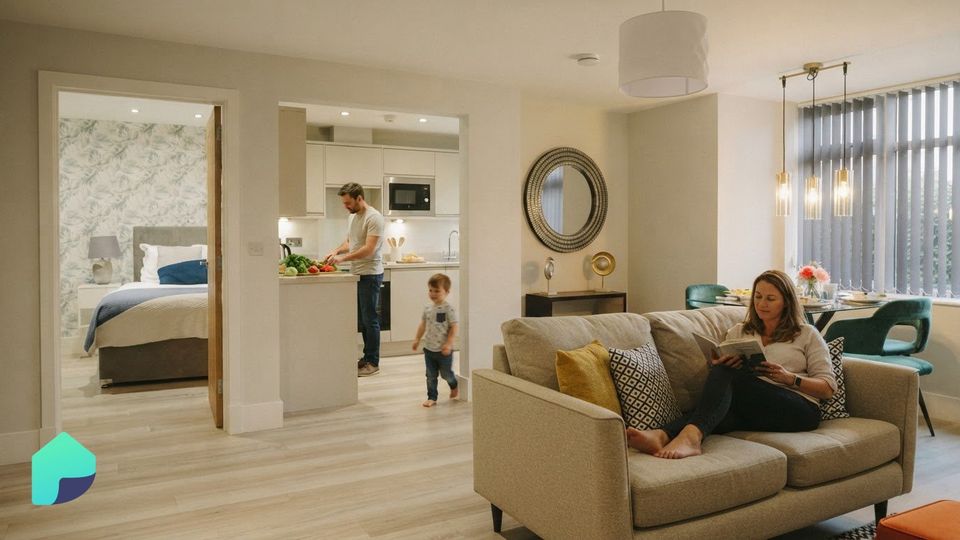
A serviced apartment usually gives you separate areas for sleeping, relaxing and preparing food. A typical UK apartment has a bedroom, living area, fully equipped kitchen and private bathroom. A hotel room often combines sleeping and seating space in one room, so the layout can matter as much as the floor area.
There’s no single size for every hotel room or apartment. A studio keeps the bed, seating and kitchen facilities in one open space; a one-bedroom apartment separates the sleeping area from the living space. How well the space is arranged matters too. For example, a separate bedroom lets one guest rest while another uses the living area, even if both apartments have similar floor areas.
House rules differ by property. Booking terms set out permitted guest numbers, visitor arrangements, smoking rules and any pet policy. These conditions affect how guests can use the space, particularly if a group expects visitors or needs accommodation for an animal. Terms may also distinguish ordinary visitors from gatherings, which can face separate restrictions.
Cancellation, refund and change policies also vary by booking. The terms explain which charges apply and what happens if dates change or a stay is cancelled. Visit Wales says cancellation conditions, including credit-card charges for cancellations or changes, should be disclosed at booking; booking terms and conditions are a useful place to understand the rules that apply.
Facilities shape how an apartment works compared with a hotel room. A kitchen and dining area let guests prepare meals and eat in, while a separate living area provides somewhere to sit outside the bedroom. Housekeeping and reception arrangements vary, so compare included services as well as the rooms. For a longer stay, distinct areas can make working, eating and relaxing easier to organise.
- Hotel room: sleeping and seating may share one room, with hotel services forming part of the stay.
- Studio apartment: sleeping, living and kitchen areas share an open-plan layout.
- One-bedroom apartment: a separate bedroom gives guests distinct spaces for sleeping and relaxing.
A serviced apartment also differs from a standard rental. It offers furnished, self-contained accommodation for a stay, rather than simply a room in someone else’s home. Compared with a longer-term rental, it can suit visitors who want ready-to-use living space without arranging furniture themselves. The rental terms and included services determine what guests receive.
For business travellers, a living area can provide space to work away from the bed. Families may value a kitchen and dining space for meals together. A hotel room can still suit a brief visit when guests mainly need somewhere to sleep. The useful comparison is how each layout supports your daily routine.
When a provider matches accommodation to a booking, the main considerations are destination, dates, guest numbers and required facilities. A family may need separate sleeping space, while a couple on a short break may prefer a studio. Those details help narrow the choice between hotel rooms, studios and serviced apartment layouts, based on how the guests intend to use each area.
Checking occupancy and seasonal demand
Availability depends on the destination, dates, apartment size and guest numbers. Providers use these details to match a booking with suitable accommodation and check whether it is available for the whole stay. A family needing separate bedrooms has fewer suitable options than a couple considering a studio. A short stay may also fit dates that cannot accommodate a longer booking.
Demand follows the local calendar. School holidays, bank holiday weekends and major events can bring more visitors to a destination, reducing the choice of apartments on particular dates. Providers assess requested dates against existing bookings and the group’s requirements. Travellers with fixed dates may have fewer options than those who can adjust their arrival or departure.
Occupancy affects what remains available, not a property’s quality. Providers consider whether an apartment is booked during any part of the requested stay, alongside its layout and location. Cleaning and housekeeping need to be arranged between guests. For a holiday spanning a busy weekend, the exact arrival and departure dates can shape which properties fit.
Booking details help the provider assess the match. Useful information includes destination, dates, guest numbers and requirements such as bedrooms, workspace or kitchen facilities. A business traveller may prioritise a work area; a family may need distinct sleeping spaces. Sharing these needs at the outset helps narrow the search to suitable serviced accommodation.
Arrival arrangements differ between properties. Many serviced apartments in the UK offer self check-in, while others use reception or another arrival process. Each property sets its own check-in and check-out times. Arrival instructions should explain how to access the apartment and when to leave.
Self check-in can make arrival more flexible when travel times vary, but it depends on clear instructions. Check how access details are provided and what to do if your plans change. Hotels may offer staff assistance, while an apartment’s arrival process depends on its own arrangements. If a train is delayed, clear access instructions are particularly useful.
A legitimate listing gives consistent information about the property, operator, booking terms, payment arrangements and cancellation policy. You should receive written confirmation showing the accommodation and dates booked, rather than relying only on informal messages. Clear terms explain how changes, refunds and cancellations are handled.
If there’s a problem with the apartment or check-in, the booking information should identify the support contact and explain how to report it. For example, a guest who cannot access the apartment needs instructions for reaching the responsible team, not just a general arrival time. Clear reporting details help get the issue to the right person.
- Dates: school holidays, bank holidays and local events can affect availability.
- Guest needs: group size and required facilities shape suitable options.
- Arrival: access instructions and support arrangements vary by property.
Are serviced apartments suitable for families and large groups?
For families and groups, ask whether the layout gives everyone enough room to sleep, eat and unwind. A provider can match properties by traveller numbers, bedrooms required, dates and destination. For example, a family sharing a week in Bournemouth may prioritise separate sleeping areas and a kitchen, while colleagues on a work trip may need space to work as well as rest.
Group size alone doesn’t determine the right apartment. Consider how guests will use it: whether children need an earlier bedtime, whether adults want separate bedrooms, and whether everyone plans to eat in. These details help distinguish an open-plan studio from a property with a separate bedroom and living area, without assuming one layout suits every family.
Location matters as much as the floor plan. In Bournemouth, a family planning beach days may favour easy access to the seafront; travellers visiting relatives elsewhere may prioritise transport links. A group attending an event should consider the venue and journey, while a family staying longer may value nearby shops and everyday amenities.
Stay length changes what feels practical. A few nights for a family holiday may call for straightforward sleeping and meal arrangements. For a longer relocation or visit, a stay of one to six months can make a kitchen, laundry facilities and room to settle in more useful. Some serviced apartment operators offer discounts for stays of at least 7 nights and again at 28 nights, although the arrangement depends on the booking.
For larger groups, one spacious property isn’t automatically the simplest answer. The number of bedrooms, shared living space and sleeping arrangements all affect comfort. A provider can weigh these requirements against properties available for your dates and distinguish between one apartment and separate accommodation for different parts of the group.
A practical match considers the following needs together, rather than choosing on bedroom count alone:
- Sleeping: number of travellers, bedroom requirements and preferred privacy.
- Daily routine: kitchen, dining space and laundry needs, especially on extended stays.
- Location: proximity to the beach, transport, family or a planned event in Bournemouth.
- Length: a short holiday, a stay of at least 7 nights, or a longer relocation.
Self-catering apartments can suit families who want to prepare meals and keep their own routine. For longer stays, laundry and a separate living area can make day-to-day life more practical. A good recommendation connects the amenities with the group’s plans, rather than assuming every family or large party needs the same setup.
Once the group’s dates, destination and requirements are clear, a provider can narrow the options by layout and location. A family visiting Bournemouth for a beach break and a group relocating for work may need very different properties, even with the same number of guests.
Serviced apartment layouts and living space
A floor plan shows how rooms connect, while photographs help illustrate how the space looks. Read both together to judge whether the layout suits your plans.
Apartment Layout and Usable Space
Usable space is the area guests can comfortably use for sleeping, sitting, moving around and storing belongings. A floor plan shows whether these activities have distinct areas or share the same space. In an open-plan studio, for example, the bed and seating are together, while a separate bedroom divides sleeping from daytime activity.
Look at the route between rooms as well as their labels. A table near the kitchen can make meals convenient, while a living area separate from the sleeping space gives guests another place to spend time. If guests have different daily routines, room separation may matter more than the number of rooms.
Kitchen Equipment and Dining Space
A kitchen is the area for preparing food, and its equipment determines what meals guests can make. Serviced apartments commonly provide appliances and cooking utensils, alongside somewhere to dine. These features support different plans, from making breakfast before heading out to preparing a simple evening meal after a full day away.
Dining space has practical uses beyond meals. A table can provide somewhere to organise plans, sort belongings or sit with a laptop. In a compact layout, dining and living activities may share an area; in another apartment, they may be more separate. Consider how often guests expect to eat in and whether everyone needs to sit together.
Space and Layout Considerations
Space and layout describe both the room available and how it supports everyday activities. Two apartments with similar room labels can feel different if one gives guests more separation between sleeping, cooking and relaxing. Think about your routine to identify what matters most, whether that is a quiet place to sleep or an open area for spending time together.
During a relocation, guests may use the apartment throughout the day, so a balance of living, dining and sleeping areas can be especially practical. For a short visit, the priority may instead be a comfortable bed and somewhere to sit. Consider the whole group's routine, then weigh the floor plan against the kitchen and dining facilities. A layout is useful when its spaces work for the way you plan to stay.
Next, think about how you will use the space from morning to evening. A work trip, family visit and city break place different demands on an apartment, so let your daily routine guide your choice. If you are booking a serviced apartment for the first time, a clear idea of your group, dates and priorities makes the options easier to compare.
For your next trip, Flexiestays Bournemouth offers a range of properties nationwide, including Tower House Apartments Hotel, Cliff Heights Apartments Hotel and Cliff Manor Apartments Hotel. Each gives you a place to start when considering an apartment stay, with a suitable fit shaped by your plans and preferred location.
Once you have a sense of what matters most, you can discuss your upcoming stay with the Flexiestays Bournemouth team and find a suitable starting point for your visit. A little clarity now can help your time away feel more settled from the moment you arrive.
Frequently asked questions
A studio combines sleeping, living and cooking areas in one open-plan room; a one-bedroom apartment separates the bedroom from the living space. Properties with two, three or four bedrooms provide more separate sleeping rooms, which can suit families or groups wanting privacy. Bedroom count doesn’t describe the whole layout, though. A floor plan also shows how guests share bathrooms, dining space and common areas.
Housekeeping arrangements vary by property and booking type, so cleaning isn’t automatically included in the same way everywhere. Some serviced apartments provide cleaning during a stay, while others arrange it less often than hotels. For a longer booking, the service schedule can affect comfort and value. Read the booking details to see what cleaning covers, when it takes place and whether fresh linen is provided.
A separate living and dining area can make it easier to host a visitor without keeping everyone in the bedroom. An apartment’s guest limit and house rules still apply, however. A quiet catch-up over coffee, for example, differs from hosting a larger gathering. Check the booking terms for visitor restrictions, noise expectations and permitted occupancy, then choose a layout with enough shared space for your plans.
A serviced apartment is furnished, self-contained accommodation for short stays or longer visits. It usually gives guests private living space, rather than just a bedroom, and may include a kitchen, seating area, Wi-Fi and housekeeping. Facilities and services differ by property and length of stay. A kitchen, for instance, is useful for preparing meals, while housekeeping arrangements determine how cleaning is handled.
A serviced apartment combines private, apartment-style space with some hotel-style services. Compared with a hotel room, it may offer separate living space and cooking facilities; unlike a standard holiday let, it may include services such as housekeeping. The distinction varies between properties. A hotel may suit a short visit focused on sleeping and staff assistance, while an apartment can suit guests who want room to cook or settle in.
There isn’t one UK-wide nightly or weekly rate. The price depends on the destination, dates, apartment size, guest numbers and length of stay, with a quote given after a request. A larger layout or busy travel dates can affect the total, as can the services included. Compare the full booking cost and terms for the stay, rather than judging options by a nightly figure alone.
Share your destination, arrival and departure dates, number of guests and preferred bedroom arrangement. Then explain practical needs, such as a workspace, kitchen access or room for a child’s travel cot. If your plans involve a relocation or work assignment, the expected stay length helps a provider assess suitable options. Clear priorities make it easier to separate essential requirements from preferences.
For someone booking a serviced apartment for the first time, a provider uses the trip details and accommodation priorities to identify a suitable option. The booking process then sets out the chosen dates, payment terms and property arrangements. Flexiestays offers short-term and long-term stays, with a 25% deposit option to secure a booking. Guests receive self-check-in for a more independent arrival.