Remote Work Accommodation: The Professional Guide to UK Work-Stays
Choose reliable remote work accommodation in the UK. Check Wi-Fi speeds, monthly utility costs, workspace setups, and rental terms before you book a work-stay.


On this page
What if the desk in your room looks fine, but the Wi-Fi drops halfway through a client call? For remote work accommodation, a spare table and a password aren’t enough. Your stay needs to support a full working day, as well as the chance to enjoy the coast once you log off.
If you’ve struggled with cramped hotel desks, unclear extra charges or rental terms that don’t suit a stay of less than six months, you’re right to look beyond the headline rate. The details matter: a dedicated workspace, reliable broadband, transparent bills and check-in arrangements that fit around your schedule can make the difference between working comfortably and constantly improvising.
This guide explains how to identify, compare and secure a suitable work-stay in the UK. You’ll learn what to check about Wi-Fi and workspace, how to clarify the full cost before booking, and which agreement details to confirm for a shorter stay. The aim is straightforward: a productive base with coastal comfort, and fewer surprises along the way.

Key takeaways
- Assess remote work accommodation by how well it supports a working routine, not simply by whether it offers a place to sleep.
- Compare serviced apartments with hotel rooms for space and the flexibility of having a fully equipped kitchen.
- For stays of 28 nights or more, check the monthly rate and confirm which utility bills and other costs are included.
- Review the booking terms and check-in arrangements before committing, particularly for a stay lasting several weeks or months.
- Choose a setting that supports focused work during the day and gives you room to unwind after hours.
Defining Remote Work Accommodation in the Modern UK Market
Remote work accommodation is more than somewhere to sleep between meetings. It’s a residential space set up to support a normal working day, with dependable connectivity, a practical place to work and enough separation between work and rest. The distinction between a holiday let and a work-stay is less about how the property is described and more about whether its facilities are suitable for regular professional use.
Remote work can take different forms, from occasional home-working to a fully remote role. For a guest working away from home, the physical setting matters: a laptop-friendly workspace and stable internet can be more useful than tourist extras that make little difference during a day of calls. Ask specific questions before booking, such as where you’ll work and what you can expect from the internet connection.
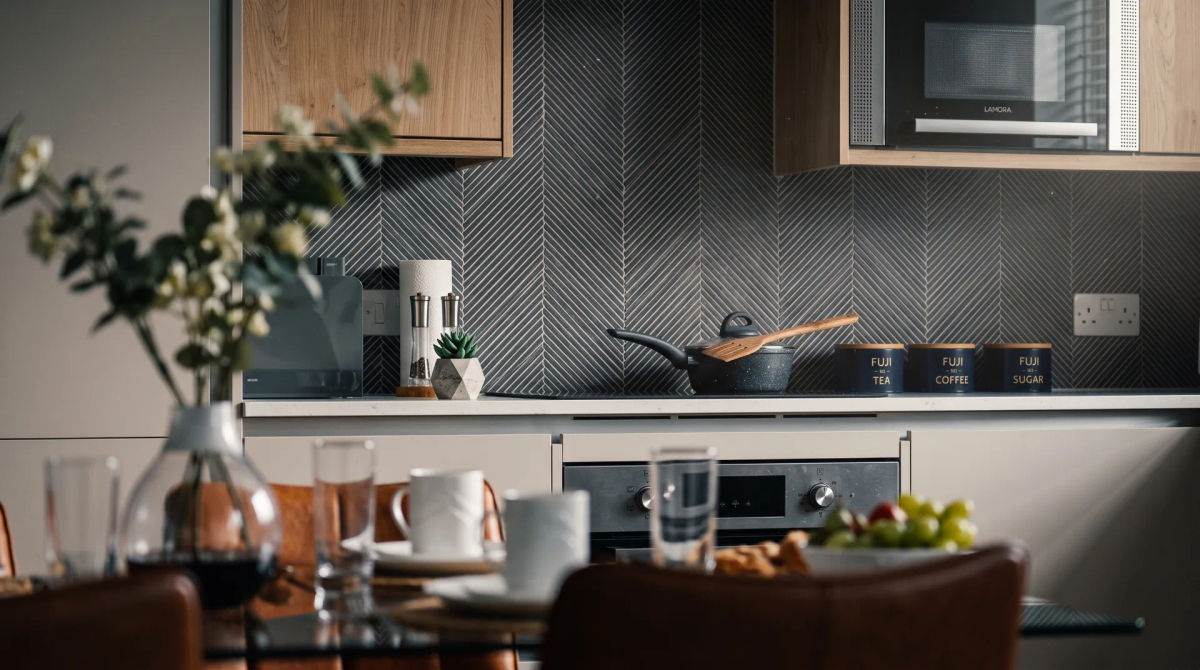
The Evolution of the Digital Nomad Base
A standard hotel room can work for a short visit, but a small desk or a lack of space to prepare meals may become tiresome over a longer stay. An aparthotel offers a middle ground, combining furnished accommodation with features associated with a serviced stay. A self-contained kitchen can help you keep familiar meal times and routines, rather than relying on eating out after work. That everyday flexibility can make it easier to switch off at the end of the day.
Serviced Residences vs Standard Holiday Rentals
Service levels vary, so don’t assume that every rental includes regular cleaning, on-site help or a consistent internet setup. Ask what support is available, how cleaning is arranged and whether the broadband connection is suitable for video calls. Fibre broadband is a useful feature to look for, but confirm what is provided at the specific property rather than relying on a general description.
Pricing deserves the same careful check. An all-inclusive rate can reduce the admin involved in a longer stay, but inclusions differ between providers. Confirm whether the quoted amount covers utilities and council tax, and ask whether any other charges apply. For stays of 28 nights or more, monthly rates may be available; check the terms and included bills before comparing them with shorter-stay pricing.
Professional management can make expectations clearer, particularly if support arrangements, cleaning and internet provision are described before arrival. The aim is not simply to find a place with a Wi-Fi password. It’s to choose a work-stay whose practical details are clear enough for you to settle in and get on with your job.

The Essential Productivity Checklist for Professional Stays
A productive stay depends on details you may not notice until the first workday: a stable connection, a proper desk, accessible power and a room that’s comfortable for more than an overnight visit. The UK flexible working rights guidance explains the formal process for requesting flexible working. If your role takes you away from home, the accommodation still needs to make focused work practical.
Technical Infrastructure and Connectivity
“High-speed Wi-Fi” is a broad claim. Look for fibre broadband, then ask about the connection at the property and whether it can reliably support video calls, file uploads and several connected devices. A dedicated laptop-friendly workspace is more useful than a dining table pressed into service: check the desk size, chair and position of nearby sockets. Multiple charging points mean fewer workarounds when your laptop, phone and other devices need power.
A smart TV can be useful for reviewing a presentation or sharing a screen, but features vary. Check whether its apps and screen-mirroring options work with your devices rather than assuming they will. Self-check-in can also suit a busy travel day, provided the arrival instructions are clear and you know who to contact if something goes wrong.
Ergonomics and Physical Environment
Comfort affects the whole working week, not just the hours at your desk. Check that the workspace lets you sit with a comfortable posture, and that there’s enough room to step away from it at the end of the day. Natural light can make a work area more pleasant, while reliable heating matters during a longer stay. If bed size is important to your rest, confirm the exact specification before booking.
Movement matters too. On-site gym access can make it easier to build activity into a day otherwise spent sitting at a screen. If you’re travelling by car, confirm whether parking is on-site, included and suitable for your needs, rather than leaving it until arrival.
- Connection: Ask whether the property has fibre broadband and how to verify its performance.
- Workspace: Check for a dedicated desk, a suitable chair and nearby sockets.
- Practicalities: Confirm TV compatibility, arrival arrangements, heating, bed details and parking.
- Wellbeing: Find out whether gym access is available and included in your stay.
These checks help separate a place that simply has Wi-Fi from remote work accommodation designed around a working routine. If you need clarification on workspace or connectivity before choosing a stay, ask about work-stay facilities.
Comparing Serviced Apartments and Traditional Hotel Stays
A hotel room can suit a short business trip, but its layout may feel restrictive when it becomes your office for several days. For remote work accommodation, compare how the space functions across a full week, not just how it looks on arrival. A serviced apartment typically combines separate living and sleeping areas with a kitchen, while a traditional hotel stay is generally centred on a bedroom and bathroom. Check the actual floor plan and facilities, as layouts vary between properties.
Space and Functional Zoning
Separate areas give you a practical way to mark the end of the working day. You can leave your laptop at a desk in the living space rather than working beside the bed, then use the bedroom for rest. A kitchen also makes it easier to prepare meals around your schedule. Ask whether the apartment includes the cooking equipment you expect to use, and check bathroom details, such as shower type, if they matter to your morning routine.
Some aparthotels also offer shared work stations or leisure areas. These can provide a change of scene or a chance to work around other people, though they’re not a substitute for a private, reliable workspace when a call needs focus. Check whether these facilities are available and how they can be used during your stay.
The Hidden Costs of Hotel Living
The nightly rate is only part of the comparison. Over a longer stay, add up the costs and practicalities of meals, laundry and parking. A fully equipped kitchen can give you the option to cook instead of eating out every evening. An in-unit washing machine may be useful for stays of a week or more, but don’t assume every apartment has one. Confirm the laundry arrangements before you book.
Likewise, check whether parking is available, whether it’s on-site and whether a charge applies. Free on-site parking is a stated feature of some serviced accommodation, but availability can differ by property. Ask for the details rather than building an assumed saving into your budget.
There’s a less obvious consideration, too: the feeling of being able to settle into a routine. A separate living area, somewhere to prepare food and access to local support can make a longer work-stay feel less like an extended hotel visit. Serviced accommodation may offer professional support, but confirm the hours and arrangements for the specific property. Compare the whole package, including workspace, kitchen, laundry, support and bills, before deciding which option suits your work and travel plans.
Navigating the Financial and Practical Advantages of Long-term Stays
For a project that runs over several weeks, compare the total cost and admin involved, not just the nightly rate. Stays of 28 nights or more may qualify for a monthly rate, and some serviced stays include utility bills and council tax. Terms differ between providers, so ask for a written breakdown before committing. That makes it easier to compare like with like and plan a remote work accommodation budget without assuming that every bill is covered.
Flexibility Without the Red Tape
A fixed residential tenancy may not suit a role with a defined project end date or an uncertain extension. Serviced stays can offer a different arrangement, but don’t assume that every booking has the same terms or can be extended automatically. Before confirming, check the agreement’s length, notice requirements, extension process, payment schedule and any charges that could apply if dates change.
Also clarify what paperwork is required. Agreement type, deposits and guarantor requirements depend on the provider and arrangement, so get the details in writing rather than relying on a general description of a “work-stay”. For a stay of 28 nights or more, ask whether the quoted monthly rate includes electricity, gas, water and council tax, and whether any other costs remain your responsibility.
Corporate Accounts and VAT Benefits
For business travel, clean paperwork matters. Ask whether the provider can issue an invoice with the guest or company name, stay dates, charges and any VAT details clearly shown. A VAT invoice may help with expense records, but whether VAT can be reclaimed depends on the circumstances and applicable tax rules. Check the requirements with your finance team or a qualified adviser before treating an amount as recoverable.
If you’re arranging several apartments, confirm how the provider handles separate guest details, purchase order references, deposits and consolidated or monthly invoicing. These practical points can save time for both the traveller and the accounts team. Don’t assume that a provider offers corporate account management or block booking simply because it offers serviced accommodation.
Booking direct can make it easier to ask questions about rates, bills and invoice formats before you commit. Compare the written quote with other options, including the full stay dates and inclusions. For a long-term booking, request confirmation of the total and payment terms, then check that the agreement matches what your employer needs for approval and expense processing.
Designing the Ideal Environment for Remote Professional Success
A good remote work accommodation should make it easier to keep work and time off distinct. A coastal setting can offer a simple change of pace after the laptop closes, but consider the practicalities too: how you'll get around, where you can pick up essentials and whether the location suits your routine throughout the stay.
Local partnerships can help a temporary base feel less unfamiliar. FlexiePerks connects members with local businesses through discounts at restaurants, cafés, wellness venues and activity providers. Check which benefits are available and whether they fit your plans, rather than treating them as a substitute for the essentials of a comfortable stay.
The Role of Local Knowledge and Support
Before booking, find out how to report a maintenance or connectivity issue, which contact channels are available and when support can be reached. Flexiestays Bournemouth provides 24/7 local support by phone, WhatsApp and email. For any provider, confirm the support arrangements for your specific property so you know what to do if something needs attention.
Arrival and departure details can also make a difference to a busy schedule. Ask whether luggage drop-off is available if you arrive before check-in, and whether a later check-out can be arranged. These options may depend on availability, so get confirmation before planning around them.
Making the Transition Seamless
Self-check-in can remove the need to coordinate your arrival around a reception desk. Check when access begins, how instructions will be sent and who to contact if you have trouble getting in. Clear arrangements make it easier to travel around work commitments, particularly if your journey time changes.
For a longer booking, review the monthly rate, included bills and extension terms in writing before you commit. To understand the company’s approach to temporary stays, read about Flexiestays Bournemouth, then verify the specific facilities and arrangements for your dates. A little preparation helps you arrive with the practical details settled and make the most of your time away.
Choose a Work-Stay That Works Beyond the Desk
A suitable work-stay should fit the way you’ll work and live, not just your arrival night. Before you decide, make sure the written terms match your plans, including the stay dates, included facilities and arrangements if you need to extend.
If Flexiestays is on your shortlist, confirm the details for your dates and property before booking. Ask about your work-stay options, then choose a base that gives you room to settle into the routine.
Frequently asked questions
Look for practical facilities that support both work and day-to-day living, then confirm the details for your chosen property. Flexiestays apartments include fibre Wi-Fi, a dedicated laptop-friendly workspace, a fully equipped kitchen and a smart TV. Stays of 28 nights or more include utilities, council tax, TV licence, gym access, parking and fortnightly cleaning. Check your booking information to confirm which inclusions apply to your stay.
A specific Wi-Fi speed isn’t confirmed for every apartment. Fibre broadband is provided, but actual speed can vary by property and connection. If your work depends on video calls, large uploads or other demanding tasks, ask about the connection for your chosen stay before booking. It’s also sensible to check how to report a problem and what support is available if the internet stops working.
VAT invoicing is available for corporate bookings. Confirm the company billing details and any purchase order reference before the booking is finalised, so the invoice can meet your organisation’s requirements. Whether VAT can be reclaimed depends on your circumstances and the applicable tax rules. Check with your finance team or a qualified adviser rather than assuming an invoice means the VAT can be recovered.
The minimum stay is typically two nights, or three nights on peak weekends and holidays. There’s no maximum stay length stated, and bookings of 28 nights or more qualify for monthly rates. If your project dates may change, check the agreement’s cancellation and extension terms before confirming. Verify the minimum and rate for your dates, as requirements can vary with the booking period.
For stays of 28 nights or more, council tax is included in the all-inclusive rate, alongside stated utilities and other inclusions. Guests aren’t expected to arrange a separate council tax bill under those terms. Check the written quote or booking confirmation to see exactly what your rate covers, particularly if you’re comparing different stay lengths or accommodation providers.
Parking terms vary by property and provider, so confirm them before booking. The apartments described in this guide include free on-site parking, with one bay per bedroom and no daily fee. Check that this applies to your chosen apartment and dates, and ask about access arrangements if you’ll be arriving by car. Don’t assume parking is included elsewhere without seeing it in the booking terms.
Booking direct can save approximately 15% compared with third-party platforms, though the saving is approximate. Check the total for your dates and compare equivalent stay lengths, terms and inclusions. Booking direct also lets you confirm practical details with the accommodation provider before committing. The final amount can vary, so rely on the quote shown for your specific booking rather than an assumed saving.
No guarantor is required for the long-term stays described here. Requirements can differ between providers and types of accommodation, so confirm the terms for your specific booking. Ask what identification or payment information you’ll need to provide, and review the agreement, cancellation terms and process for extending your stay. Having those details in writing makes it easier to plan a monthly booking with confidence.