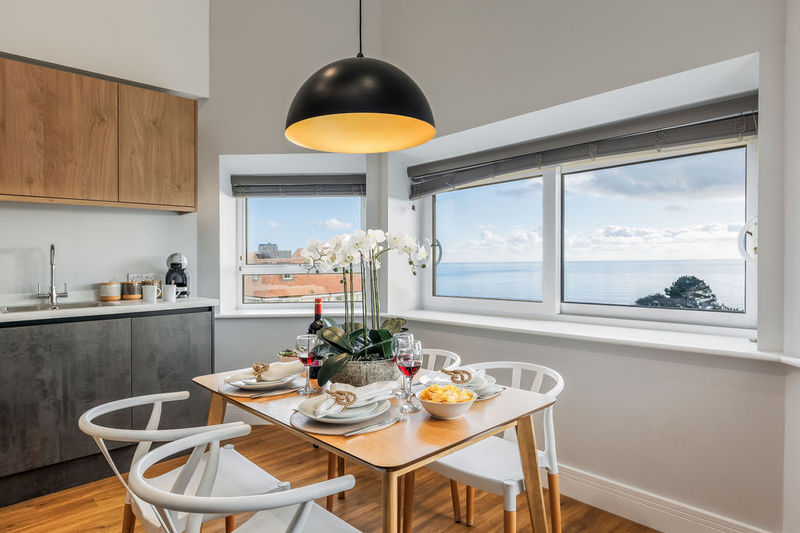
Serviced Apartment vs Holiday Let: Costs and Stay Lengths
Compare serviced apartment vs holiday let uk by stay length, costs and included services, with practical tips for short breaks, work trips and longer stays.


On this page
The same self-catering setup might suit a weekend break but feel less practical for a month away. When comparing a serviced apartment versus a holiday let in the UK, start with how long you’re staying and what you need day to day, not just how the accommodation looks.
Both serviced apartments and holiday lets can offer a place to stay with room to cook and unwind. Management and services can differ, though, so the accommodation label alone may not tell you what to expect.
This guide explains how the options differ, what typical stay lengths mean in practice, and how location, budget and included services affect the overall cost. Whether you’re planning a short break, work trip or longer stay, you’ll get a clearer idea of which accommodation suits your plans and why the nightly rate may not tell the whole story.
Key takeaways
- In England, the Valuation Office Agency’s business-rates criteria include availability for at least 140 nights and actual letting for at least 70 nights in the previous 12 months.
- Stay length helps narrow the choice: holiday lets often suit shorter visits, while serviced apartments can accommodate stays from one night to several months.
- Look beyond the nightly rate. Location, length of stay and what you need during the visit all affect which option makes practical sense.
- Compare the day-to-day details too, such as kitchen facilities, housekeeping, check-in arrangements and the level of guest support.
- A booking platform is where you reserve accommodation, while a holiday let or serviced apartment describes the type of accommodation; understanding that distinction can make your comparison clearer.
Holiday Let Business-Rates Thresholds in England
Business rates valuation depends on letting activity, not simply whether a property is called a holiday let. The Valuation Office Agency sets the relevant thresholds for England.
Serviced accommodation features
Serviced accommodation is furnished, professionally managed lodging for short, medium or long stays. In the UK, stays can range from one night to several months, making it an option when plans extend beyond a conventional break. A living area, kitchen and space to work can make a longer visit more practical than a room-only booking.
Housekeeping and guest support may also be included, although arrangements vary. On a work trip lasting several weeks, regular cleaning and help with day-to-day issues may matter as much as the nightly rate. These services help distinguish the purpose and management of serviced accommodation from a self-catering holiday let.
Holiday let and serviced accommodation differences
A holiday let gives guests exclusive use of an entire property. Serviced accommodation, by contrast, is defined more by its furnished, professionally managed setup and suitability for different stay lengths. The terms can overlap, but they do not describe precisely the same purpose. The practical question is whether the property and its services suit the length and routine of your visit.
Business-rates criteria are separate from guest-facing differences. In England, short-term commercial self-catering lets must be for stays of 28 nights or less under the stated criteria. The Valuation Office Agency says accommodation must be available for at least 140 nights in the previous 12 months and actually let for at least 70 nights in the previous 12 months to qualify for business-rates valuation.
Wales has different thresholds. Self-catering accommodation must be available to let for at least 252 nights in the previous 12 months, and, according to the Valuation Office Agency, actually let for at least 182 nights in the previous 12 months. Those figures concern business-rates valuation, not a general rule about how long a guest may stay.
VAT, cancellation terms and consumer rights
UK holiday accommodation suppliers must register for VAT when they cross the £90,000 threshold. Business rates and VAT are separate matters: meeting a business-rates test does not, by itself, determine VAT registration. The type of accommodation and income can affect which obligations apply, so the two thresholds should not be treated as interchangeable.
Cancellation policies and deposits depend on the booking terms, not on a universal distinction between serviced apartments and holiday lets. The terms explain the consequences of cancelling and how a deposit is handled. Consumer rights depend on the booking and its circumstances. Read the relevant terms before committing, especially for a longer stay or fixed dates.
Safety, insurance and property restrictions
There is no single safety or insurance checklist based solely on whether accommodation is called a serviced apartment or holiday let. Requirements depend on the property and how it is used. Owners also need insurance suited to the actual letting purpose, rather than assuming cover for another use will apply.
Lease terms, title restrictions and landlord or lender conditions can affect short-term letting. Some lender criteria may exclude properties with title restrictions that do not permit assured shorthold tenancies of 12 months or more. This matters before a property is used commercially: its intended letting pattern must fit the restrictions attached to it.
Short-term let definitions and typical stay lengths
“Short-term let” can describe different arrangements, from a brief holiday to a temporary base for work. When comparing options, consider the stay length, purpose and rules that apply to the property.
Short-term let definitions and duration
In the UK, a short-term let is described as a residential property rented for less than six months. This broad definition covers different arrangements, so the label alone does not explain how a booking works. A furnished property used during a work assignment, for example, serves a different purpose from holiday accommodation.
In Greater London, residential premises may generally be used as temporary sleeping accommodation for up to 90 nights in a calendar year without that use being treated as a material change, if statutory conditions are met. This is a London planning provision, not a UK-wide limit. Elsewhere in England, there is no national rule automatically requiring planning permission after a particular number of nights.
Duration can also affect the type of letting. A booking for a few days, a term let for a work placement and a rental lasting several months may meet different practical needs. The guest’s intended residence during the stay and the property’s use help explain the differences.
Typical stay lengths
Holiday lets in the UK may be rented for a few days to three weeks. Serviced accommodation can cover a wider range, from one night to several months. A short break and a work assignment therefore call for different practical considerations, even when both involve furnished accommodation.
These are typical patterns, not fixed booking limits. Serviced accommodation can suit short and longer stays, while holiday accommodation may also be used for business travel. The actual dates depend on the property’s letting arrangements and the guest’s plans.
Affordability assessments can differ from a guest’s comparison of nightly costs. Under the lender criteria described for short-term lets, affordability is assessed using a monthly rental figure, on the same basis as a standard buy-to-let. Those criteria allow lets lasting from one day up to a maximum of six months. This concerns lending, not a universal price or booking rule.
England’s registration position also has a specific date. As at 8 September 2026, the national short-term let registration scheme expected in 2026 was not yet in force. Registration is separate from planning rules, and London’s 90-night provision is not a national registration threshold.
For help considering a temporary stay, discuss your short-stay plans.
Serviced apartments compared with holiday rentals
Both options provide private accommodation, but they differ in how stays are managed and supported. For owners, guest demand, operating work and financing can all influence which letting model fits.
Amenities, cleaning and guest services
Serviced apartments are furnished accommodation for short, medium and long stays. They may include kitchens, Wi-Fi, housekeeping and professional maintenance. For someone staying several weeks, cooking facilities and a separate living area can make daily routines easier than in a room designed mainly for sleeping.
A holiday rental gives guests exclusive use of the entire property and can provide an independent stay. Flexible check-in and check-out may suit a leisure trip, while serviced accommodation may include regular housekeeping. Facilities and cleaning arrangements vary, so compare the property details with your plans.
Advantages for property owners
Serviced accommodation can offer flexibility across different stay purposes. A furnished apartment may suit a short visit, a professional working away from home or someone needing a temporary base for longer. Holiday lets can also host business and leisure travellers, not just holiday-makers. This range gives landlords options for matching the letting period to their property.
Businesses may block-book serviced accommodation for staff working away from their usual base. Providers may also offer company invoicing, flexible booking arrangements and multiple apartments for teams. For owners, these arrangements can create opportunities for work-related bookings alongside individual guests. Income still depends on factors such as occupancy, operating costs and the property’s location.
Risks for property owners
Frequent guest turnover means short-term rental properties need regular management. Cleaning, inspections, maintenance and booking administration all take time between stays. Owners managing a holiday rental themselves handle these tasks; professional management changes who does the work, but the property still needs upkeep.
Financing can also affect the choice. One lender does not currently lend on serviced accommodation, while lender criteria may distinguish between letting an entire property and letting individual rooms to multiple parties. Mortgage terms, title restrictions and the proposed rental pattern can therefore shape an owner’s options. Weigh these practical constraints alongside expected guest demand.
A furnished flat near a major employment centre, for example, may suit a professional on a temporary assignment. A larger property may appeal to guests seeking a shared leisure stay. Neither model removes the need to plan for quieter booking periods, guest changeovers and maintenance. The right fit depends on the property, likely guests and the owner’s capacity to manage the work.
Choosing by location and budget
Location shapes both the experience and the overall cost. An apartment near the seafront may suit a coastal break, while accommodation near a town centre may work better for someone attending meetings.
There is no single typical nightly or weekly price for serviced apartments and holiday lets in the UK. The amount depends on location, dates, property size, stay length and included services. Seasonal demand can also affect the total. Compare the full booking cost for the same dates and guest numbers, not just the displayed nightly rate.
Consider the journeys you’ll make each day. If you’re planning beach visits, you may value accommodation close to the coast. For meetings, a shorter journey to work may matter more. Transport, parking and the distance to planned activities all affect the practical value of a location.
Budget also depends on how you’ll use the property. A self-catering apartment with a kitchen lets guests prepare meals, particularly during term lets or longer stays. A holiday rental with separate living space may suit a family spending more time together indoors. These features are most useful when they match your group’s plans and daily routine.
For a fair comparison, weigh up the whole stay rather than one attractive feature. Consider:
- Dates and duration: a weekend booking and an extended stay may have different pricing structures.
- Location: compare the value of the seafront, town centre and quieter residential areas against your itinerary.
- Facilities: kitchens, laundry facilities and work space can matter more for longer visits.
- Included services: cleaning and guest support affect what the booking provides.
A couple on a short leisure break, for example, may prioritise a location near the beach. Someone on a work placement may prefer a furnished base with cooking facilities and access to their workplace. In either case, the lowest nightly rate may not be the most suitable overall booking.
For term lets, stay length and routine become especially important. A central location can be convenient, but regular travel, catering needs and time spent working at the property may make different facilities or a quieter neighbourhood a better fit. Set your priorities first, then compare properties using the same dates, guest numbers and requirements.
To discuss accommodation for your dates and plans, get in touch.
How do serviced apartments and holiday lets compare for amenities, cleaning and guest services?
The difference often comes down to practical details. A kitchen, cleaning schedule and access to guest support can shape an ordinary day as much as the property itself.
Furnishings and facilities
Serviced apartments are typically fully furnished and may include living space, an equipped kitchen, high-speed Wi-Fi and professional maintenance. For someone working remotely during an extended stay, a separate work area can make an apartment more useful than a room designed mainly for sleeping.
Holiday lets give guests exclusive use of the entire property. Facilities vary from home to home: one may have a full kitchen and dining area, while another offers a simpler self-catering setup. For a family planning to cook, kitchen equipment and dining space may matter more than decorative features.
Cleaning during the stay
Serviced accommodation may include regular housekeeping. This can suit a longer booking, when fresh towels or a tidy living space become part of the weekly routine. The property label does not define the service frequency or tasks, so check the booking details for the actual arrangement.
Holiday lets are self-catering accommodation, but cleaning arrangements differ between properties. For a weekend stay, you may mainly need a clean arrival and departure. On a longer visit, cleaning during the stay may matter more. Check what the booking includes, such as linen changes, rubbish arrangements and departure cleaning expectations.
Guest support and maintenance
Serviced accommodation is professionally managed and may include guest support and maintenance. That matters if a Wi-Fi issue interrupts remote work or an appliance stops working during your stay. Support arrangements depend on the provider, so review the advertised service details to understand what to expect.
Holiday lets may offer flexible check-in and check-out, but communication and assistance vary by property. A self-managed home and a professionally managed rental may handle questions differently. If you arrive late, clear access instructions and an easy way to get help are practical details, not minor extras.
Compare the experience across four everyday needs:
- Cooking: check the kitchen equipment against the meals you plan to prepare.
- Working: consider Wi-Fi and whether the layout gives you space to focus.
- Cleaning: look at what happens during the stay, not only at departure.
- Support: understand how maintenance issues and guest questions are handled.
A couple on a short break, for example, might prioritise a well-equipped kitchen and straightforward arrival. Someone staying for work might value reliable Wi-Fi, housekeeping and maintenance support more. Compare the facilities and services with how you’ll actually spend your days.
Choose the stay that fits your plans
Let the shape of your visit guide your choice. Comparing a serviced apartment versus a holiday let in the UK is easier when you start with how you’ll spend your days, not simply the property label. Consider where you need to be, how much time you’ll spend indoors and which everyday comforts will help your stay run smoothly.
For a stay across our locations, Flexiestays Bournemouth offers accommodation including Tower House Apartments Hotel, Cliff Heights Apartments Hotel and Cliff Manor Apartments Hotel. Each gives you a starting point for finding a suitable place to stay, whether you’re visiting for a break or a longer stay.
Before settling on your dates, bring together your preferred location, length of stay and priorities for the space. A clear picture of those details makes it easier to find an option that feels right for your plans. Contact Flexiestays Bournemouth to discuss your stay and take the next step with confidence.
Frequently asked questions
A serviced apartment is furnished accommodation managed for guests who need a temporary place to stay. It may have a separate living space and kitchen, with services such as housekeeping or maintenance. Someone working away from home, for example, may value cooking facilities and a comfortable place to work. The exact facilities and services depend on the property and booking terms.
In England outside Greater London, there is no national rule automatically requiring planning permission for short-term accommodation after a particular number of nights. Within Greater London, temporary sleeping accommodation may generally be used for up to 90 nights in a calendar year without that use being treated as a material change, if statutory conditions are met. Planning permission depends on the use of the property and the relevant rules, not the booking method.
No. The UK Furnished Holiday Let regime was abolished for income tax and capital gains tax from 6 April 2025, and for corporation tax from 1 April 2025. Owners should therefore distinguish current property-income rules from the former regime when reviewing accounts or planning a letting business. For instance, an older tax calculation based on furnished holiday let treatment may no longer describe the current position.
Serviced accommodation gives landlords flexibility to host guests for short, medium or longer stays, including people travelling for work. Businesses may also block-book accommodation for staff working away from their usual base. This can suit a property near an employment hub or project site. The model also involves management tasks, such as guest turnover and maintenance, so landlords should weigh those demands against their intended letting pattern.
A serviced apartment is defined by its furnished setup and professional management, while a holiday let describes self-catering accommodation rented for a temporary stay. The terms can overlap, so a property’s label may not reveal the service it provides. When comparing a serviced apartment versus a holiday let in the UK, focus on who manages the stay, what support is available and whether the space suits your reason for travelling.
There is no single planning or licensing answer that applies uniformly across the UK. In England outside Greater London, no national rule automatically requires planning permission after a set number of nights; London has a separate 90-night provision subject to statutory conditions. Scotland, Wales and Northern Ireland have their own frameworks, so England’s position should not be applied there. Check the relevant nation and local authority requirements for the property.