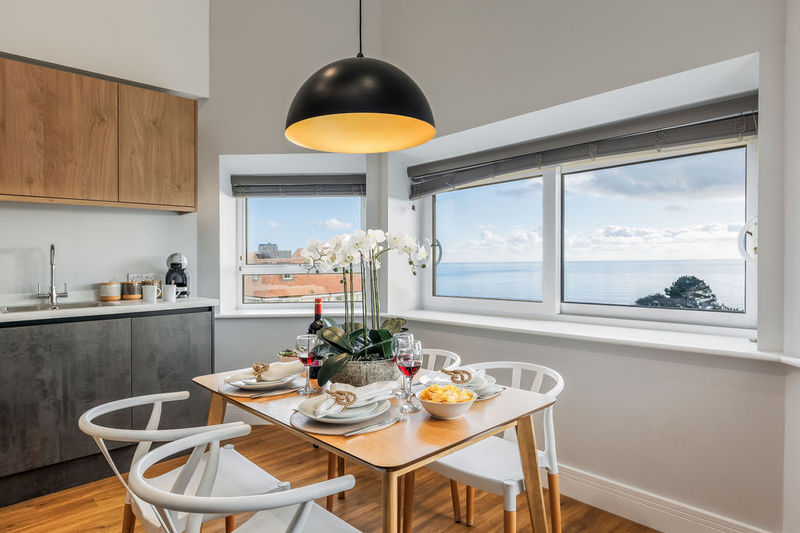
Serviced Apartments for Remote Workers: A UK Buying Guide
Compare serviced apartments for remote workers across the UK. Check Wi-Fi speeds, workspace setups, kitchen facilities and 28-night rates with our local guide.


On this page
A reliable place to work matters as much as a comfortable place to sleep. Serviced apartments for remote workers can offer both, but the workspace, internet, everyday facilities and stay terms need to suit your routine.
When comparing a hotel room, a rental and an apartment, it is not always obvious what is included or how practical each option will feel after a few days. Use this guide to compare the details that affect a working stay, from a private place to work and fibre Wi-Fi to cooking facilities, payment arrangements and support.
Whether you are away for a short project or settling in for several weeks, start with the way you work. Consider how often you take calls, whether you need a separate place to work and how much you expect to cook. Flexiestays Bournemouth apartments include a private laptop-friendly workspace and fibre Wi-Fi, with shared workstations available around the clock at properties or nearby. Stays of 28 nights or more qualify for monthly rates, with utilities and specified services included. The aim is to find a stay that works on weekdays and feels comfortable when the laptop closes.
Key takeaways
- Compare accommodation by how well it supports your whole day, from focused work to cooking and winding down.
- Use a checklist to assess the workspace, Wi-Fi, kitchen facilities, support and fit with your routine.
- Compare serviced apartments for remote workers with hotels and other short-stay rentals, especially for extended stays.
- Factor in booking terms: minimum stays may vary, and stays of 28 nights or more qualify for monthly rates.
- Before choosing, weigh up your work setup, length of stay, included services and the support available.
What remote workers need: serviced apartments for remote workers
A place to sleep is not automatically a place to work comfortably. Serviced apartments for remote workers should make it practical to work, eat and unwind in the same accommodation, with clear information about what is included and how long you can stay.
A serviced apartment is temporary accommodation that combines private living space with included services. It usually offers more room to settle in than a bedroom alone, while the services and booking arrangements depend on the accommodation. The apartment hotel overview explains how this type of stay combines apartment-style living with hotel features.
What makes accommodation suitable for a working day?
Start with the work essentials: a comfortable place to sit with your laptop, internet access and enough separation from the bed to make a full working day manageable. A dedicated desk can help, but focus on whether the work area suits your tasks, whether that means video calls, writing or using more than one device.
For a longer stay, a kitchen makes it easier to prepare meals, while a separate area to relax can help the accommodation feel like somewhere to live, not just sleep. These practical features matter more than optional extras such as a particular view or leisure facilities. Those may make a stay more enjoyable, but they do not replace a suitable workspace or clear information about internet access.
Each Flexiestays apartment has a private laptop-friendly workspace and fibre Wi-Fi, alongside self-catering facilities. It is a useful example of the details to look for when you need accommodation to support your working routine as well as overnight stays.
Who benefits most from a serviced apartment?
Remote employees working away from home, freelancers travelling between projects and people temporarily based elsewhere may all value having a private place to work and live. The right setup depends on the working day. Someone taking regular video calls may prioritise a quiet work area, while a person with a more flexible schedule may put greater weight on kitchen access and space to unwind.
A self-contained apartment can be a practical fit for a stay longer than a typical short break because it brings work and everyday living into one place. Before deciding, separate your essentials from your nice-to-haves, then compare the facilities and terms. A view can be a welcome extra. A workable workspace, internet access and clear arrangements come first.
How to assess workspace, Wi-Fi and everyday comfort
A listing can say Wi-Fi is available without stating a particular speed or guaranteeing how it will perform during your stay. A workspace gives you somewhere to work; connectivity affects whether online tasks run smoothly. Treat them as separate checks, especially if your day includes video calls, shared files or other tasks that rely on a stable connection. Forbes’ overview of remote and hybrid work trends provides wider context for the different ways people arrange their working week.
Use this checklist to match the accommodation to your routine:
- Workspace: Look for a private, laptop-friendly area with room for your computer, charger and notes. A shared workstation can provide another place to work, but it is not the same as having a private spot in your apartment.
- Internet: Check whether Wi-Fi is included and what is stated about the connection. Do not assume that a Wi-Fi listing guarantees a particular speed or performance.
- Kitchen: Consider whether the cooking facilities suit the meals you usually make and how often you want to prepare food during your stay.
- Support: Find out how to get help if a practical issue arises. Local support is available around the clock during a Flexiestays stay.
- Routine and comfort: Compare laundry facilities, space to unwind, heating, a smart TV and provided linens. These can make a longer stay easier to manage, but your work setup and internet needs should come first.
What should a remote-work space include?
Think about your tasks and working hours. A private work area can make it easier to leave your laptop set up between calls, while a shared workstation may offer a change of scene or another place to focus. Consider whether you will have enough room for your work essentials and whether the setup lets you separate work from rest, particularly if you expect to work a full day.
Which everyday amenities support a longer working stay?
Self-catering facilities give you more control over meals, while a comfortable place to relax helps you switch off between work sessions. Fibre Wi-Fi describes the connection type, not a guaranteed speed. When comparing serviced apartments for remote workers, weigh the stated internet provision alongside the private workspace, everyday facilities and support. Then consider optional comforts against the essentials you will rely on each day.
Serviced apartments vs hotels and other short-stay accommodation
For a short trip, a hotel room may provide everything you need. For a working stay, a separate living area and kitchen can make a noticeable difference to your day. Accommodation labels are a useful starting point, but individual properties vary. Compare the actual facilities and terms rather than relying on the type of accommodation alone.
| Factor | Serviced apartment | Conventional hotel | Other short-stay rental |
|---|---|---|---|
| Private living space | Often arranged as a self-contained apartment, with living and sleeping areas. | Usually centred on a guest room; layout varies. | May offer an entire home or a private room, depending on the rental. |
| Cooking facilities | May include a kitchen or kitchenette. | In-room cooking facilities are not standard, though some rooms may have them. | Can range from a full kitchen to no kitchen access. |
| Workspace | May provide a private work area, shared workstations or both. | Work may take place at a desk in the room or in shared areas, if available. | Workspace varies, from a suitable desk to no dedicated work area. |
| Service model | Combines private accommodation with specified services; support and cleaning arrangements vary. | Typically follows a hotel service model, though the services offered differ. | Arrangements are set by the individual rental and may vary. |
| Extended stays | Self-contained facilities can suit longer routines; terms and inclusions vary. | Can work for longer stays, particularly if room facilities meet your needs. | May provide more domestic space, but inclusions and support differ. |
When does a serviced apartment suit remote work better?
A serviced apartment may suit you when both work and daily life need room: you want somewhere to cook, a living area separate from the bed and a private workspace for regular working hours. A hotel-style room can be a sensible choice for a shorter stay or a routine that involves little time indoors. The deciding factors are your tasks, preferred work setup and length of stay, not a rule that one format is always better.
What should you compare beyond the room itself?
Look at the practical arrangements as carefully as the floor plan. A serviced apartment may feel less supported than a hotel if its service model is unclear, but support depends on the operator, not just the label. Compare the stated inclusions for each stay instead of assuming utilities, Wi-Fi or cleaning are covered.
- Utilities and internet: Check which bills and connectivity are included in the quoted terms.
- Cleaning: Note the stated frequency and whether it is part of the arrangement.
- Check-in and support: Compare how you access the accommodation and where help is available during your stay.
These details make the comparison between serviced apartments for remote workers and other stays more useful. Choose the format whose space, facilities and service arrangements fit your working pattern.
How stay length, inclusions and booking terms affect your choice
The length of your stay can affect both the rate structure and what is covered. Stays of 28 nights or more qualify for monthly rates, so compare the included services as well as the headline rate. For shorter bookings, the typical minimum stay is two nights, rising to three nights on peak weekends or holidays.
What is included in a long-term serviced apartment stay?
For long-term stays, the monthly-rate package includes utilities, fibre Wi-Fi, council tax, TV licence, gym access, parking and fortnightly cleaning. Compare those inclusions with the overall accommodation arrangement rather than assuming another type of stay covers the same items. Knowing which household costs and services are included makes it easier to plan for an extended working stay.
Read the stay terms carefully to distinguish included services from facilities or arrangements that may be separate. A clear list helps you plan and avoid overlooking practical details.
How do minimum stays, payment and cancellation terms work?
For a short booking, factor the minimum stay into your dates, particularly around peak weekends and holidays. For a longer visit, the 28-night threshold matters because it qualifies for monthly rates. Payment arrangements can vary, so read the booking terms alongside the inclusions and cancellation conditions before choosing a stay.
Cancellation terms also affect your flexibility if plans change. Under the standard policy, cancellations made up to 14 days before check-in receive a full refund; cancellations made up to seven days before receive a 50% refund. There is no refund for a standard booking cancelled within seven days of check-in. Flexible rates allow free cancellation up to 24 hours before check-in. Compare the rate type and its conditions rather than assuming every booking follows the same policy.
In short, the long-stay monthly rate covers utilities, fibre Wi-Fi, council tax, TV licence, gym access, parking and fortnightly cleaning.
For an extended stay, the long-stay enquiry page provides a route to discuss your requirements.
Choose a serviced apartment that fits your remote-work routine
A good choice comes down to how you will use the apartment, not just how it looks in a listing. Work through four points in order: your work setup, length of stay, what is included and the support available. This keeps the essentials in view while you compare serviced apartments for remote workers.
Match the facilities to your working pattern
If you will work from the apartment most days, a private laptop-friendly workspace gives you a place to settle in for calls and focused tasks. Shared workstations offer another option, but they may be at the property or nearby, so consider whether you also want a private workspace. Kitchen access can make everyday meals easier, and parking may matter if you are travelling by car. Clear information about support can also be useful during your stay.
The apartments include private workspaces and fibre Wi-Fi, as well as self-catering facilities. Shared workstations are available around the clock at properties or nearby. Local support is available 24/7 by phone, WhatsApp and email. Self-check-in is available from 3 pm, another practical detail to factor into your travel plans.
Make the next step straightforward
Set your essential work needs first, then decide on the length of your stay. From there, compare the inclusions and support arrangements with your routine. A remote employee taking calls throughout the day may prioritise a private work area; someone working part-time during a longer visit may give more weight to self-catering facilities and everyday comfort. There is no single setup for everyone.
For examples of different apartment layouts, explore the Tower House Apartments Hotel and Coast Apartments Hotel. Use the same questions for each: where will you work, what does the stay include, and how does its length fit your plans? Clear answers make the options easier to assess.
For an apartment stay that matches your working needs, use the stay enquiry page.
Choose a stay that works beyond the working day
The right accommodation should fit your work pattern and your life outside it. Before you decide, weigh up the workspace and internet access, the length of your stay, what is included and how support works. These checks make it easier to compare serviced apartments for remote workers with hotels and other short-stay options.
The apartments include a private laptop-friendly workspace and fibre Wi-Fi, alongside self-catering facilities. Stays of 28 nights or more qualify for monthly rates, with utilities and specified services included. Around-the-clock local support and self-check-in from 3 pm can also make arrival and settling in more straightforward.
Start with your non-negotiables, then choose a stay that gives you room to work, cook and unwind. Find your stay.
Frequently asked questions
Start with the work essentials: a comfortable place to sit with your laptop, internet access and enough separation from the bed to make a full working day manageable. A dedicated desk can help, but focus on whether the work area suits your tasks, whether that means video calls, writing or using more than one device. For a longer stay, a kitchen makes it easier to prepare meals, while a separate area to relax can help the accommodation feel like somewhere to live, not just sleep.
These practical features matter more than optional extras such as a particular view or leisure facilities. Those may make a stay more enjoyable, but they do not replace a suitable workspace or clear information about internet access. Each Flexiestays apartment has a private laptop-friendly workspace and fibre Wi-Fi, alongside self-catering facilities. It is a useful example of the details to look for when you need accommodation to support your working routine as well as overnight stays.
Remote employees working away from home, freelancers travelling between projects and people temporarily based elsewhere may all value having a private place to work and live. The right setup depends on the working day. Someone taking regular video calls may prioritise a quiet work area, while a person with a more flexible schedule may put greater weight on kitchen access and space to unwind. A self-contained apartment can be a practical fit for a stay longer than a typical short break because it brings work and everyday living into one place.
Before deciding, separate your essentials from your nice-to-haves, then compare the facilities and terms. A view can be a welcome extra. A workable workspace, internet access and clear arrangements come first. A listing can say Wi-Fi is available without stating a particular speed or guaranteeing how it will perform during your stay. A workspace gives you somewhere to work; connectivity affects whether online tasks run smoothly. Treat them as separate checks, especially if your day includes video calls, shared files or other tasks that rely on a stable connection. Forbes’ overview of remote and hybrid work trends provides wider context for the
Think about your tasks and working hours. A private work area can make it easier to leave your laptop set up between calls, while a shared workstation may offer a change of scene or another place to focus. Consider whether you will have enough room for your work essentials and whether the setup lets you separate work from rest, particularly if you expect to work a full day.
Self-catering facilities give you more control over meals, while a comfortable place to relax helps you switch off between work sessions. Fibre Wi-Fi describes the connection type, not a guaranteed speed. When comparing serviced apartments for remote workers, weigh the stated internet provision alongside the private workspace, everyday facilities and support. Then consider optional comforts against the essentials you will rely on each day.
For a short trip, a hotel room may provide everything you need. For a working stay, a separate living area and kitchen can make a noticeable difference to your day. Accommodation labels are a useful starting point, but individual properties vary. Compare the actual facilities and terms rather than relying on the type of accommodation alone.
A serviced apartment may suit you when both work and daily life need room: you want somewhere to cook, a living area separate from the bed and a private workspace for regular working hours. A hotel-style room can be a sensible choice for a shorter stay or a routine that involves little time indoors. The deciding factors are your tasks, preferred work setup and length of stay, not a rule that one format is always better.
Look at the practical arrangements as carefully as the floor plan. A serviced apartment may feel less supported than a hotel if its service model is unclear, but support depends on the operator, not just the label. Compare the stated inclusions for each stay instead of assuming utilities, Wi-Fi or cleaning are covered. These details make the comparison between serviced apartments for remote workers and other stays more useful.
Choose the format whose space, facilities and service arrangements fit your working pattern. The length of your stay can affect both the rate structure and what is covered. Stays of 28 nights or more qualify for monthly rates, so compare the included services as well as the headline rate. For shorter bookings, the typical minimum stay is two nights, rising to three nights on peak weekends or holidays.
For long-term stays, the monthly-rate package includes utilities, fibre Wi-Fi, council tax, TV licence, gym access, parking and fortnightly cleaning. Compare those inclusions with the overall accommodation arrangement rather than assuming another type of stay covers the same items. Knowing which household costs and services are included makes it easier to plan for an extended working stay. Read the stay terms carefully to distinguish included services from facilities or arrangements that may be separate. A clear list helps you plan and avoid overlooking practical details.
For a short booking, factor the minimum stay into your dates, particularly around peak weekends and holidays. For a longer visit, the 28-night threshold matters because it qualifies for monthly rates. Payment arrangements can vary, so read the booking terms alongside the inclusions and cancellation conditions before choosing a stay. Cancellation terms also affect your flexibility if plans change. Under the standard policy, cancellations made up to 14 days before check-in receive a full refund; cancellations made up to seven days before receive a 50% refund. There is no refund for a standard booking cancelled within seven days of check-in.
Flexible rates allow free cancellation up to 24 hours before check-in. Compare the rate type and its conditions rather than assuming every booking follows the same policy. In short, the long-stay monthly rate covers utilities, fibre Wi-Fi, council tax, TV licence, gym access, parking and fortnightly cleaning. For an extended stay, the long-stay enquiry page provides a route to discuss your requirements. A good choice comes down to how you will use the apartment, not just how it looks in a listing. Work through four points in order: your work setup
Yes, they can suit remote workers who need more than a place to sleep. A self-contained apartment can combine a private work area with cooking facilities and room to relax, which may be useful during a longer stay. The right fit depends on your working pattern, so consider where you will take calls, how often you will cook and whether you need a private workspace throughout the day.
Flexiestays apartments include fibre Wi-Fi, but its availability does not guarantee a particular speed or performance. If your work depends on video calls or large file transfers, consider connectivity separately from having a desk or workspace. To assess serviced apartments for remote workers, look at both the stated internet provision and the practical setup for your daily tasks.
Yes. Flexiestays has no maximum stay length, and stays of 28 nights or more qualify for monthly rates. This can suit people working away temporarily or needing accommodation for an extended project. For a longer booking, consider the full arrangement as well as the dates, including which services are covered and how the cancellation terms apply to your chosen rate.
Look for a private, laptop-friendly workspace with room for your computer and work essentials. Consider whether it is separate from the bed, particularly if you will work regular hours or take calls from the apartment. Shared workstations can provide another place to work, but they do not replace a private workspace if you want a dedicated spot in your own apartment.