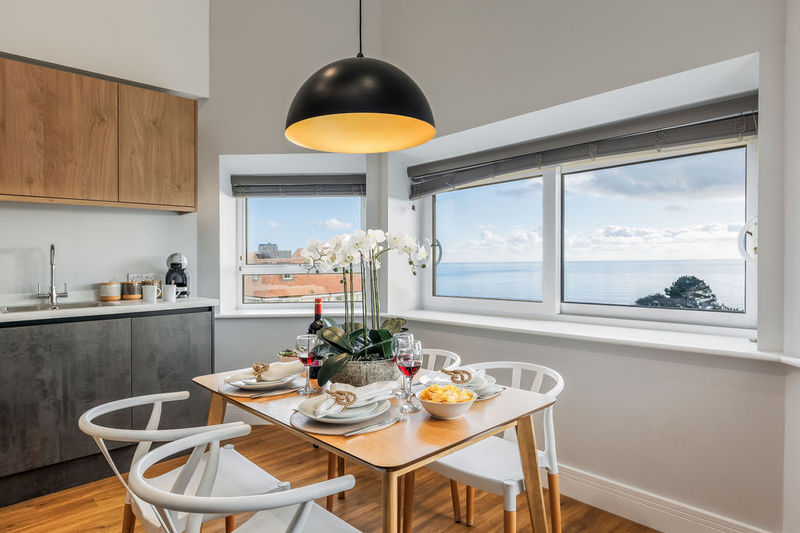
Business travel apartment rentals for productive work trips
Choose a business travel apartment rental with reliable Wi-Fi, a workspace and home comforts. Compare serviced apartments and hotels for your next work trip.


On this page
A business travel apartment rental can suit guests who need more room and a quieter place to work than a standard hotel room. Serviced apartments can be practical for business travellers, especially when they offer fast Wi-Fi, a workspace and home-style facilities.
Work trips vary. A short visit may call for a convenient base near meetings, while a longer stay can make a kitchen, laundry facilities and room to unwind more useful. This guide covers what business travellers look for, how corporate accommodation differs from a hotel, and which features make working away from home easier. It is for travellers and employers comparing options, as well as property owners considering business guests.
Key takeaways
- Prioritise reliable Wi-Fi, a comfortable place to work and practical transport links when assessing accommodation for a work trip.
- Match the stay type to the trip: hotels can suit very short visits, while furnished apartments offer useful home-style space for longer assignments.
- Look beyond the desk: charging points, laundry facilities and a kitchenette can make working away from home more manageable.
- Consider how housekeeping, payment arrangements and clear invoices fit the traveller’s routine and the employer’s expenses process.
- Compare apartment options with the practical needs of the assignment before choosing a place to stay.
1. What do guests look for in business travel accommodation?
There is no single UK location with the best business apartments. The right choice depends on the workplace and travel schedule. Compare the accommodation’s location with available transport to avoid unnecessary journeys to meetings. Apply the same approach to temporary placements, project sites and regular visits.
Business travellers often prefer fast, stable Wi-Fi, a dedicated workspace and practical amenities. A desk, comfortable chair and charging points support working from the apartment, while laundry facilities and a kitchenette help with everyday routines. For a stay of a week or longer, mid-stay cleaning can help keep the space usable without interrupting the working day.
Length of stay matters. A traveller may need a week or two, or a month or two, rather than a single night. Employers arranging repeat visits should consider whether the same type of accommodation and location will suit each trip. Business travel can take place throughout the year, not only during peak holiday periods.
Three common options suit different work patterns:
- Hotels: A familiar choice for brief visits, especially when the guest mainly needs somewhere to sleep between meetings.
- Serviced apartments and aparthotels: Furnished accommodation can offer an individual more space and self-catering facilities for a longer assignment.
- Managed houses: These can suit project crews of 4–10 people who need shared accommodation near a work site.
Project teams should match accommodation to the work. A crew at a temporary construction or engineering site may value shared living space, while separate apartments may better suit employees with different schedules or work locations. Someone relocating and waiting to move into a permanent home may need furnished accommodation for daily living, not simply a bed near the office.
Businesses should weigh location, stay length, payment arrangements and booking responsibilities. Consider how employees will travel to work and whether the accommodation supports their daily routine. Agreeing who books, who pays and where invoices should be sent can simplify repeat assignments.
Tax relief should not be assumed to apply automatically. According to HMRC, accommodation provided by a company for UK-based employees at a temporary workplace qualifies for relief under the 24-month rule, subject to the stated conditions. The temporary-workplace circumstances matter.
Before booking, note the work location, dates, occupancy and employee’s routine. Compare options against these needs, including internet, workspace, transport and meal preparation. This gives the traveller and employer a practical basis for choosing accommodation that fits the assignment.
There is no single UK city with the best business travel apartments. Choose a location close to the workplace, with transport suited to the assignment and travel schedule.
2. What Is Corporate Housing?
Corporate housing is furnished accommodation arranged for employees travelling or relocating for work. A stay can run from one week to 12 months or more, giving an employee a ready-to-use base without a conventional unfurnished tenancy. A serviced apartment may combine a sleeping area, living space and kitchen facilities, while an aparthotel pairs apartment-style accommodation with a hotel setting.
In the UK, serviced-apartment operators, aparthotels and corporate housing providers offer accommodation for work trips. Employers can arrange stays for one employee or a team. The right option depends on location, stay length, required facilities and how the organisation manages bookings and payments.
Duration is a useful starting point. Hotels often suit brief visits when guests need a simple base and spend little time in the room. For a longer assignment, a furnished apartment can provide separate areas for sleeping, working and relaxing. Aparthotels often offer studio apartments with kitchenettes, making them a practical option for shorter assignments.
Space is another distinction. Serviced apartments offer up to 30–50% more space than a typical hotel room, giving a traveller room to work or prepare meals. Aparthotels are described as averaging 200 to 350 square feet (19 to 30 square metres). Compare the actual layout with the employee’s routine: a separate living area has different value from one open-plan room.
Cost comparisons should reflect the whole stay, not just the nightly accommodation rate. A hotel bill may sit alongside meals, laundry and parking, while an apartment can support self-catering and in-unit laundry. For stays of 28 nights or more, UK corporate housing monthly rates are typically 20–30% lower per night than equivalent nightly rates. The value depends on the length of stay and which everyday expenses the accommodation replaces.
- Hotel: Choose for a brief visit, such as meetings across one to three nights.
- Serviced apartment: Consider for an extended assignment where living and working space matter.
- Aparthotel: Consider a studio format for a shorter stay with a kitchenette.
Before booking, employers can compare the assignment dates, occupancy, location and total expected expenses. They should also establish who pays, whether payment is required in advance, and what invoice records are needed for reimbursement. Those steps help align the accommodation with both the employee’s routine and the organisation’s travel process.
3. Dedicated workspace and charging points
A dining table can work for a quick email, but it may not suit a full working day. A dedicated workspace gives guests a clear place to open a laptop, join calls and organise paperwork. For a business travel apartment rental, look for a desk and comfortable chair, alongside fast, stable and secure Wi-Fi. These basics help turn an apartment into a practical base between meetings.
Consider how the guest will use the space. Someone writing reports needs room for a laptop and notes; a guest taking video calls needs enough privacy to speak comfortably. A desk by a window can provide daylight, while work after dark calls for suitable lighting. The aim is a defined work area that does not need clearing for every meal.
Charging points matter when a laptop, phone and headphones may all need power during the working day. Check that sockets are accessible from the desk without cables crossing a walkway. This lets a guest keep a laptop powered while using a phone for calls or travel details. A nearby socket is of little use if furniture blocks access.
- Desk: Check that it has enough clear surface for a laptop and working notes.
- Chair: Look for a comfortable seat suited to a full working session, not just a short email.
- Wi-Fi: Prioritise a fast, stable and secure connection for calls, shared files and online meetings.
- Power: Locate charging points in relation to the desk and the guest’s devices.
For employers comparing accommodation, include these details in the booking brief. Ask the employee what their working day involves, then match the workspace to those tasks. A consultant taking calls from the apartment has different needs from a technician who mainly uses it after site visits. This helps distinguish essential work facilities from less relevant amenities.
Workspace quality also depends on the rest of the room. A laptop should be usable without blocking access to the bed, kitchen or laundry facilities. If the desk sits near a television or shared living area, consider whether that layout fits the employee’s meeting schedule. A clearly equipped work corner can help guests keep work materials together and switch off more easily once the day ends.
Before choosing, check the work surface, chair, Wi-Fi and charging points, then picture a typical working day. Include transport in the same review, especially if the employee will travel between the apartment and workplace. These practical details make it easier to compare how well each option supports the assignment.
4. Home-like facilities and kitchenettes
A kitchenette can help a work stay fit around the employee’s day. Guests can prepare breakfast before an early meeting, store food between shifts or make a simple evening meal after travelling. It can also help employees manage dietary needs without relying on restaurant menus for every meal.
Compare kitchen facilities with the traveller’s routine rather than assuming every kitchenette is alike. A microwave and fridge may suit basic meal preparation, while someone who plans to cook regularly may need more appliances. A guest on a longer assignment, for example, may value a dishwasher, while a short-stay visitor may mainly use the kitchen for breakfast and hot drinks.
Furnished apartments may include washing machines, irons, ironing boards and dishwashers. These details help guests keep clothes ready for meetings and manage everyday tasks during a temporary stay. A washing machine can be useful when working away from home, while an iron and ironing board help prepare smart clothes without visiting an external laundry service.
- Meal preparation: Consider whether the kitchenette suits the employee’s usual meals and dietary needs.
- Food storage: Check for a fridge if the guest plans to keep groceries or leftovers.
- Clothing care: Look for laundry equipment, an iron and an ironing board for longer assignments.
- Kitchen clean-up: A dishwasher can simplify routine tidying after meals.
When arranging accommodation, match the facilities to the stay length and work pattern. An employee arriving late after a site visit may prefer a simple meal in the apartment, while a colleague on a brief visit may eat out. Facilities matter most when they support the guest’s routine, not simply because they appear in a listing.
Parking is a practical consideration for employees travelling by car. Consider the worksite location, planned journeys and whether the guest needs to carry equipment. A kitchenette and parking meet different needs, but both can make daily life easier when the accommodation suits the assignment.
Before booking, note the traveller’s needs and compare each apartment against them. Review meal preparation, food storage, laundry, ironing and parking together. An employee with dietary needs and a week of field visits, for example, may value a usable kitchenette and washing machine more than a larger lounge. This helps businesses prioritise facilities that support the trip, rather than focusing only on appearance.
5. Short-term rental benefits for business travellers
A short-term apartment can give a work trip a more settled rhythm than a hotel. Guests have a furnished base between meetings, can prepare food when dining out does not suit their schedule and can settle into routines that fit the assignment. For employers, the practical benefit is accommodation that supports the job as well as time away from work.
Flexibility helps when travel dates shift around project milestones or client meetings. A furnished apartment can suit a one-off assignment, a repeat visit or a stay that becomes longer than expected. Before booking, compare the location with the workplace, transport plans and the employee’s likely routine. A convenient base can reduce unnecessary journeys and leave more time for work or rest.
Short-term accommodation can also support everyday routines. Guests may prepare a simple meal after a late meeting, use laundry facilities on a longer visit or work in a separate living area. For employees returning to the same destination, a familiar type of accommodation can make each trip easier to organise. Business bookings can also take place throughout the year, not just during peak holiday periods.
- For the traveller: Consider meal preparation, laundry, workspace and the journey to meetings.
- For the employer: Match occupancy, booking dates and payment arrangements to the assignment.
- For repeat travel: Keep a record of useful locations and accommodation features for future bookings.
To book, prepare the travel dates, guest names, occupancy details and organisation’s billing information. Read the booking terms before paying, as they explain the details required for that reservation. Keep the confirmation and invoice with the relevant travel records.
UK safety obligations can vary by property type and location. Before the employee arrives, review the accommodation’s fire safety information, escape arrangements and other relevant safety details. Businesses should also consider how the employee will access the property and what to do if an issue arises during the stay.
Cancellation, deposit and payment terms depend on the individual booking. Before confirming, read the stated cancellation conditions, deposit amount, balance due date and payment method. Employers often arrange payment in advance. Clear records help the traveller and finance team understand the booking and manage expenses.
Assess the whole stay, not just the bed. Compare how each option supports work, meals, travel and the employee’s schedule, then keep the booking details together. This makes short-term apartment stays easier to manage for travelling staff and the people arranging their accommodation.
Flexiestays: Tower House Apartments Hotel
Tower House Apartments Hotel offers a furnished apartment-style option for travellers planning a work stay. For an alternative, Cliff Heights Apartments Hotel, Cliff Manor Apartments Hotel and Shore Retreat Apartments Hotel are also available.
Compare the accommodation with the employee’s work pattern, including time spent in the apartment and the assignment’s practical requirements.
Choose the option that best suits the traveller’s plans and preferred style of stay.
Plan a smoother stay for your next assignment
Before arranging a business travel apartment rental, write down the employee’s working pattern and the practical needs the stay must meet. Use that brief to compare options such as Tower House Apartments Hotel, Cliff Heights Apartments Hotel and Cliff Manor Apartments Hotel, then choose what fits the assignment.
For help with your plans, contact Flexiestays. A considered choice can help the traveller settle into the work trip with fewer practical details left to arrange.
Flexiestays Bournemouth for Business Travel Apartment Rental
Flexiestays Bournemouth offers apartment hotel options for business travellers seeking a place to stay in Bournemouth. Explore Tower House Apartments Hotel, Cliff Heights Apartments Hotel, Cliff Manor Apartments Hotel, Shore Retreat Apartments Hotel, Pebbles Apartments Hotel, Coast Apartments Hotel and Seabreeze Apartments Hotel.
When you’re ready to arrange a stay, Flexiestays Bournemouth offers flexible payment options, including a 25% deposit to secure a booking, with the balance paid later. Guests can also benefit from exclusive discounts and 24/7 local support.
Frequently asked questions
Yes, if the property and booking arrangements suit work stays as well as leisure visits. Business guests may need accommodation throughout the year or return for repeat assignments. Make the listing clear about its work facilities, location and booking terms so prospective guests can assess whether it fits their schedule.
Corporate housing is furnished accommodation for someone on a work assignment, relocation or temporary placement. An employer may organise and pay for the stay, helping manage travel administration and expense records. Unlike a standard hotel booking, the arrangement can reflect the employee’s work and stay length. Make sure the booking identifies the guest and the organisation responsible for payment.
Guests often value reliable internet, a suitable workspace, convenient transport and facilities for daily routines. An employee arriving late after a client meeting, for example, may appreciate being able to prepare food. Employers should also consider the workplace location, travel schedule and potential for repeat visits. Matching facilities to the assignment helps avoid paying attention to features the traveller will not use.
Expect a furnished living space with household equipment to support a practical temporary stay. Depending on the apartment, appliances may include a washing machine, dishwasher, iron and ironing board. A kitchenette can help guests prepare meals around their working hours. Check the accommodation details against the employee’s routine rather than assuming every apartment has the same facilities.
It is furnished accommodation for a work trip or temporary assignment. The apartment gives the traveller a private base outside the workplace, with living facilities suited to the stay. An employee attending meetings over several days, for example, may need a different layout from a project worker staying near a temporary worksite. Work pattern and location help determine the right type of apartment.
The price depends on the stay and is provided after a quote request. Location, dates, occupancy, duration and included services shape the quote. Compare the whole trip budget, not just the accommodation charge. Employers can factor in meals, transport and laundry, then assess those expected expenses alongside the apartment’s facilities and payment terms.
Compare the total cost for the same dates, location and number of guests. A hotel stay may involve separate spending on meals, laundry or parking, while an apartment can support self-catering and longer stays. Corporate housing describes accommodation arranged for work, not a single property format. Value depends on the facilities the traveller will use and the assignment’s duration.
VAT treatment and tax relief are separate considerations. According to HMRC’s guidance on the 24-month rule, accommodation provided by a company for UK-based employees at a temporary workplace qualifies for relief, subject to the stated conditions. Employers can also consult HMRC guidance on travel and subsistence expenses. Keep invoices and records of the employee, workplace and business purpose.