Serviced apartments for business travel: where savings may come from
Explore the benefits of serviced apartments for business travel, from kitchen and laundry facilities to more space, and compare the full cost with a hotel.


On this page
A hotel room isn’t always the simplest fit for a work trip lasting more than a night or two. Serviced accommodation is furnished for short or extended stays and often includes a kitchen and separate living and sleeping areas. The benefits of serviced apartments for business travel can include more room to work, the option to prepare meals and a more settled feel away from home.
It’s easy to see the appeal of a hotel: meals, cleaning and a ready-made room can make a short visit straightforward. On a longer stay, though, space to cook, unwind and separate work from rest can make daily life easier and change how you use your budget.
This guide explains serviced accommodation and compares it with hotels for cost, facilities, space and comfort. It’s for anyone arranging a UK work trip, from a short assignment to a longer placement, who wants to understand potential savings and decide whether an apartment-style stay is a better fit. You’ll also see how self-catering and home comforts can help when a work trip begins to feel like everyday life.
Key takeaways
- Compare the full cost of an extended stay, including meals and laundry, rather than looking at the nightly rate alone.
- A kitchen and laundry facilities can make longer work trips easier to manage and give you more control over daily routines.
- Separate areas for working, sleeping and relaxing can help your accommodation feel more practical over a multi-day assignment.
- Hotels may suit one- or two-night trips, while apartment-style accommodation can offer useful flexibility for longer stays.
- Consider how much privacy, space and home comfort matter to you when choosing between a hotel room and a serviced apartment.
1. Potential savings on extended stays
For a work assignment lasting several weeks, the nightly rate tells only part of the cost story. Compare the complete accommodation budget, including meals, laundry and internet, then consider how the length of stay affects the rate. The Association of Serviced Apartment Providers reported potential accommodation savings of up to 20% for business travellers staying more than 30 days.
Longer bookings may cost less per night when weekly or monthly rates apply. Savings depend on the length of stay, apartment type and what the quoted rate includes. An equipped kitchen lets travellers prepare meals, while laundry facilities can reduce reliance on paid services. Compare these costs with the likely hotel and dining arrangements for the same trip.
Serviced accommodation can suit a short project, training programme or longer placement. Some properties accommodate stays from a week to several months, and some allow longer bookings. A graduate on a training programme may need a base for several weeks, while a project team may need accommodation for months. In either case, the length of stay affects the value.
For a business trip lasting one or two nights, a hotel is often the simpler choice. On an extended assignment, an apartment can offer more flexibility for everyday routines. Compare the total cost and practical facilities instead of assuming one type is always cheaper. The number of nights, meal arrangements and laundry needs all affect the calculation.
Teams should compare the cost of individual hotel rooms with accommodation shared by colleagues. A serviced house may cost less than several hotel rooms, particularly when the group can use shared living space and kitchen facilities. For instance, a team working remotely on the same project can prepare meals together and avoid managing separate room bookings.
Remote projects and group trips may call for a house rather than an apartment. On-site parking can help when colleagues need vehicles, while one property keeps the team together. Compare location, commuting time, sleeping arrangements and the assignment’s length. These practical details can determine whether a lower nightly rate is genuinely a better fit.
Booking terms set out check-in, cancellation and payment arrangements, which can vary by booking. Read the applicable terms before confirming so travellers and finance teams understand deadlines, cancellation conditions and payment dates.
For UK businesses, VAT recovery is separate from the accommodation rate and depends on the business’s VAT position and the nature of the expense. The stated UK accommodation figure changes from 20% to 4% from the 28th day of a stay onwards; this rate change does not, by itself, establish whether a business can reclaim VAT.
2. Kitchen and laundry facilities
A kitchen can make a working week easier to organise. Prepare breakfast before an early meeting, store groceries for the next day, or make a simple evening meal after travelling. The Global Serviced Apartments Industry Report found that 76% of travellers preferred accommodation with kitchen facilities. For a business traveller, a fully equipped kitchen also offers an alternative to eating out for every meal. Check which appliances and utensils are provided, then plan meals around the facilities available.
Laundry access can simplify an extended work trip. Instead of packing a fresh outfit for every day, travellers can wash and reuse clothes during their stay. This can help a consultant travelling between client meetings or an employee working away for several weeks. Laundry arrangements vary: some properties have in-apartment appliances, while others offer shared facilities or a different setup. Knowing what’s available helps you plan around work commitments.
Housekeeping and maintenance shape the practical rhythm of a stay. A serviced apartment may include housekeeping, while an aparthotel can pair apartment-style facilities with hotel services. Cleaning frequency and scope vary, so compare what the booking includes with your routine. A traveller working from the apartment may value fewer interruptions, while someone staying longer will benefit from a clear way to report maintenance issues.
Assess facilities as a package, not as a list of appealing extras. Reliable Wi-Fi supports video meetings and document access; parking can help when a work site is difficult to reach by public transport. Laundry matters more on a long assignment than an overnight visit. For a team arriving by car, parking arrangements may count as much as kitchen space. Match each facility to a real need on the itinerary.
Fitness and wellness facilities can help travellers maintain familiar routines while away. Some serviced accommodation includes a fitness centre or swimming pool, but these features aren’t universal. A runner may prefer a nearby route, while someone who uses gym equipment may value an on-site option. Consider working hours, the journey to the workplace and time after meetings to judge whether an amenity will be useful.
Before booking, list the facilities that matter most and compare each property against them. A checklist might include kitchen equipment, laundry, housekeeping, Wi-Fi, parking and fitness access. On a week-long assignment, a traveller may prioritise laundry and a workspace; on a shorter visit, convenient parking and breakfast preparation may matter more.
3. Separate living, sleeping, dining and working areas
An apartment layout can give business travellers distinct places to work and rest. After meetings, they can leave a desk or table and relax in the living area, rather than staying beside the bed. A separate bedroom also makes it easier to keep luggage and work materials out of sight. On an extended assignment, these boundaries can make the accommodation feel more like a temporary home.
Separate rooms offer practical privacy for different schedules. One colleague can take an early video call in the living area while another sleeps in the bedroom. Travelling with a partner or family member can also feel less cramped when everyone has somewhere to sit apart. Check the floor plan and whether the bedroom has a door, rather than relying on broad descriptions of space.
A dedicated work area can help mark the end of the working day. A traveller can spread out documents at a table, then close the laptop and move elsewhere to relax. In a single-room hotel, sleeping, working and unwinding may all happen in one space. An apartment with separate living and working areas gives more choice about where each activity takes place.
Dining space offers another practical advantage. A table can serve for breakfast, laptop work or an evening meal, without turning the bed into a desk. If a colleague visits to discuss a project, a shared living or dining area may be more suitable than a bedroom, subject to the property’s rules. The layout can keep work conversations separate from private sleeping space.
Space matters to business travellers: a Savills survey found that 80% value it when choosing accommodation. That preference can be especially relevant for a placement lasting several weeks, when bags, work equipment and everyday belongings need room. Extra living space also gives travellers somewhere to sit between meetings, rather than spending every hour in one chair. The value comes from how rooms function, not simply the floor area.
Before choosing, map your daily routine onto the layout. Decide where you’ll work, sleep, eat and take calls, then check that each activity has a practical place. Someone with late calls may prioritise a bedroom with a door; someone preparing presentations may need a separate table. This helps distinguish a useful layout from a property that only looks spacious in photographs.
Layouts vary between properties, even within the same accommodation category. Check the specific arrangement for your dates and travelling party. A separate bedroom may matter more than a larger shared room for two colleagues, while a quiet living space may suit someone working remotely. Matching the floor plan to the work pattern makes the extra space useful.
4. What's the difference between a serviced apartment and a hotel?
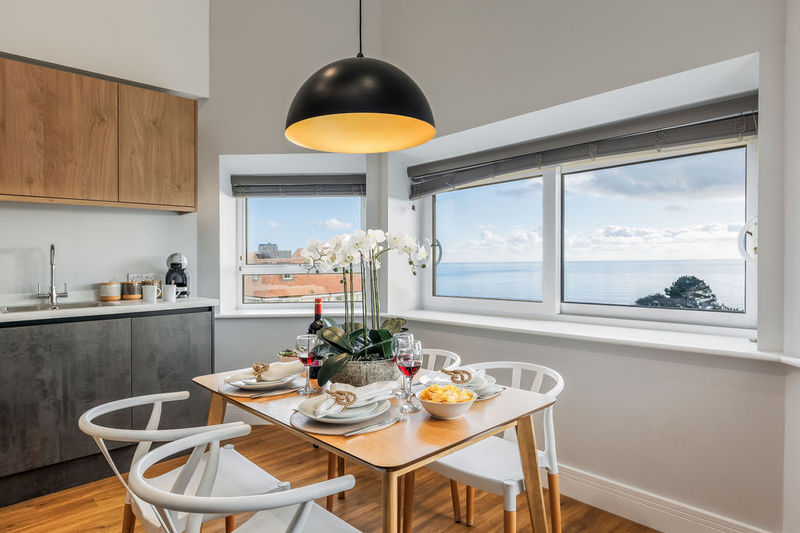
A hotel room usually centres on a bedroom, bathroom and compact area for relaxing. A serviced apartment typically has a kitchen and separate living, dining and sleeping areas. A one-bedroom serviced apartment may offer more space than a typical hotel room. That extra space can help travellers separate work from rest on an extended assignment.
Facilities vary, so compare what each booking actually includes. Serviced apartments typically include Wi-Fi and bills, alongside a fully equipped kitchen and separate rooms. Hotels usually centre on a prepared room and hotel services. For a one- or two-night trip, a hotel is often simpler; for a longer stay, an apartment layout may better support daily routines.
An aparthotel combines apartment-style cooking and dining with hotel services, such as front desk support. Some also offer amenities such as a gym or restaurant. This middle ground can suit travellers who want a kitchen and separate living space as well as hotel-style support. The combination varies, so check the facilities listed for the room and property you’re considering.
Housekeeping is another point of difference. Serviced apartments may offer hotel-style housekeeping, but the frequency and service vary. Some guests value fewer interruptions during the working day; others prefer regular room cleaning. Fitness centres, swimming pools and concierge services are available at some properties, but aren’t standard in every apartment. Match these amenities to your itinerary.
Review security arrangements in practical terms. Some serviced apartments provide secure entrances and surveillance systems, but features differ between properties. For a business booking, review the accommodation’s stated arrangements and check that your organisation’s travel insurance covers the stay, personal belongings and relevant cancellation circumstances.
To choose accommodation for a work trip, start with the dates, location, guest numbers and work address. Compare the layout, Wi-Fi, kitchen, housekeeping and check-in arrangements with the itinerary. Read the payment and cancellation terms before confirming, then share the details with the traveller and finance team.
In short, hotels prioritise a ready-to-use room and hotel services, while serviced apartments add domestic facilities and distinct spaces. An aparthotel blends aspects of both. A traveller staying near a client office for several nights, for example, may value a kitchen and separate lounge, while someone arriving for a single meeting may prefer a hotel room’s straightforward setup.
5. Home comforts and self-catering
An extended stay changes the feel of business travel. Familiar routines can be harder to maintain when every evening is spent in a hotel room. Apartment-style accommodation gives guests room to settle in, prepare simple meals and organise belongings for the next working day. A traveller arriving late can unpack, plan breakfast and start the morning without relying on restaurant opening times.
Self-catering offers more than cost control. A kitchen lets guests choose ingredients, meal times and portion sizes, which can help travellers with dietary restrictions. Someone avoiding particular foods can prepare a suitable meal instead of relying on a restaurant menu. This choice matters on extended stays, when eating out for every meal can make daily routines less flexible.
Home comforts can also create a clearer boundary between work and downtime. After a client presentation, a guest might change clothes, prepare supper and relax in the living area rather than stay in a single hotel room. A separate place to sit can make an evening call with family feel more natural, too. These everyday routines can make a temporary base feel more settled.
Privacy is another part of the appeal. The Business Travel Show survey found that 61% of business travellers preferred serviced apartments to hotels for privacy and comfort. For a solo traveller, that may mean choosing when to cook, work or unwind. For colleagues travelling together, separate living space can provide a shared place to talk without turning the bedroom into a meeting room.
Before booking, picture a typical working day from arrival to bedtime. Will you need somewhere to prepare breakfast, store food, make a hot drink or sit away from the bed? Compare the apartment’s layout and kitchen facilities with those needs. A traveller with early starts may value breakfast preparation; someone on evening shifts may prioritise the freedom to eat later.
Self-catering doesn’t mean preparing every meal in the apartment. Guests can balance cooking with eating out, using the kitchen when it suits their schedule. That flexibility can be especially useful during a placement lasting weeks, when plans and working hours may change. Choose accommodation that supports the routine you want, not just the nights you need to book.
For an extended stay, make a short list before choosing: kitchen essentials, privacy, a comfortable place to sit and room for everyday belongings. Compare the list with the accommodation details, then consider how each feature fits your work pattern. A serviced apartment is most useful when its home comforts address real daily needs, rather than adding facilities you won’t use.
Flexiestays Bournemouth: Tower House Apartments Hotel
Tower House Apartments Hotel offers an apartment-style base for work trips that call for more than a hotel room. Self-check-in, fast Wi-Fi and a smart TV support a straightforward stay, while apartment-style space gives business travellers room to settle into their own routine.
When comparing serviced accommodation for a work assignment, match the setup to the trip’s length and rhythm. Consider whether the available facilities suit your working day and evenings. Other options include Cliff Heights Apartments Hotel, Cliff Manor Apartments Hotel and Shore Retreat Apartments Hotel.
For details about Tower House Apartments Hotel or to discuss an upcoming stay, contact Flexiestays Bournemouth or visit flexiestays.com.
Make your next work stay fit the way you travel
Before approving a work stay, turn the itinerary into a practical booking brief. Note the travel dates, arrival window, work location and any requirements in your organisation’s expense policy. For the accommodation decision, compare the details for Tower House Apartments Hotel, Cliff Heights Apartments Hotel and Cliff Manor Apartments Hotel against the traveller’s plans.
Give the finance team a clear record of the booking confirmation and receipts. The government’s business travel expenses guidance can help employers understand how travel costs are treated, while GOV.UK guidance on VAT for businesses covers VAT responsibilities. Use the relevant guidance alongside your organisation’s own expense procedures.
A little planning makes it easier to choose accommodation that fits the work, not just the calendar. Set your priorities clearly and the next trip can begin with fewer loose ends.
Frequently asked questions
Serviced accommodation is furnished temporary lodging arranged for guests, rather than a conventional residential tenancy. For a work booking, treat it as both a place to stay and a travel expense to manage. Before confirming, record the traveller’s name, arrival and departure dates, booking reference, payment method and invoice requirements. Keeping these details together helps colleagues and finance teams manage changes without searching through separate messages.
The difference can affect how a business manages a booking, not just what the traveller finds on arrival. Compare cancellation terms, payment deadlines, invoice format and the process for changing guest details. If a colleague may replace the original traveller, for example, establish how the booking handles that change before seeking approval. A brief written record makes the choice easier to explain to procurement.
Value depends on how well the accommodation fits the assignment and the organisation’s travel process. Before choosing, list the traveller’s essential needs, work location, likely arrival time and expense limits. Separate must-haves from preferences. This gives the person approving the booking a clear reason for the choice and provides the traveller with a practical brief, without assuming every work trip needs the same setup.
For a UK business booking, compare the paperwork and terms as well as the stay itself. Check whether the quoted total covers the required dates and guests, what the cancellation conditions say, and whether the business can obtain an invoice with the details its accounts team needs. Keep the booking confirmation and receipts together, then match them against the company’s expense process after the trip.
Some serviced apartments offer reduced rates for longer bookings, but compare the total cost for the same dates, occupancy and requirements. Ask for a full cost breakdown, then consider how a changed project end date would affect the booking terms. A lower nightly rate may not settle the decision if the team needs flexibility with dates or different arrangements for its travellers.
Facilities vary, so assess the setup against the work involved rather than relying on a general description. A traveller leading video calls may need a quiet room, suitable lighting and space for a laptop and notes. Someone handling confidential documents may also need privacy from colleagues sharing the accommodation. List these requirements before booking and compare them with the details for the specific apartment.
Serviced apartments can suit team travel when the accommodation and booking arrangements work for the group’s schedule. Prepare a rooming list with each traveller’s dates, arrival details and individual requirements. Decide who will manage changes and keep a copy of the booking information for the team. If colleagues travel on different days, compare the practicalities of a shared property with separate accommodation before finalising the plan.