Bleisure travel accommodation UK for work and longer stays
Bleisure travel accommodation UK should fit work and time off. Compare flexible stays, reliable Wi-Fi and workspaces, plus why two or three extra nights help.


On this page
Bleisure travel accommodation in the UK should make it easy to balance work commitments with personal time. Bleisure travel combines business with leisure, whether you add a day to explore or simply enjoy a quieter evening after work.
Choosing accommodation for a combined trip involves more than location. Your work schedule, plans for your free time and length of stay all shape what will be practical. The right base should suit the trip you’re taking, not just the hours spent in meetings.
This guide explains bleisure travel and what to consider when choosing accommodation in the UK. It covers location, flexible stays, internet access, workspaces and the practical needs of a longer visit. It’s for business travellers adding leisure time and remote workers arranging a stay around work and time away.

Key takeaways
- Bleisure combines a business trip with leisure time; a workcation is different, with work forming part of a longer stay away.
- Choose accommodation with your work location, privacy and comfort in mind, as well as how you want to spend time off.
- Adding two or three nights can give you more time to enjoy a destination after work commitments.
- For working during your stay, prioritise reliable internet and a comfortable place to focus.
- For a longer visit, consider whether cooking and laundry facilities and extra space would make day-to-day life easier.
What is Bleisure Travel?
Bleisure travel combines work-related travel with leisure activities. A business traveler might finish meetings in London, then stay on to visit a gallery or explore a neighborhood. The aim is to make room for personal time around work obligations, rather than treating the trip as work from start to finish.
Serviced apartments can suit this mix by providing a base for both work and downtime. A separate living area can make it easier to step away from your laptop, while cooking and laundry facilities can be useful on a longer visit. For example, someone attending meetings in Manchester could work from their accommodation, then spend the evening exploring the city.

Leisure can also sit within the workday. A Foxhills Club & Resort survey found that 72.1% of respondents considered a full-day meeting with an afternoon activity the most effective format for productivity and balance. That might mean scheduling a team meeting before a planned group activity, rather than filling the day with meetings and leaving leisure until the trip ends.
Plan the itinerary around your work commitments. Set meeting times and work objectives first, then fit personal activities around them. Leave time for journeys between appointments and leisure plans. Keep work and leisure expenses separate, and clarify with your employer which travel costs they will cover. An employer may contribute to some bleisure travel costs, but that does not automatically include personal activities.
For UK employer and tax planning, agree which expenses are work-related and which are personal before travelling. Keep leisure costs separate from business expenses, and complete work objectives before scheduling personal time.
Accommodation booking terms set out the cancellation, change and refund policies that apply to your reservation. Read them before booking so you understand what happens if your dates change, you cancel or request a refund.
There is no single best UK city for every bleisure trip: the right choice depends on the business destination and the leisure activities you want nearby. London was ranked the world’s No. 2 bleisure destination for 2025; Manchester offers access to coworking spaces near the Science and Industry Museum, while York is two hours from London by train.
A workcation is different: it involves intentionally working remotely from a chosen destination or taking work on holiday for an extended period. Bleisure travel usually begins with a business trip, then adds leisure time around its work commitments. Keeping the distinction clear helps you plan the stay, from a short extension after meetings to a longer period working remotely.
Choosing accommodation for bleisure trips
Your base needs to work during meetings and afterwards. Start with location: accommodation close to your business destination can reduce time spent travelling between appointments, while nearby leisure activities can make personal plans easier. For example, staying near a meeting venue may suit a tight schedule, while a different location may offer a change of pace once the workday ends.
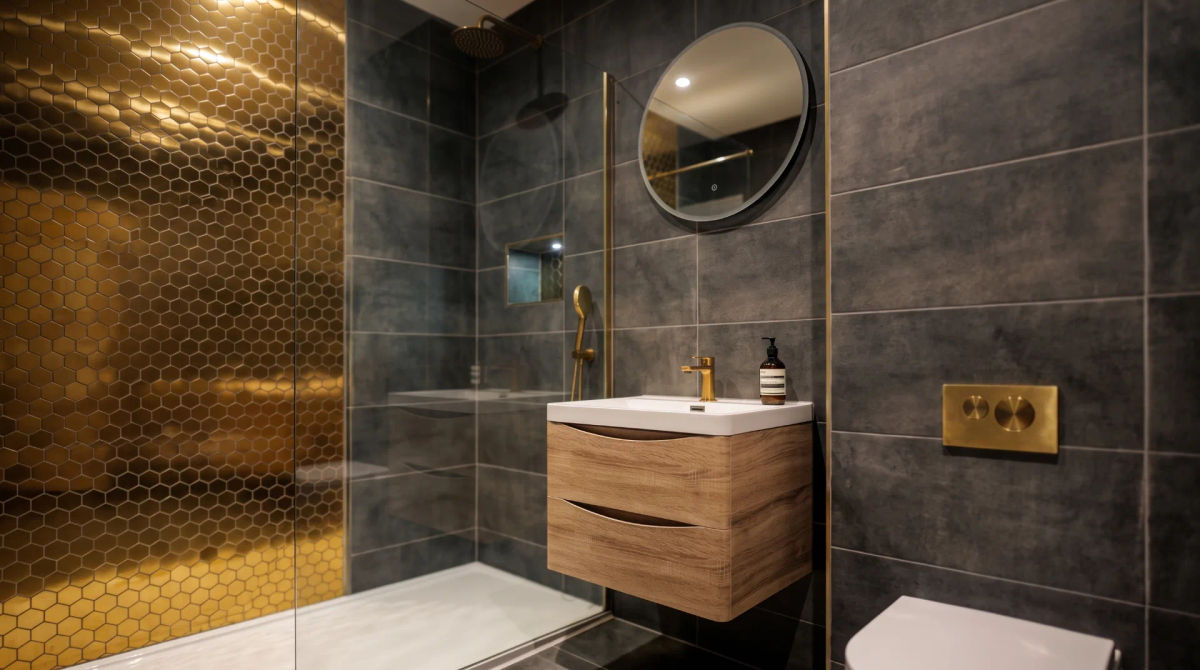
Comfort and privacy matter when business calls continue from your room. A desk or quiet area can help separate work from rest, while a comfortable living space gives you somewhere to unwind. Serviced apartments may suit guests who want room to switch between work and leisure. Hotels can also work well when their facilities match the trip’s needs.
When comparing UK hotels, look for workspaces or meeting facilities that suit your needs, alongside leisure options that fit your plans. Flexible check-out, family-friendly extras and wellbeing facilities may also be useful, depending on what you need from the stay.
There’s a reason to favor one well-chosen base over changing accommodation midway. The article states that 82% of bleisure travelers stay at the same hotel for both work and leisure. A single base can simplify the transition from meetings to personal time, especially when your itinerary includes several work appointments. Consider whether the same room and location will remain comfortable for the whole visit.
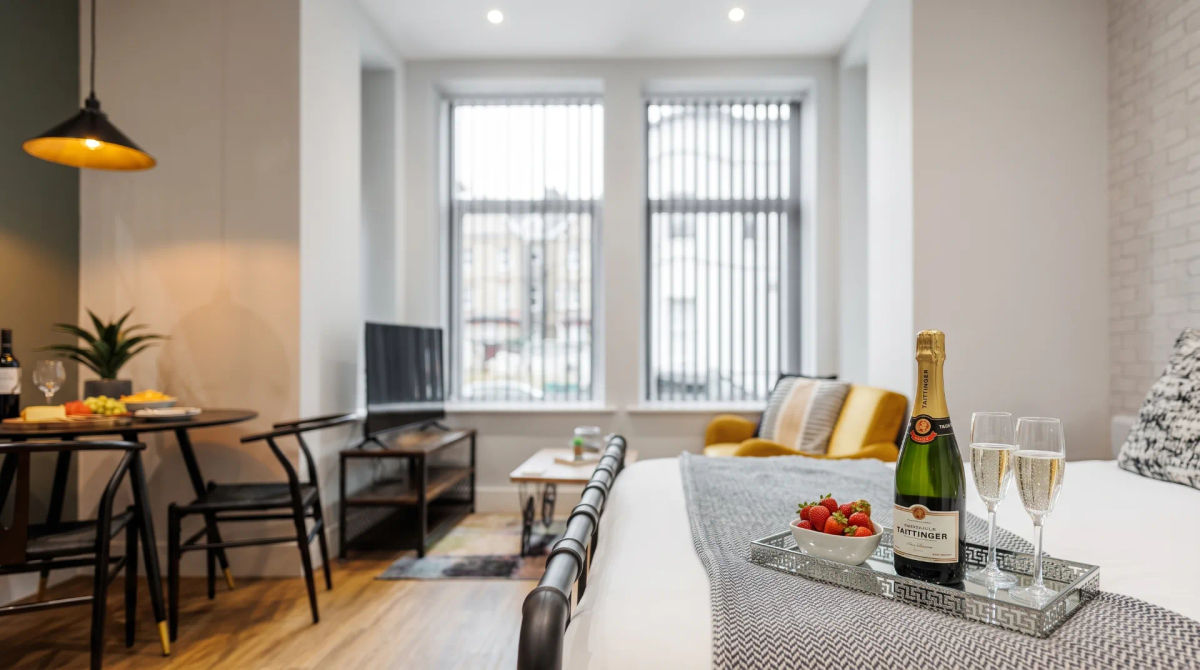
Match the accommodation to your working pattern before booking. For a day of online meetings, a quiet place to take calls may matter more than proximity to evening activities. For a trip centered on in-person appointments, the journey to your business destination may matter most. If family are travelling with you, family-friendly options can make the leisure part easier to arrange.
Safety, accessibility and transport also shape the choice. Which UK factors should bleisure travelers consider? Check how the route between the accommodation, meeting venue and transport links fits your plans, and consider lighting, step-free access and any mobility requirements. A short, straightforward journey can leave more time for work and leisure, while accessible facilities should suit the needs of everyone travelling.
Compare the practical details of the stay, not just its location. Consider privacy, comfort, available work facilities and how easily you can reach planned activities. Combining business travel with leisure works best when the accommodation supports both, without making either feel like an afterthought.
Flexible check-outs and extended stays
A business trip doesn’t always need to end when the conference does. Adding two or three nights can create time to experience the destination at a slower pace, without arranging a separate visit later. For example, a traveller finishing meetings in London on Friday could use the weekend for leisure before travelling home. The value is practical as well as personal: one continuous stay avoids packing and changing accommodation midway.
Check-out timing matters when work and travel don’t line up neatly. A morning meeting, late train or evening flight can leave an awkward gap between leaving your room and departing. Flexible check-out options may help bridge that gap, while a standard departure time could mean finding somewhere else to spend the day. Include check-out in your itinerary alongside conference times and transport plans.
Before extending a booking, map your work commitments against your leisure days. Keep business dates distinct from personal time, and note which nights are work-related. This clarifies your schedule and any expense arrangements with your employer. If you’ll continue remote work during the extension, allow time for working hours and breaks instead of filling every day with activities.
- List the final meeting, conference or work deadline, then identify when personal time can begin.
- Choose the extra nights around travel plans, such as a weekend in the destination after Friday meetings.
- Review the accommodation’s change and check-out terms before adjusting dates, so the booking matches the revised itinerary.
Choose an extension that suits the reason for travelling. A short stay may leave time for a city break, while a longer period may suit someone combining meetings with remote work. In either case, consider whether the accommodation offers useful spaces for both. A separate area to work can help maintain a routine, while nearby places to eat or unwind make leisure time easier to enjoy.
For example, a traveler could schedule work during the business part of a trip, then reserve extra nights for local activities. The same approach works across the UK: anchor your itinerary around work, then add leisure days where transport and accommodation make the transition straightforward. Keep personal plans flexible in case a meeting runs late.
An extended stay can help you balance work and rest. Rather than squeezing sightseeing into a conference evening, set aside time after your final work commitment. Plan your departure day carefully, too: align check-out with your onward journey, and avoid booking an activity that leaves little time to collect your luggage or reach the station.
Internet access and workspaces
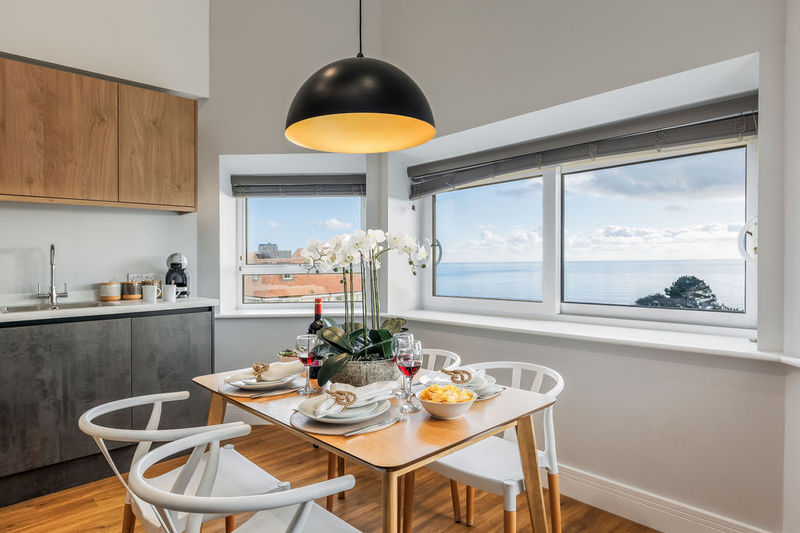
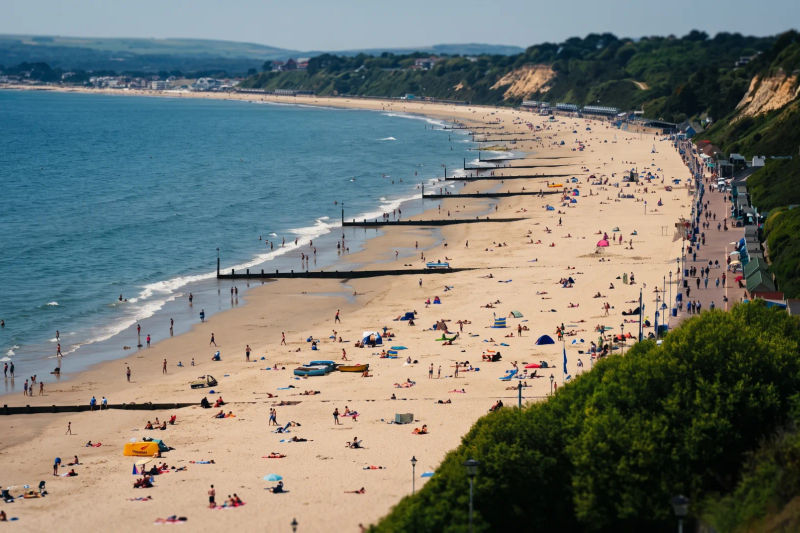
For a bleisure stay, internet access can determine whether a workday runs smoothly or gets in the way of leisure. Serviced apartments can provide reliable internet and a dedicated workspace, giving remote workers a place to focus before exploring their destination. In Bournemouth, for example, a traveller could finish a video meeting at their accommodation, then head out to enjoy the town’s coastal culture.
Start by considering what your work involves. Someone handling email and documents has different needs from someone leading video calls or sharing large files. Look for clear information about Wi-Fi and workspace rather than assuming every room has the same setup. A desk, supportive chair and nearby power socket can make a practical difference during a full day of calls.
Separate work from rest where possible. A dedicated desk can mark the start of the working day, while a separate living area gives you somewhere to unwind afterwards. In a compact room, even putting your laptop away from the bed can help create a clearer boundary. This flexibility is especially useful when a business trip includes remote work and evening plans.
Location also affects how well the arrangement works. A central area may put cafés, transport and leisure activities within easier reach, while a quieter setting may suit concentration. Choose a base around the meetings and journeys that shape your schedule, not just the places you hope to visit in your free time. The right balance depends on how often you need to travel between your accommodation, appointments and activities.
- Match the workspace to your tasks, such as video calls, writing or reviewing documents.
- Consider whether the accommodation gives you a separate place to work and relax.
- Map the route between your accommodation, meeting venue and planned leisure activities.
- Schedule breaks away from the screen, such as a walk before an evening meal.
A simple daily routine can make combining business and leisure more manageable. Set a start time, group calls where practical, and choose a clear finish point before personal plans. For instance, you could reserve the morning for meetings, take lunch away from your desk, then use the afternoon for focused tasks. This structure protects time to explore without letting work fill every hour.
Think about shared internet use, too. A colleague taking calls from the same apartment may need a separate quiet space, while a family member streaming in the evening could affect your work plans. Choose a workspace arrangement that suits everyone travelling with you, and keep important calls away from noisy shared areas. A little planning helps the accommodation support both productivity and downtime.
Fast Wi-Fi and a usable workspace can make accommodation more than a place to sleep. For travellers combining business with leisure, the right setup supports focused work, creates a natural stopping point in the day and leaves room to enjoy the destination.
Long-stay accommodation for bleisure guests
A longer visit changes how you experience the area around your accommodation. A location that suits one conference day may feel less convenient when you return to it throughout the week. When choosing bleisure travel accommodation in the UK, consider everyday routines as well as work: where you’ll pick up essentials, how you’ll get around and what you’ll want nearby after meetings. In Bournemouth, check how easily you can reach the town center and the seafront from your base, as well as the route to your workplace or meeting venue.
Consider the rhythm of a typical working day. Someone with early appointments may value a straightforward morning journey, while a traveler finishing late might prefer places to eat nearby. Sketch out a representative weekday and a day off. If both feel manageable from the same base, the location is more likely to suit your whole visit.
Living with luggage for an extended period can make the layout more important than it first seems. Think about where you’ll keep work materials, clothes and personal belongings without letting them take over the space. For example, someone bringing presentation materials may need room to organise them between meetings. A practical layout helps keep the room comfortable as you settle into a routine.
Pay attention to the surroundings, too. Street noise, nearby building work or a busy entrance can affect rest and concentration during a longer visit. Consider what matters during your downtime, such as a calm evening after work or a convenient route for a walk. A feature that barely matters during an overnight stop may become noticeable over several days.
Before choosing, compare the everyday details that will shape your stay:
- Travel pattern: Consider the journeys you’ll make repeatedly, not just the first arrival.
- Daily essentials: Think about access to food shops, transport and other places you’ll use regularly.
- Room layout: Picture where your belongings and work materials will go during the stay.
- Time off: Consider whether the surrounding area suits the kind of downtime you enjoy.
A project-based stay can change as deadlines or meeting schedules shift. Leave some breathing room in your personal plans, especially if workdays vary. If your appointments move between different parts of Bournemouth, choose a base that keeps regular journeys manageable rather than selecting accommodation solely for one planned evening out.
The key is to assess long-stay accommodation as a temporary home for everyday life, not simply a place to sleep. Picture an ordinary working day, a quiet evening and a day without appointments. If the location and layout support all three, they’re more likely to suit a bleisure trip that continues after the business commitment ends.
Before settling on a stay, picture the trip you want to come home from. Perhaps you’d value a quiet evening after a demanding workday, time to explore somewhere new or a slower morning before travelling home. Deciding what would make the personal part worthwhile gives you a useful starting point, rather than letting the work diary shape every decision.
If Bournemouth is on your itinerary, Flexiestays Bournemouth offers Tower House Apartments Hotel, Cliff Heights Apartments Hotel and Cliff Manor Apartments Hotel. These are accommodation options to consider as you plan a visit around its purpose, whether you’re travelling for meetings or adding personal time to a work trip.
For bleisure travel accommodation in the UK, choose with your actual routine in mind: how you want the days to begin, where you’ll spend your evenings and what you’d like to remember afterwards. When planning your travels across the country, you can explore Flexiestays Bournemouth accommodation options for your trip. A little thought before travelling can leave more room to enjoy the destination once work is done.
Frequently asked questions
Bleisure combines business travel with leisure, and a London Loves Business survey found that 68% of UK workers find business trips more appealing when they can incorporate a holiday. That measures how appealing the option is, not how many people actually take bleisure trips. It suggests travellers may value the opportunity, but doesn’t establish how frequently they extend a work visit.
The suitable option depends on how long you’ll stay and what you need between appointments. A hotel can suit a short visit, while an apartment may be more comfortable for a longer stay. For a shorter booking, compare short-term stay options; for an extended visit, review long-term accommodation options against your expected routine.
Serviced apartments and hotels suit different travel patterns. An apartment may work well if you expect to spend more time in your accommodation, while a hotel may suit a schedule built around meetings away from the room. If your trip is based in Bournemouth, Tower House Apartments Hotel is one accommodation option to consider alongside your itinerary and preferred stay length.
Make sure your reservation covers every night you intend to stay, including any personal extension after work ends. Read the booking terms for rules on changing dates, cancellations and refunds, and keep a copy with your travel details. If your employer is paying for part of the trip, record which dates are for business and keep personal costs separate for clearer expense reporting.
Match the advertised facilities to the work you’ll actually do. A private video call needs a quiet setting; a team discussion may call for a separate meeting room. Build travel time into your schedule too. For UK journeys, National Rail journey planning and Morebus route information can help you consider how transport links fit around work and leisure plans.
Look for hotels with workspaces or meeting facilities that suit your needs, alongside leisure options that fit your plans. Flexible check-out, family-friendly extras and wellbeing facilities may also be useful.