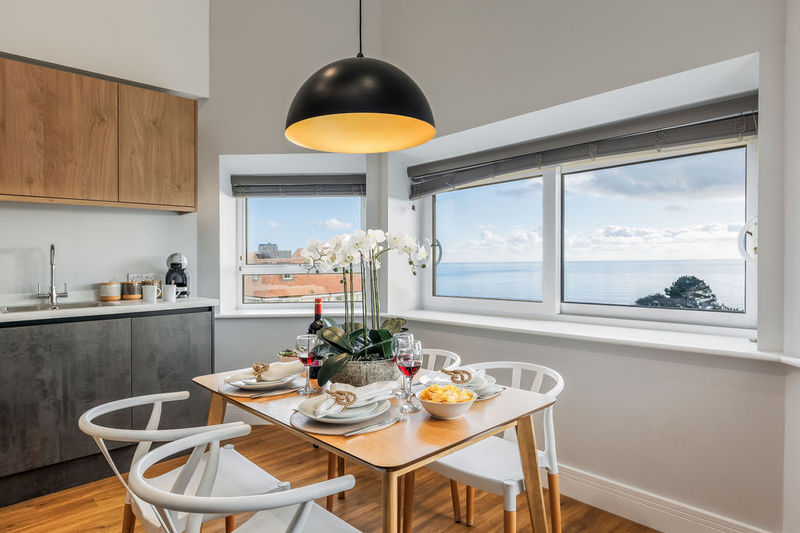
Serviced apartments for families offer space and home comforts
Discover the benefits of serviced apartments for families, including bedrooms, kitchens, laundry and flexible support for your Bournemouth stay guide.


On this page
A family break doesn’t have to mean sharing one room. A serviced apartment combines furnished accommodation with space for everyday living. The benefits of serviced apartments for families include flexibility and a setting that can adapt to different routines.
Every family travels differently. A short holiday, a longer visit and a trip with young children each call for a different balance of space, independence and support.
This guide explains what serviced apartments are and how their layouts, facilities and services can shape a family stay. It also explores when apartment-style accommodation may suit your plans, helping you choose the right fit for your trip.
Key takeaways
- Understand what furnished serviced accommodation can include, and how a kitchen may help families prepare familiar meals.
- Consider how separate sleeping and living spaces can make it easier for children and adults to follow different routines.
- See how laundry facilities may help families manage clothes during a stay and pack more practically.
- Learn how optional housekeeping and other support can shape the level of independence or assistance you prefer.
- Weigh the practical differences between a short break and a longer family stay, then explore Tower House Apartments Hotel as a Bournemouth option.
What is a Serviced Apartment?
A serviced apartment is furnished accommodation for guests, combining a place to sleep with facilities for everyday living. Depending on the property, it may include a kitchen, lounge and laundry equipment, alongside Wi-Fi or housekeeping. A family can unpack, store food and prepare breakfast without relying on a hotel dining room.
Compared with a hotel room, an apartment can give a family separate living and sleeping areas, plus a kitchen for preparing meals. This can make routines easier, especially when children eat at different times or need familiar food. A hotel may suit a single night between flights, while an apartment’s self-catering facilities can be useful for a longer stay.
The kitchen is often central to the benefits of serviced apartments for families. Facilities may include a fridge for milk and snacks, an oven or microwave, and equipment for serving meals. A family could prepare porridge before a day out, then heat a simple meal on returning. The exact equipment varies between apartments.
Preparing familiar meals can make family travel more manageable. Parents can plan around a child’s usual mealtime, pack ingredients for a favourite dish or keep baby food chilled. It also offers a practical alternative to eating at restaurants for every meal. For children with dietary requirements, preparing food can give parents more control over ingredients.
For family bookings in the UK, check the apartment’s stated maximum occupancy and age policy. These terms vary by property, so choose accommodation that fits the adults and children travelling together rather than assuming the same occupancy limit applies everywhere.
Kitchen and laundry facilities vary between apartments. A kitchen may have a fridge, oven, microwave and dishwasher, while some apartments also have a washing machine. Before booking, consider whether you’ll need to wash clothes during the stay and which cooking facilities matter most to your family.
Serviced apartments can suit families with babies and young children when the layout works for their belongings and routines. A one-bedroom apartment may be practical if there’s room for a cot, pushchair and bags. A kitchen can help with bottles, snacks and baby food, while a separate living area lets adults continue their evening routine after a child has settled.
There are trade-offs. Self-catering means planning and preparing some meals, and kitchen equipment or laundry facilities can vary. Housekeeping arrangements also differ. Weigh the value of cooking facilities and living space against the convenience of a hotel room, where meals and services may be organised differently.
Separate bedrooms and living areas
A separate living area changes how a family can use its accommodation throughout the day. Children can play or watch television in the lounge while adults read, plan an outing or get ready for bed. In a single hotel room, these activities often share space with sleeping. An apartment with a lounge and bedrooms gives each part of the day more room.
Serviced apartments come in different bedroom layouts. The right one depends on who is travelling and how your family prefers to sleep. Parents with a baby may find a one-bedroom apartment practical if there’s room for a cot and pushchair. Families with older children may value separate bedrooms, so bedtime doesn’t have to end the whole evening.
In a two-bedroom apartment, children can sleep in one room while adults use another. The living area can then remain available for a quiet conversation or an early start. A three-bedroom layout can give siblings separate rooms, which may suit children with different sleep routines. Separate rooms help families balance time together with personal space.
Look at how the rooms connect, not just the bedroom count. A lounge with a sofa and television gives children somewhere to relax after a day out, while a dining area can serve for breakfast, games or sorting belongings. A family can leave bags in the bedroom and keep the main living area clear for play. The layout determines how useful the extra space will be.
Apartment size matters because additional bedrooms don’t automatically create a comfortable shared area. A family spending most of the day outdoors may need a different layout from one visiting relatives or staying for several days. Consider where everyone can sit together, whether children can play without blocking the route between rooms, and whether luggage can be stored without taking over the lounge.
Separate rooms can also support different routines. One parent might settle a tired child in a bedroom while another uses the living area to organise the next day. If children wake early, the lounge offers somewhere to start breakfast or play without immediately disturbing everyone else. It won’t prevent every noise or interruption, but it gives families more ways to manage them.
Bedrooms and living areas are useful for families who want to spend time together without sharing every activity. A floor plan that separates sleeping from relaxing can make mornings, naps and evenings easier to organise. When comparing layouts, ask where each person will sleep, spend quiet time and gather during the stay.
Laundry facilities and everyday independence
A washing machine can make a family stay easier to manage, particularly after a beach day or muddy walk. Serviced apartments with laundry facilities let guests wash clothes during the visit and pack lighter. Instead of bringing spare outfits for every possible spill, parents can plan a wash and keep clean clothes in rotation. That can free suitcase space for nappies, children’s shoes or a favourite bedtime toy.
Laundry also gives families more control over the day. Without a washing machine in the apartment, finding another laundry option may take time. In an apartment with a machine, a wash can fit around a child’s nap or an afternoon indoors. Parents could put clothes on before breakfast, then spend the day out while the family’s routine carries on.
Laundry facilities differ between apartments. Some have a washing machine, while others may provide a dryer or ironing board. The location of the equipment matters too: in-apartment laundry keeps washing close, while shared facilities mean leaving your accommodation. For a longer stay, these details can affect how much washing gets done and how much clothing to bring.
When choosing where to stay, weigh laundry alongside location and other amenities. A place near attractions can make it easier to return for a rest or a change of clothes between outings. If you’re travelling by car, parking can influence the day’s plans, especially with pushchairs or beach equipment. A convenient location is one that fits your itinerary, transport and daily needs.
What family amenities do serviced apartments typically offer, such as cots, high chairs and parking? Some provide cots or high chairs, and some have parking for guests travelling by car. These features aren’t universal, so check the individual apartment’s facilities when planning what to bring and how to organise your stay.
Security features may also be part of an apartment’s facilities. Some have secure entry or surveillance, which can help families feel more settled when coming and going. A secure entrance can be especially relevant when parents are managing bags, a pushchair and young children. It’s one practical consideration alongside the apartment’s location and layout.
Compared with a hotel room, laundry and self-catering facilities can make an apartment feel more like a home away from home. They also mean guests handle some everyday tasks themselves. A family that prefers fresh clothes each day may value in-apartment laundry, while those staying briefly may prioritise other amenities. Matching facilities to your plans makes independence useful, not just another feature.
Optional housekeeping and concierge services
Serviced apartments combine the independence of a private space with services that can make family travel easier. Housekeeping may include cleaning and fresh linen and towels, while some serviced residences offer weekly housekeeping and pantry restocking. For parents balancing outings, naps and meals, these services can reduce chores back at the accommodation. The exact arrangement depends on the property and service selected.
Fresh towels are useful after a family day outdoors, while clean bedding helps keep the sleeping space comfortable during a longer visit. Housekeeping can also restore order after children have used the living area for toys, books or snacks. An apartment with scheduled cleaning offers practical support, without requiring families to spend every day tidying.
Some serviced apartments also provide reception services. That can give travelling families a point of support when a practical issue arises, such as a question about the building or the stay. Imagine discovering a problem at 9pm while travelling with a tired child: access to support can help make the next step clearer. The available service depends on the accommodation.
Concierge-style assistance can extend beyond the apartment. Some serviced residences offer organised excursions, transport options or access to kids’ clubs. A family planning a day out may value help arranging transport, while parents with older children may be interested in organised activities. These services aren’t essential for every trip, but they can add useful structure when families want help with local plans.
Housekeeping and reception also differ from the self-catering rhythm of apartment living. A family might use a fully equipped kitchen for breakfast, then return to a cleaned space after an outing if housekeeping is included. That mix can suit people who want to choose when they eat without taking on every household task away from home.
For families, serviced apartments offer a private base alongside optional support. The balance matters: guests who value complete independence may use few services, while parents travelling with young children may welcome fresh towels, cleaning or help with arrangements. A hotel may offer a more familiar reception-led experience, while an apartment can combine selected services with room for family routines.
Before settling in, understand the service schedule and what it covers. Weekly housekeeping, for example, differs from daily cleaning, and pantry restocking is a separate convenience. Knowing which services are included helps families plan meals, laundry and time in the apartment realistically. It also keeps expectations clear, whether the trip is a short break or an extended stay.
Short breaks and extended family stays
A serviced apartment can work for a family holiday lasting a few nights or several weeks. The key difference is how much time you expect to spend at the accommodation. For a brief city visit, separate living areas provide space to unwind between outings. On a longer stay, a kitchen and laundry facilities can support routines that would otherwise take more planning.
For a single night between flights, a hotel may be the simpler choice. On a short break with full days out, families may make limited use of an apartment’s extra facilities. But if children need naps or an early bedtime, a separate lounge gives adults somewhere to sit after settling them. Consider how your family will spend its evenings.
Longer visits bring different considerations. During a week’s stay, a family can use the kitchen for breakfasts, snacks and occasional evening meals rather than organising every meal outside. Laundry helps keep clothes in rotation, while living areas make it easier to spend a quiet afternoon indoors. These everyday facilities can matter more as a stay extends.
Groups travelling together may also find an apartment practical. Serviced apartments are charged by the apartment rather than by the number of people, so the household can share one accommodation cost. For a family comparing one apartment with several hotel rooms, the total depends on the accommodation and number of rooms needed. Shared space can also make it easier to plan meals and time together.
Self-catering gives families flexibility over when they eat and how they organise the day. A late return from an attraction doesn’t have to mean finding a restaurant before children get tired. A simple meal in the apartment may suit that evening, while the family can still eat out when it fits the holiday plans.
For a longer stay, the apartment’s facilities become part of the weekly rhythm. Parents might prepare breakfast before an outing, play board games in the living area on a rainy afternoon, and wash clothes before packing to leave. A shorter break may call for less cooking and laundry, but can still benefit from room to spread out after a busy day.
The main takeaway is to match the accommodation to the trip, not just its length. For a one-night stop, a hotel may be more straightforward. For several days or weeks, a serviced apartment can give families more control over meals, downtime and shared space. The right balance depends on your group’s routines and planned activities.
Serviced apartments can be booked for stays ranging from a couple of days to a month. Families staying in London for a week can benefit from the practical flexibility of a serviced flat.
Flexiestays Bournemouth: Tower House Apartments Hotel
Tower House Apartments Hotel is an option for families considering serviced apartment accommodation. Its self-check-in, Wi-Fi and smart TVs can suit guests who value an independent stay with practical modern amenities.
Other options include Cliff Heights Apartments Hotel, Cliff Manor Apartments Hotel and Shore Retreat Apartments Hotel. The right fit depends on your family’s preferred layout, plans and the facilities you value during your stay.
If you’d like to discuss a family stay, you’re welcome to get in touch.
Plan a stay around your family’s routines
Before choosing accommodation, picture an ordinary day of your trip, from the first morning to the last person winding down at night. This simple exercise can show whether apartment-style living suits your family better than a room organised mainly around sleeping and time away.
The benefits of serviced apartments for families depend on how well the stay fits your group’s plans. If you’re ready to explore an apartment stay, take the next step with the team and shape your plans around what matters to your family.
Frequently asked questions
The main benefits of serviced apartments for families are choice and flexibility around everyday routines. A separate place to relax can help when one child needs quiet time while others are still awake. Families can also choose a layout and facilities that suit their plans, rather than treating every stay as a hotel-room booking. This can be particularly useful when grandparents or relatives are travelling together.
There’s no single UK nightly rate for a family serviced apartment. The total depends on location, travel dates, guest numbers, bedroom layout and included facilities. Compare accommodation for the same dates and family size, then account for extras and meals. This gives a more useful comparison than looking at the nightly figure alone, especially if your alternative requires more than one hotel room.
Yes, serviced apartments come in different layouts, including one-, two- and three-bedroom options. A separate bedroom may suit a family with children who have different bedtimes, while a sofa bed can provide another sleeping space where the property offers one. Treat sleeping capacity and bed configuration as separate details: the number of bedrooms alone doesn’t show how everyone will sleep comfortably.
They can be more cost-effective for longer stays, particularly when a family would otherwise need multiple hotel rooms. Apartments are commonly charged by the unit rather than per person, and preparing some meals can reduce restaurant spending. Compare the full cost for your dates, including accommodation, meals and any services you plan to use. Any saving depends on your family’s room needs and routine.
Start with the maximum occupancy and actual bed arrangement, then match these to every family member. Check the kitchen equipment, laundry setup, housekeeping arrangements and building access against your plans. For a baby, account for cot space and room for a pushchair; for older children, consider where they can sleep and relax. Finally, weigh the location against the places your family intends to visit.