Salisbury is a historic cathedral city in Wiltshire, England, known for its medieval architecture, rich heritage, and proximity to the ancient site of Stonehenge. The city centre offers a compact layout with a mix of independent shops, traditional pubs, and cultural attractions. This guide covers Salisbury's character, main streets, green spaces, dining options, and who the city suits for visitors.

Salisbury city centre and character
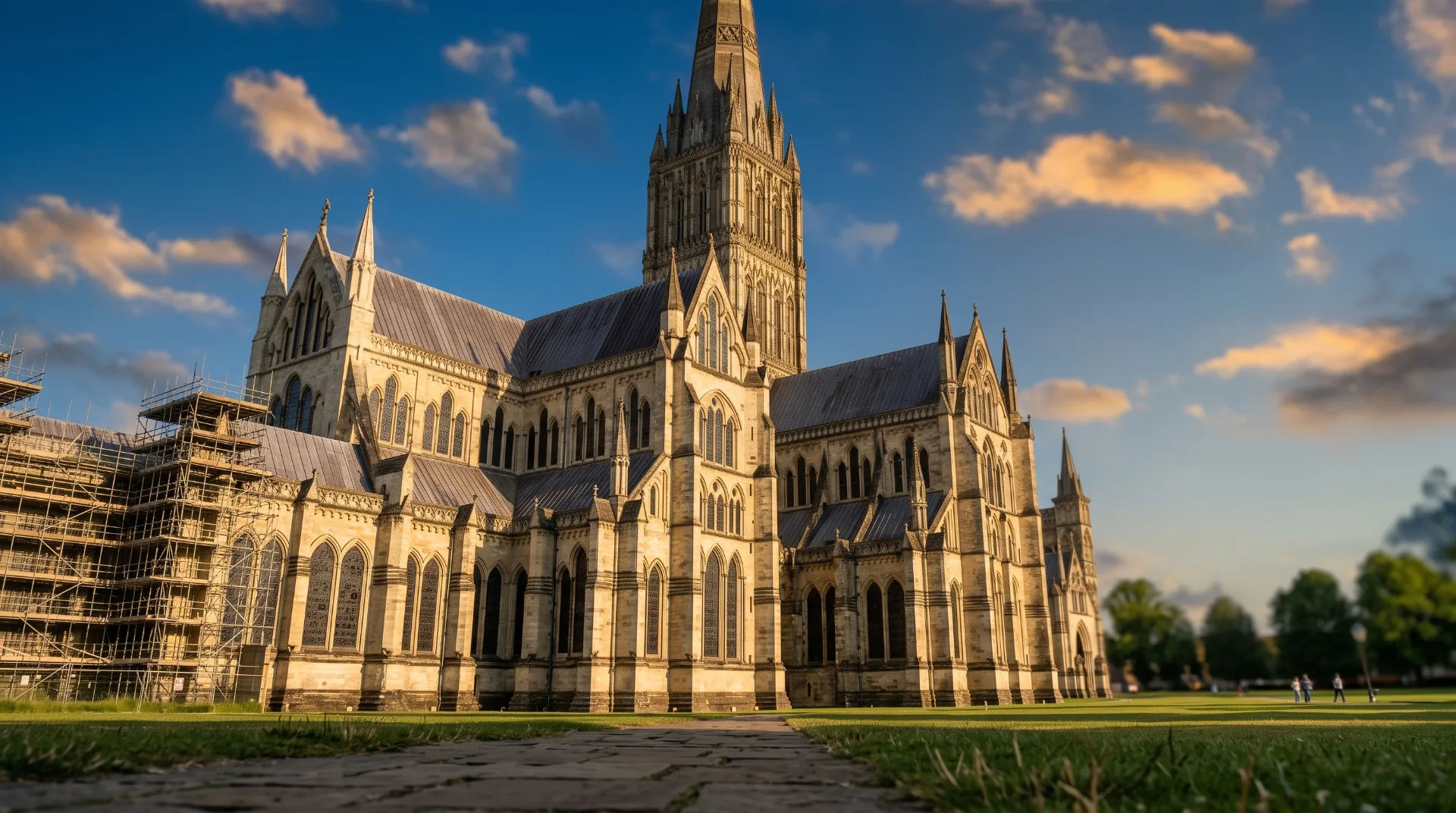
Salisbury’s city centre is dominated by the striking Salisbury Cathedral, which has the tallest church spire in the UK at 123 metres (404 feet). The cathedral’s close, a large green area surrounding the building, provides a peaceful setting and is the heart of the city. The city’s medieval street plan remains largely intact, with narrow lanes and timber-framed buildings alongside Georgian and Victorian architecture.
The city has a quiet, historic atmosphere with a population of around 40,000, offering a slower pace than larger nearby cities like Southampton or Bournemouth. Salisbury’s market square hosts a regular market on Tuesdays, Fridays and Saturdays, selling local produce, crafts and street food. The city blends its rich past with modern amenities, including art galleries, theatres and cafés.
The River Avon runs through Salisbury, adding to the city’s charm with riverside walks and parks. The city is also a gateway to the surrounding Wiltshire countryside and the World Heritage Site of Stonehenge, just 9 miles (14.5 km) to the northwest.
Main shopping streets and markets
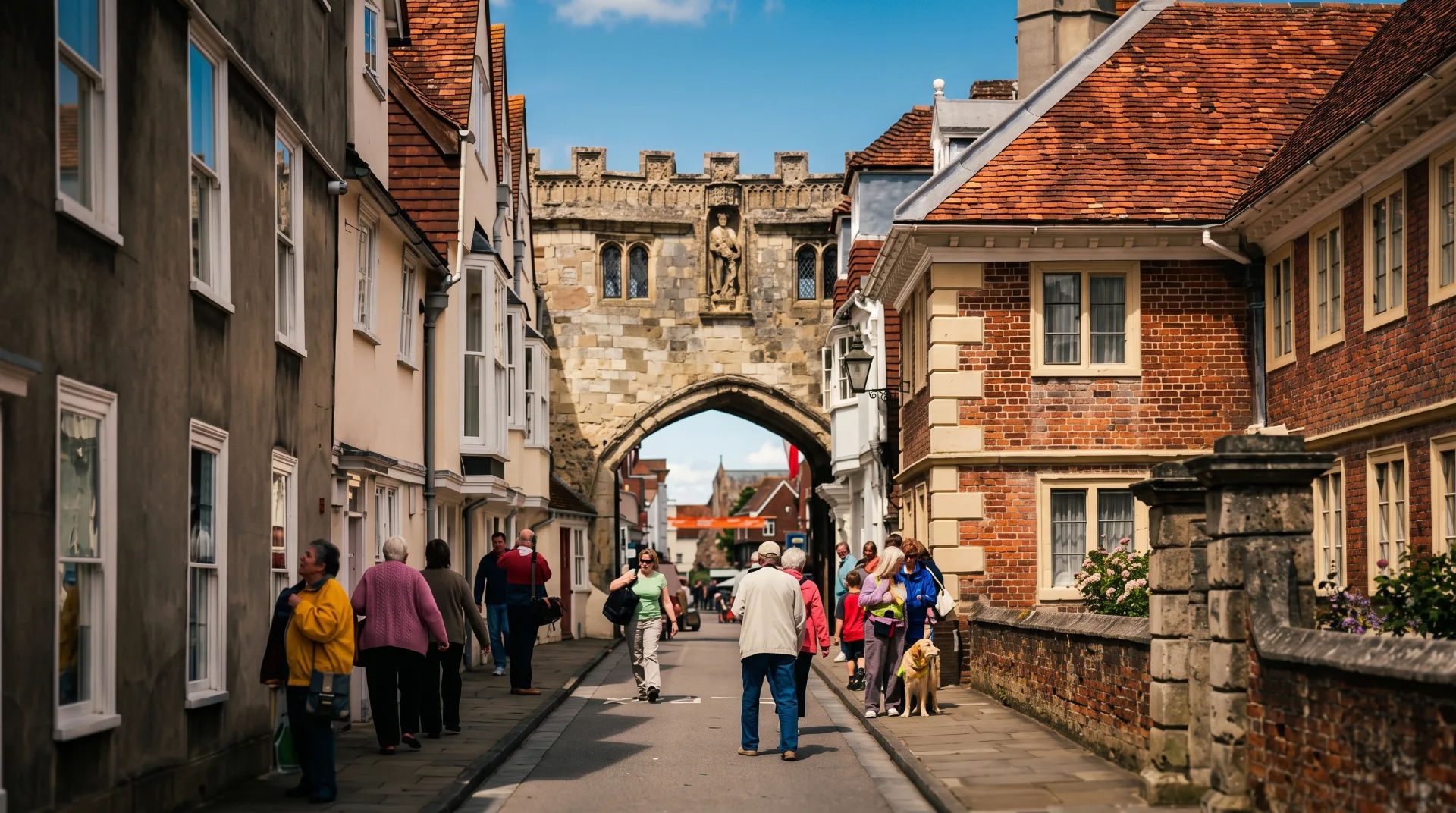
Salisbury’s shopping is centred around the pedestrianised New Canal, Fisherton Street and Blue Boar Row. These streets feature a mix of high street brands and independent retailers, including boutiques, bookshops and artisan food stores. The Maltings Shopping Centre, near the city centre, houses a range of shops and eateries under one roof.
The city’s twice-weekly market takes place in the Market Place, offering fresh fruit and vegetables, flowers, local crafts and street food stalls. Seasonal markets and events, such as Christmas markets and food festivals, add to the shopping experience throughout the year.
For antiques and vintage finds, the Fisherton Mill arts centre and nearby shops provide a selection of unique items alongside galleries and studios showcasing local artists.
Parks, green spaces and riverside walks
Salisbury has several green spaces within walking distance of the city centre. The Cathedral Close is a large, well-maintained park area surrounding the cathedral, ideal for picnics and quiet strolls. Victoria Park, located about 10 minutes’ walk south of the city centre, offers sports facilities, a children’s playground and open lawns.
The River Avon flows through Salisbury, with riverside paths connecting various parks and gardens. The Avon Walkway is a popular route for walkers and cyclists, running for 15 miles (24 km) between Salisbury and Christchurch, passing through peaceful countryside and villages.
Just outside the city, the Queen Elizabeth Gardens provide formal flowerbeds and riverside views, while Harnham Water Meadows, a nature reserve, is known for its wildflowers and birdwatching opportunities.
Eating and drinking in Salisbury
Salisbury offers a diverse food and drink scene, with options ranging from traditional English pubs to contemporary restaurants. Many establishments focus on local and seasonal ingredients, reflecting the surrounding Wiltshire countryside.
The city centre has several historic pubs, such as The Haunch of Venison on St Thomas’s Square, dating back to the 14th century, offering real ales and classic pub fare. For fine dining, restaurants like The Chapter House provide modern British cuisine in a historic setting near the cathedral.
Cafés and tea rooms are plentiful, with places such as The Cosy Club and The Salisbury Coffee House popular for breakfast and light lunches. International cuisine is also available, including Italian, Indian and Japanese restaurants scattered around the city centre.
Regular food events and farmers’ markets showcase local producers and seasonal specialities, contributing to Salisbury’s growing reputation as a food destination.
Who Salisbury suits as a destination
Salisbury suits visitors interested in history, architecture and a quieter city experience. The compact city centre is easy to explore on foot, making it suitable for older visitors or families with children. The cathedral is a major draw for those interested in medieval art, stained glass and religious heritage.
Outdoor enthusiasts can use Salisbury as a base for exploring the surrounding countryside, including the Salisbury Plain and Stonehenge. The city’s riverside walks and parks offer accessible green spaces for all ages.
Salisbury also appeals to shoppers looking for a mix of high street and independent stores, as well as those seeking cultural experiences such as theatre, galleries and live music.
Getting to Salisbury and practical information
Salisbury is well connected by road and rail. Salisbury railway station is about a 15-minute walk south of the city centre, with direct trains to London Waterloo taking around 90 minutes. Regular services also run to Southampton, Bristol and Exeter.
By road, Salisbury lies just off the A36, which links to the M27 and M3 motorways. Parking is available in several city centre car parks, including the Central Car Park and St Edmund’s Church car park, with charges varying by location and duration.
The city has a range of accommodation options, from hotels and guesthouses to self-catering apartments. For longer stays, serviced apartments on the nearby West Cliff in Bournemouth provide a convenient alternative within a 30-minute drive.
Salisbury’s climate is temperate, with mild summers and cool winters. The best time to visit is between late spring and early autumn when outdoor attractions and walks are most enjoyable.
Further exploration from Salisbury
Salisbury is a gateway to several notable destinations in Wiltshire and beyond. The World Heritage Site of Stonehenge is accessible by car or organised tours from the city, offering insight into prehistoric Britain.
Nearby Wilton House, a stately home with extensive gardens, lies about 3 miles (5 km) west of Salisbury. The city is also close to the New Forest National Park, approximately 20 miles (32 km) to the south, known for its ancient woodland and wild ponies.
For cultural activities, Salisbury’s theatres and galleries regularly host exhibitions, performances and festivals, which are listed on the local What’s On calendar. Visitors can also explore the city’s museums, including the Salisbury Museum, which focuses on local archaeology and history.
For more outdoor activities and coastal visits, the Things to Do section includes options in Bournemouth and along the south coast.