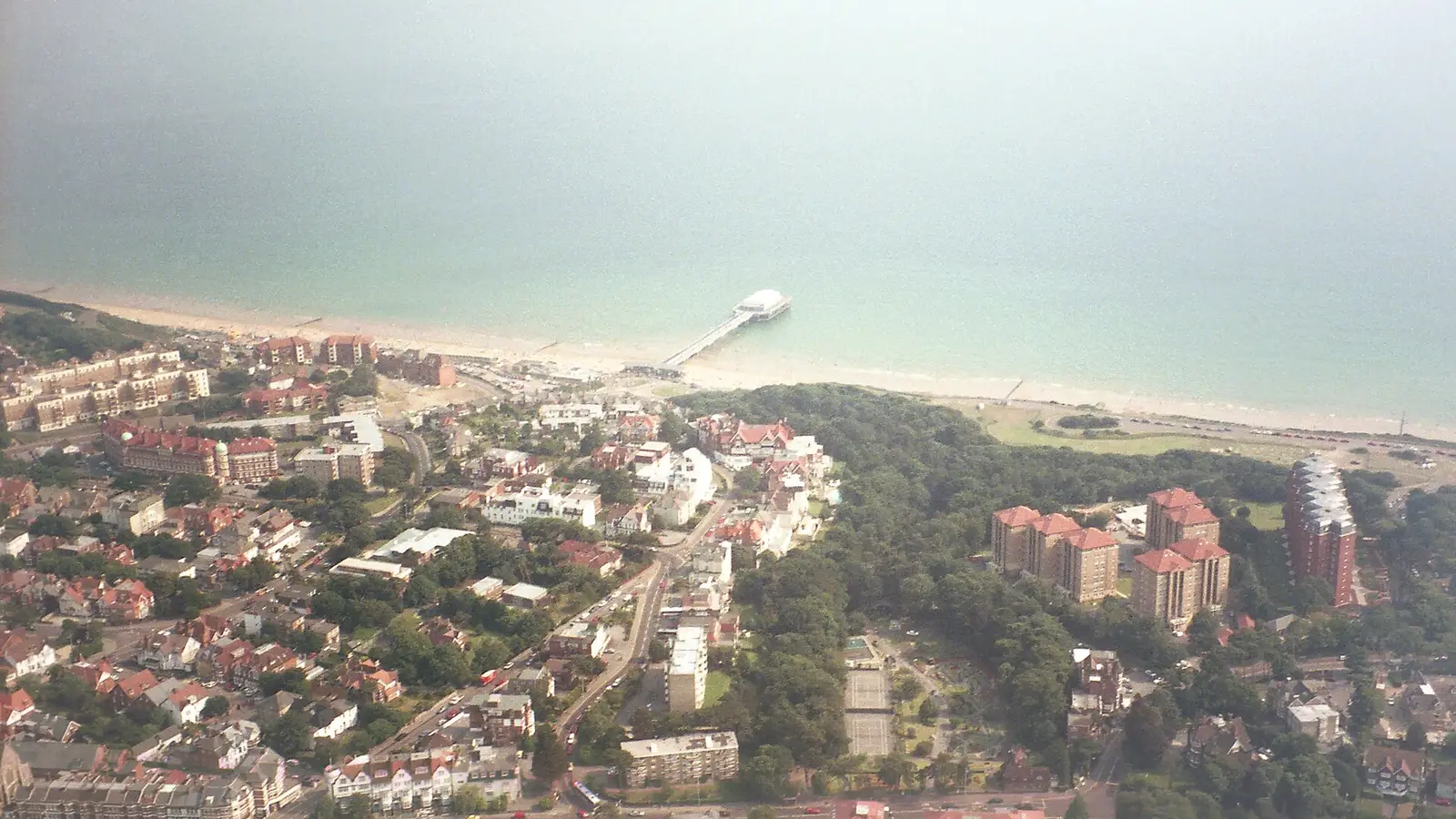
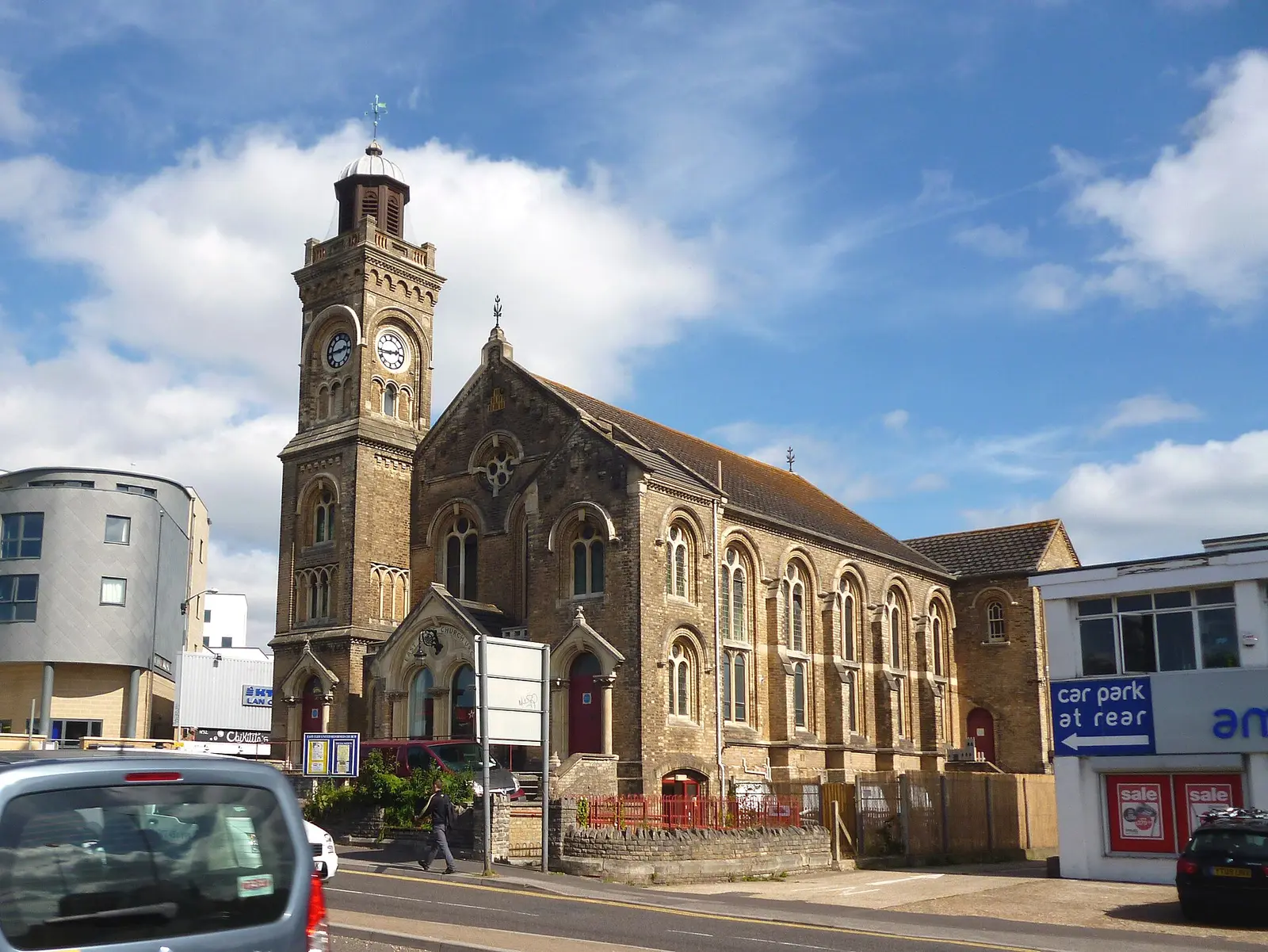
Bournemouth is unusually compact for a town with this much coastline. From most of the central neighbourhoods you can reach a Victorian pier, a set of landscaped gardens and a clifftop museum on foot, which changes how you use a stay here. You stop planning days out and start filling gaps. What follows is the full picture: the town-centre cluster everyone reaches on their first morning, the watersports and coast paths either side of it, the day trips worth the extra half-hour, and the honest answer on rain, budget and how many days you actually need.
The town-centre cluster
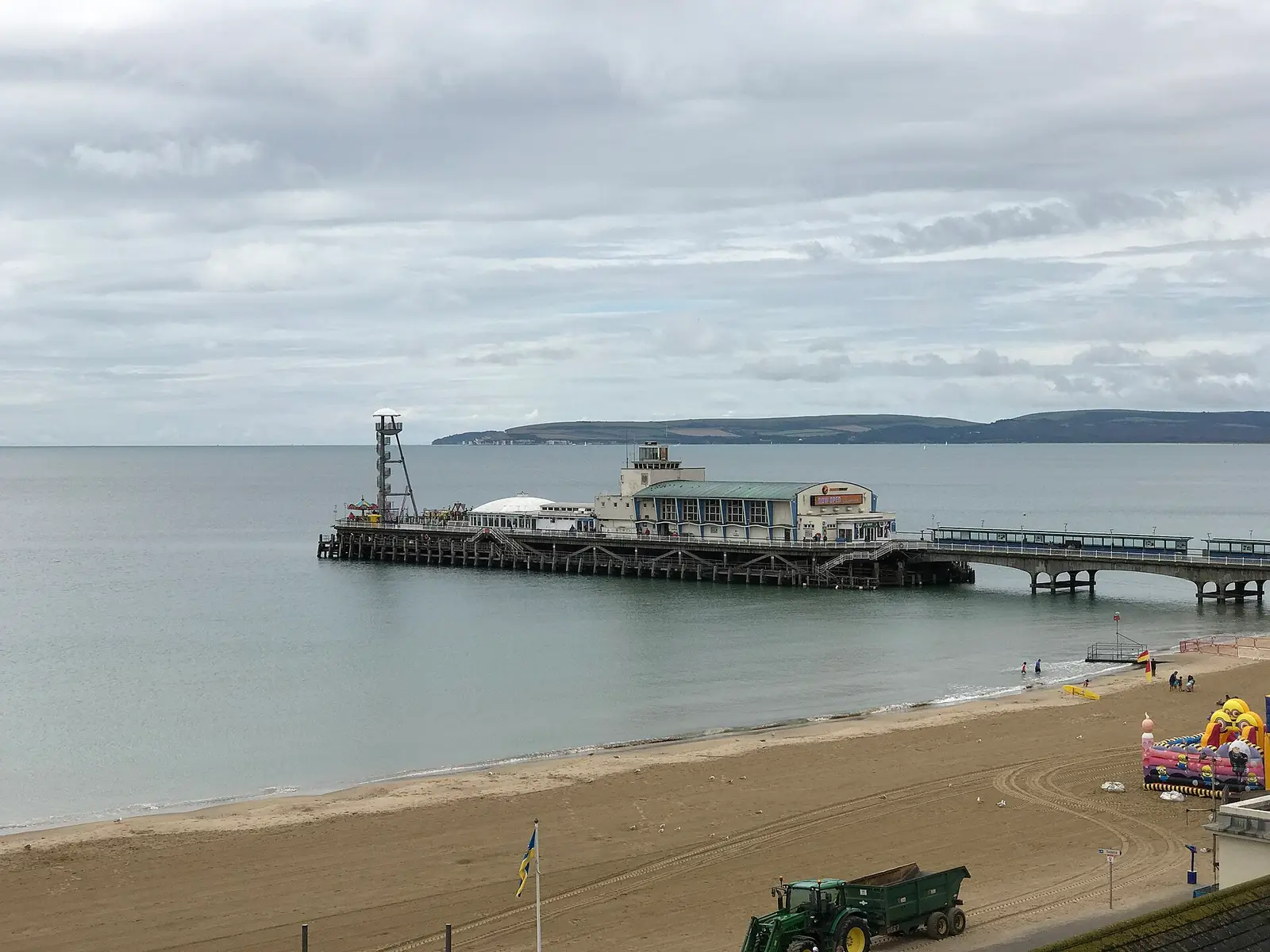
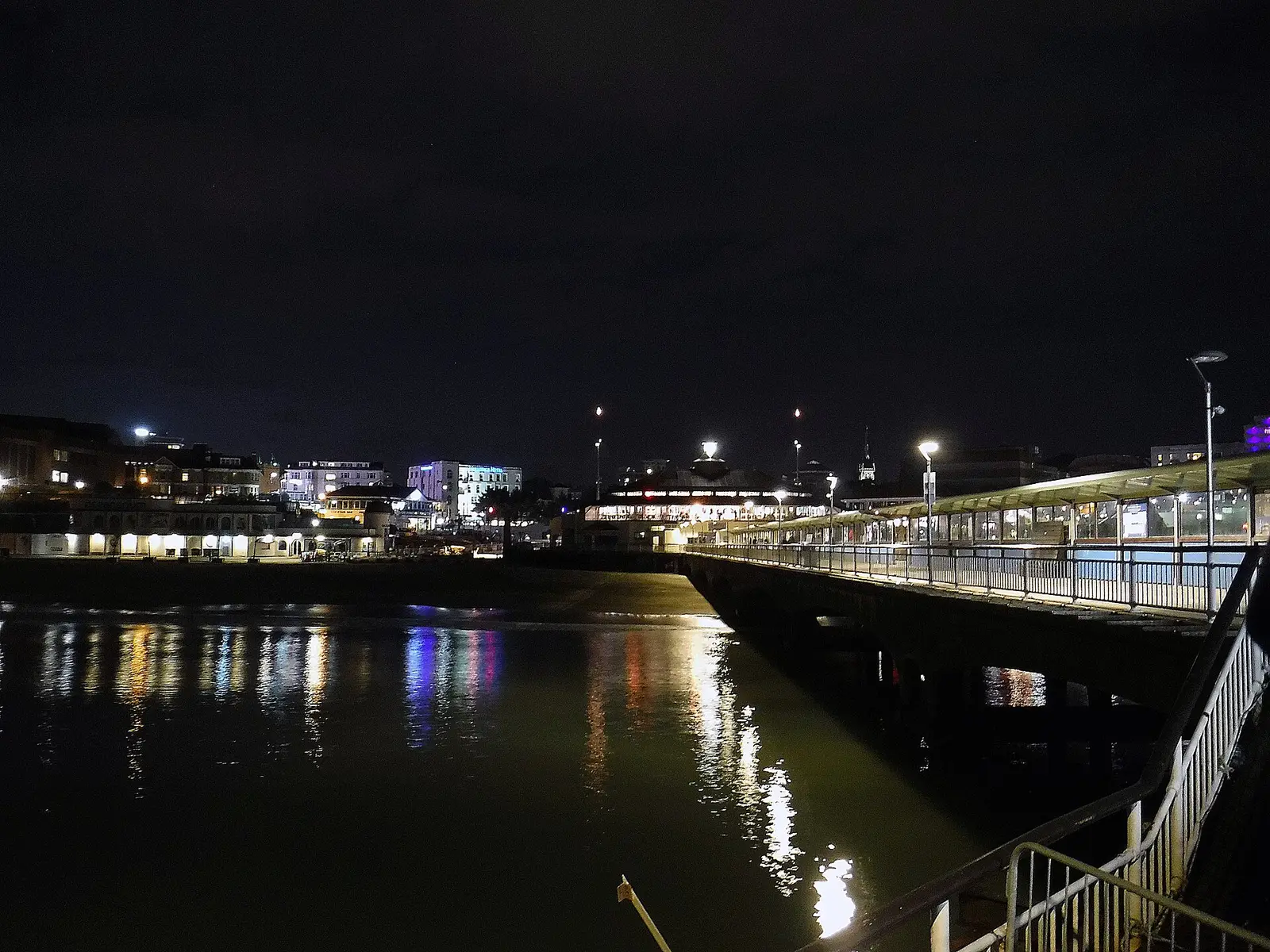
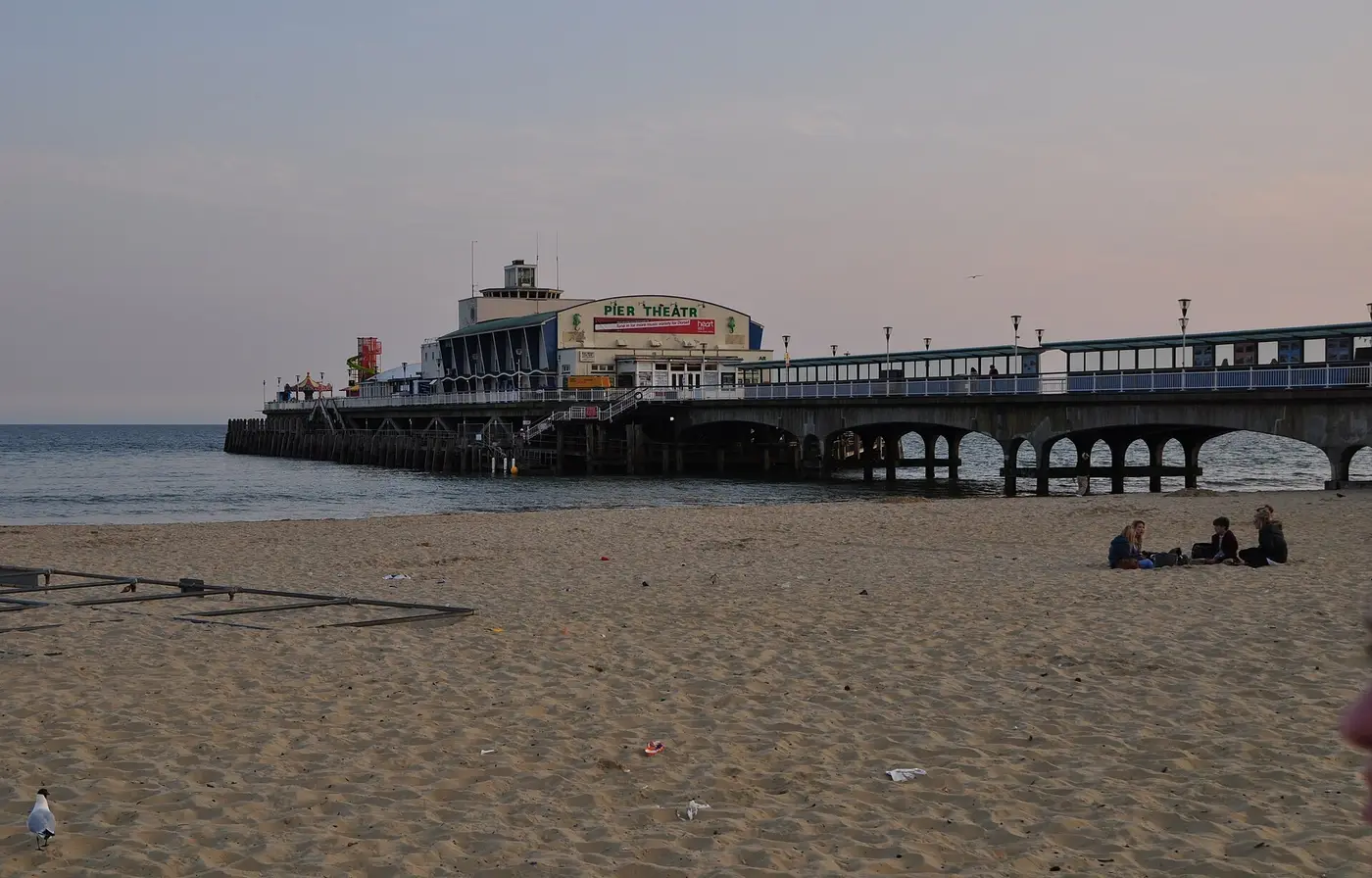
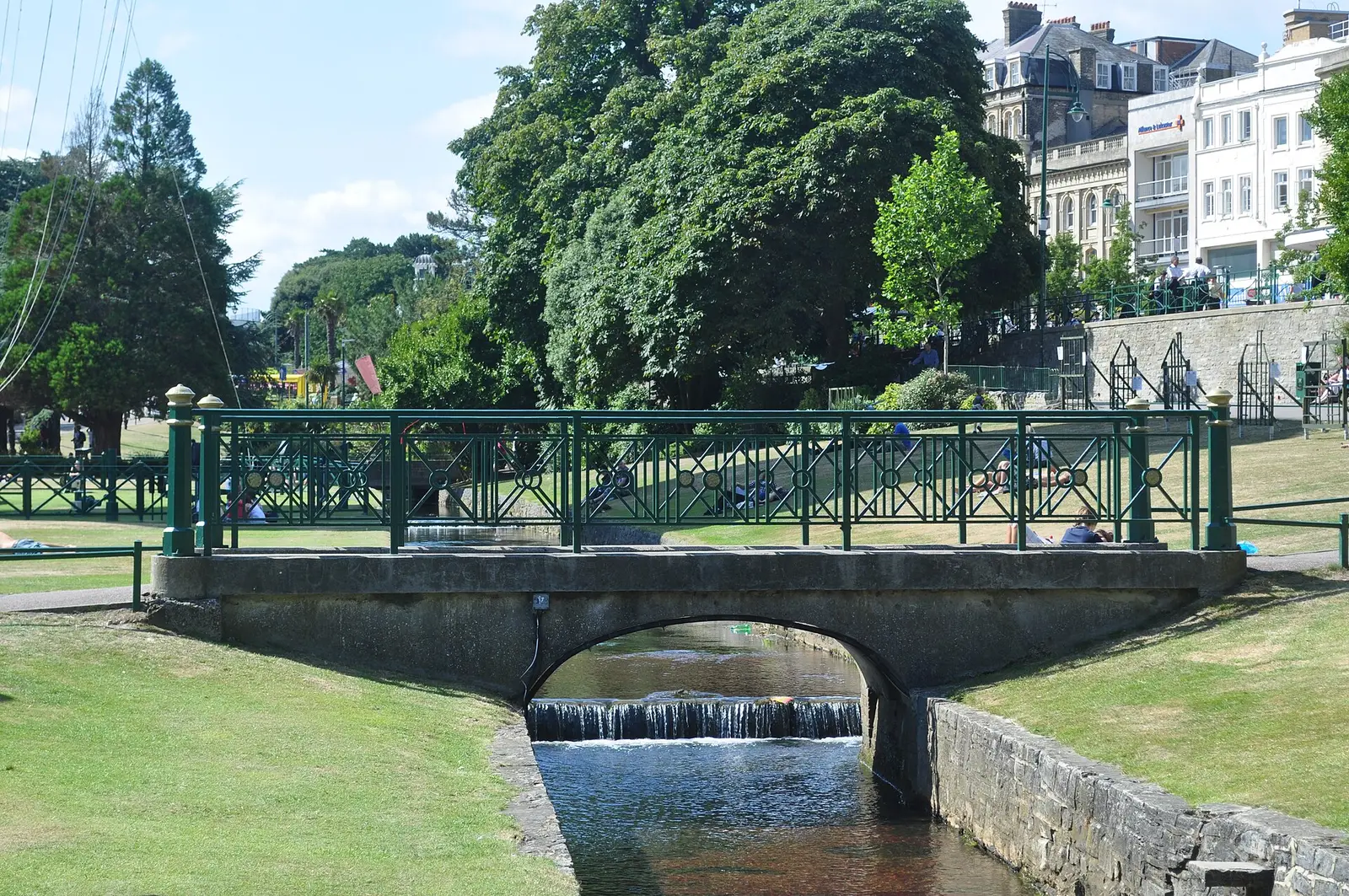
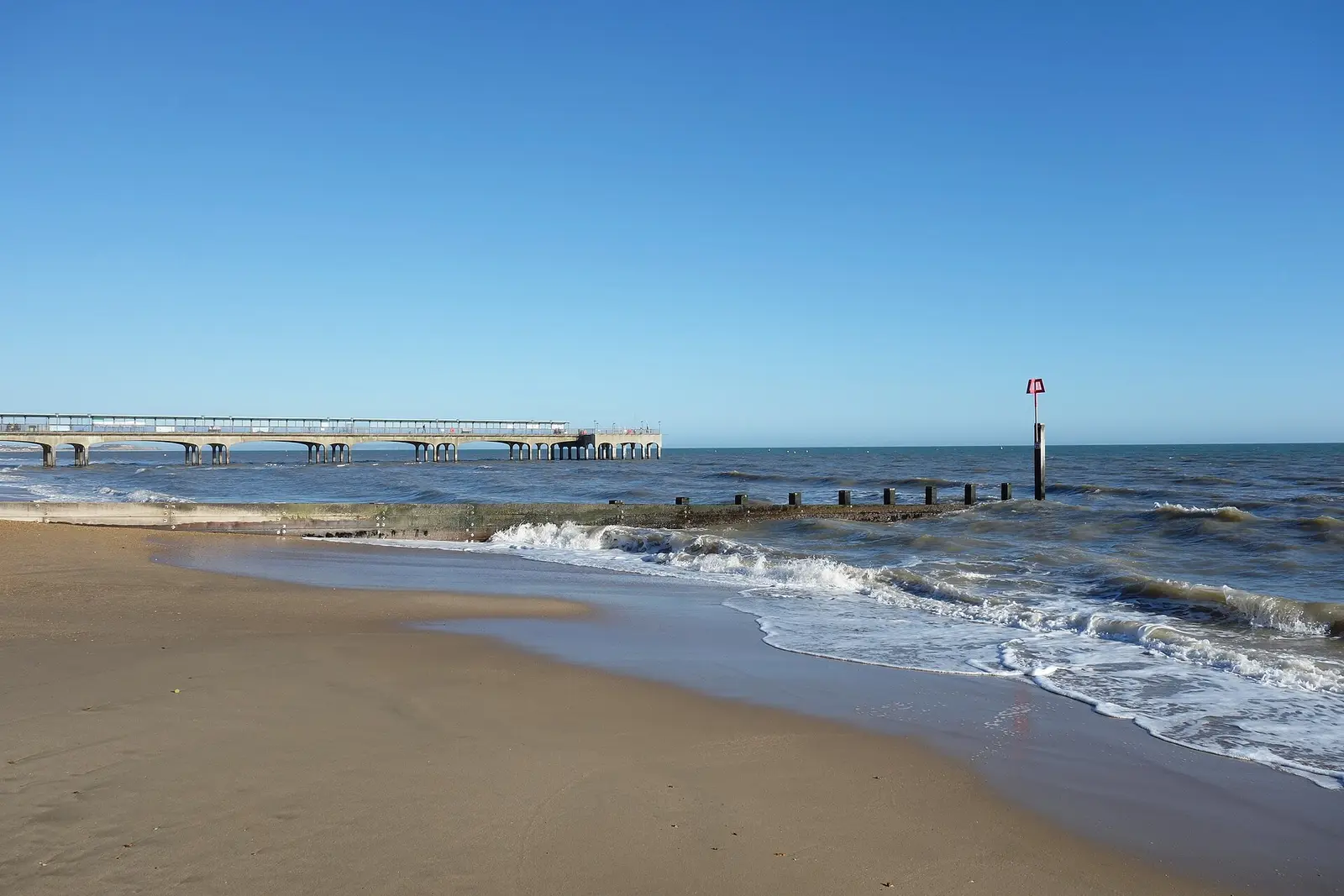
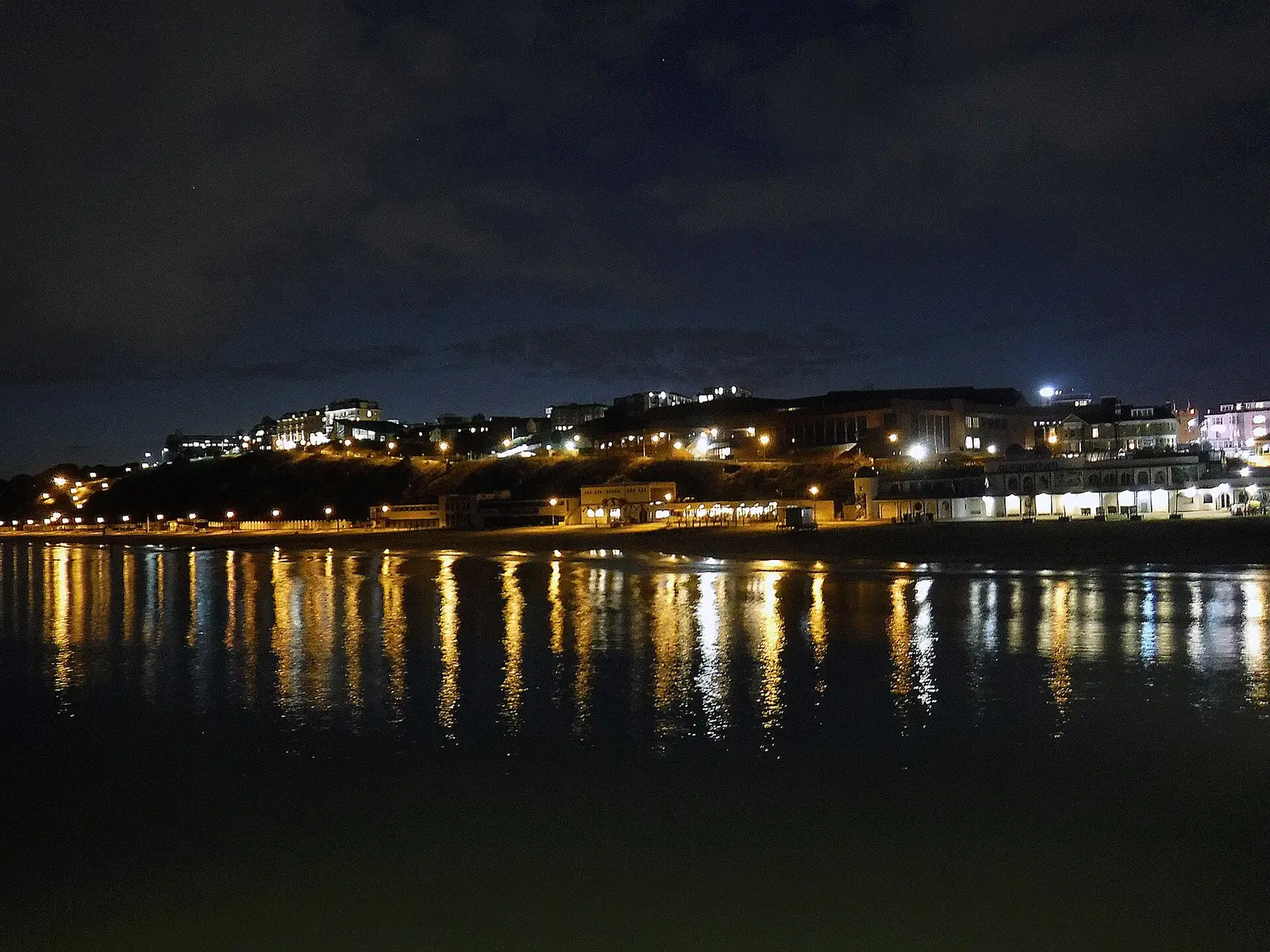
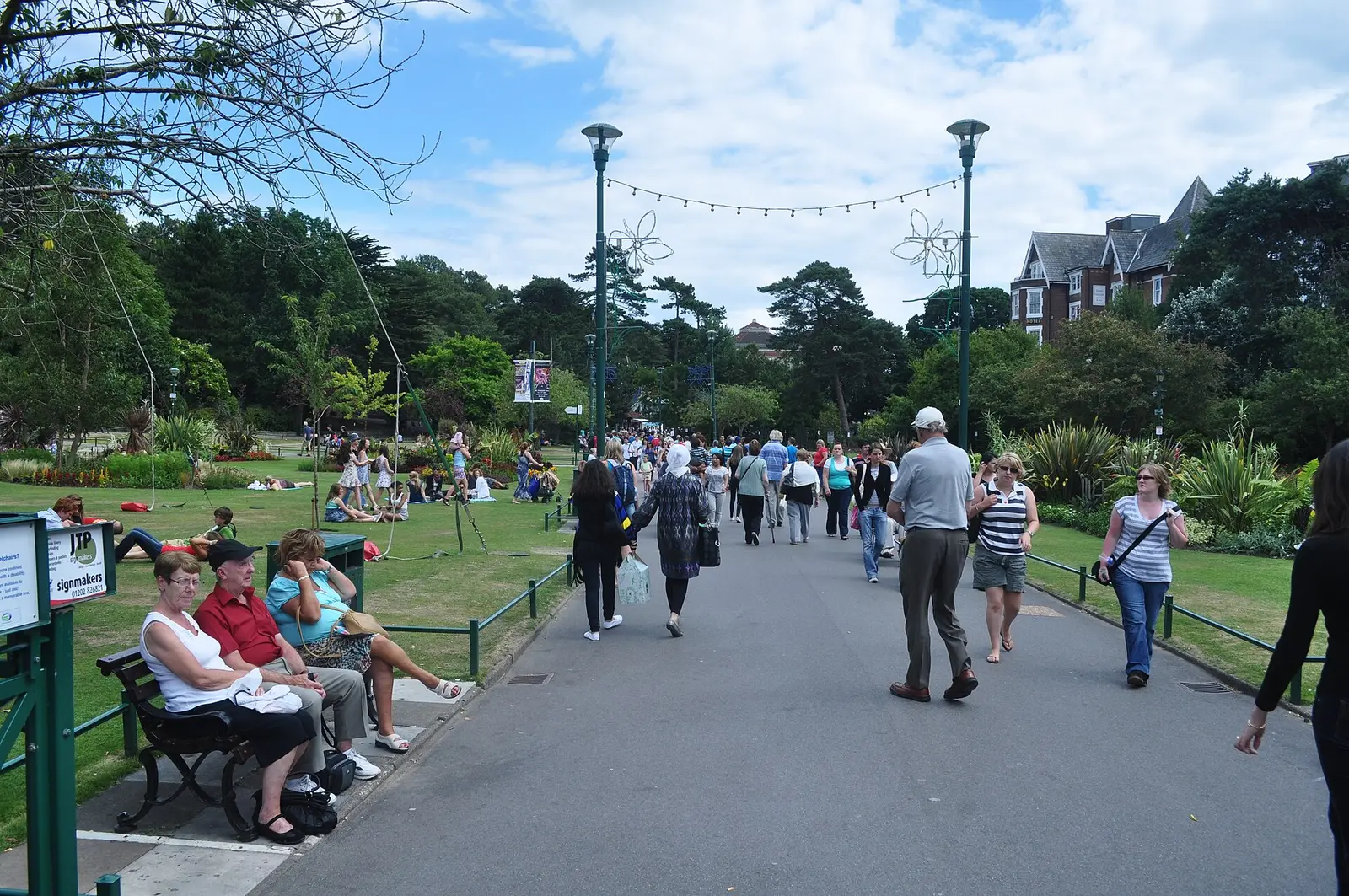
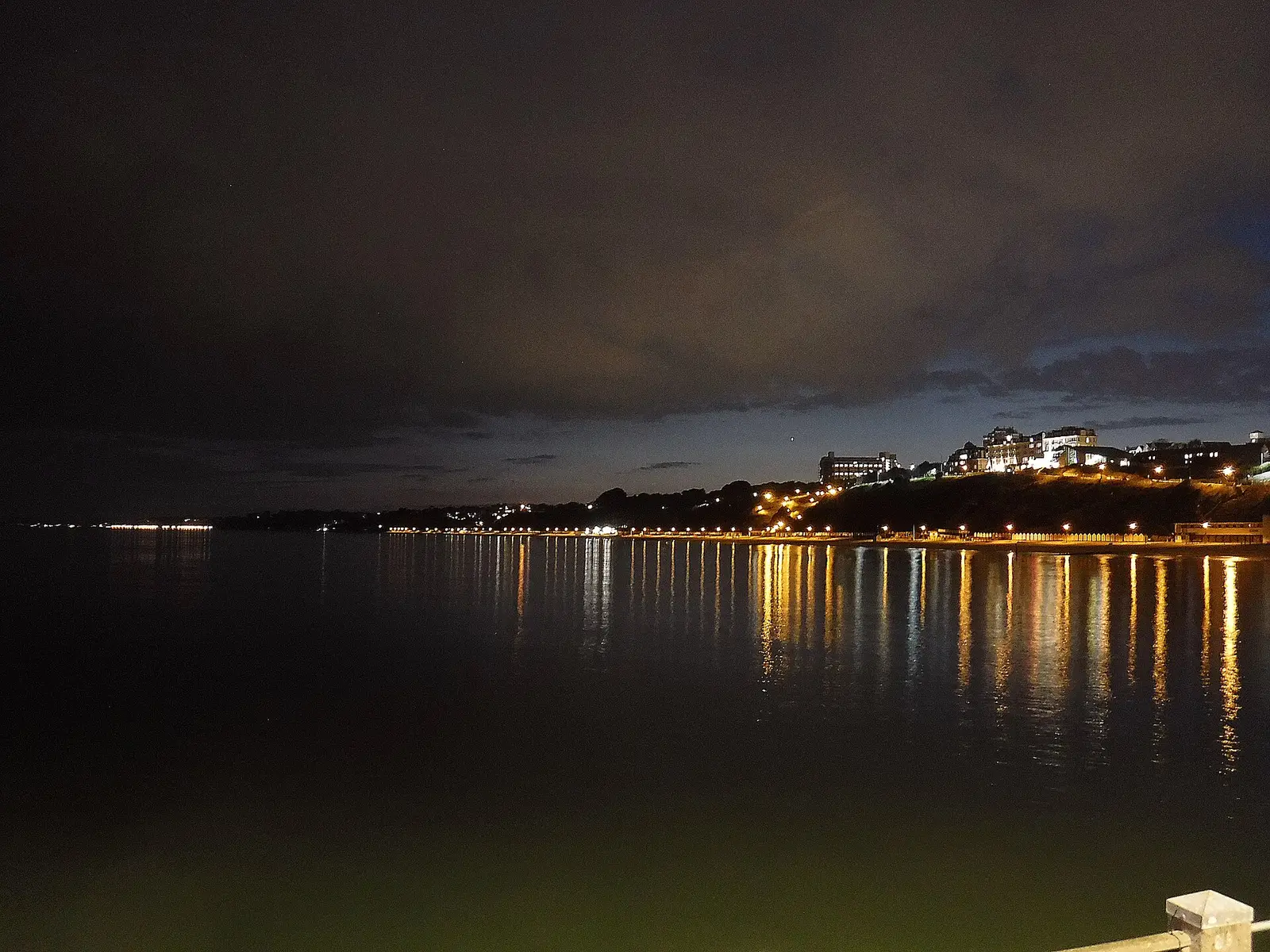
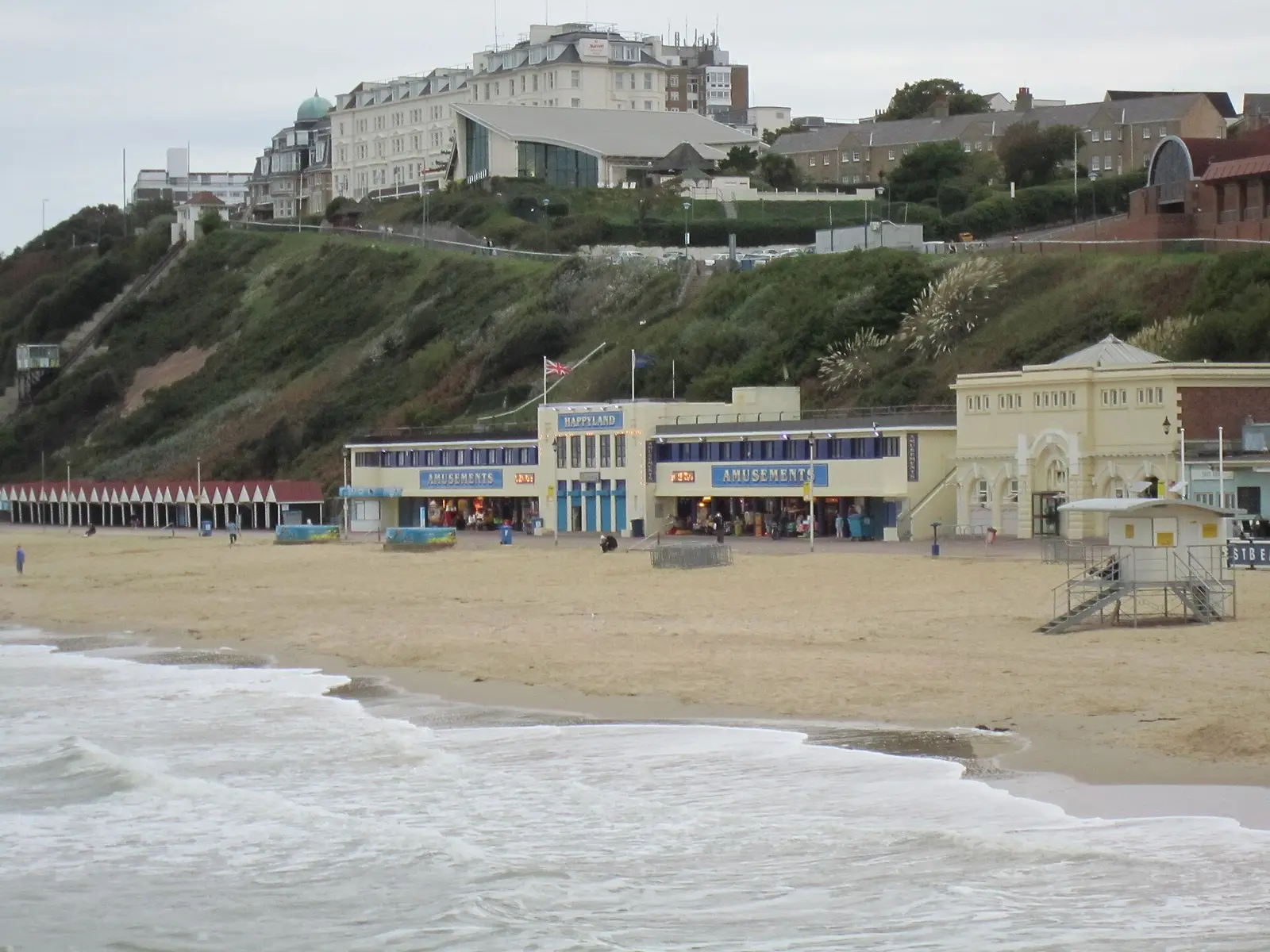
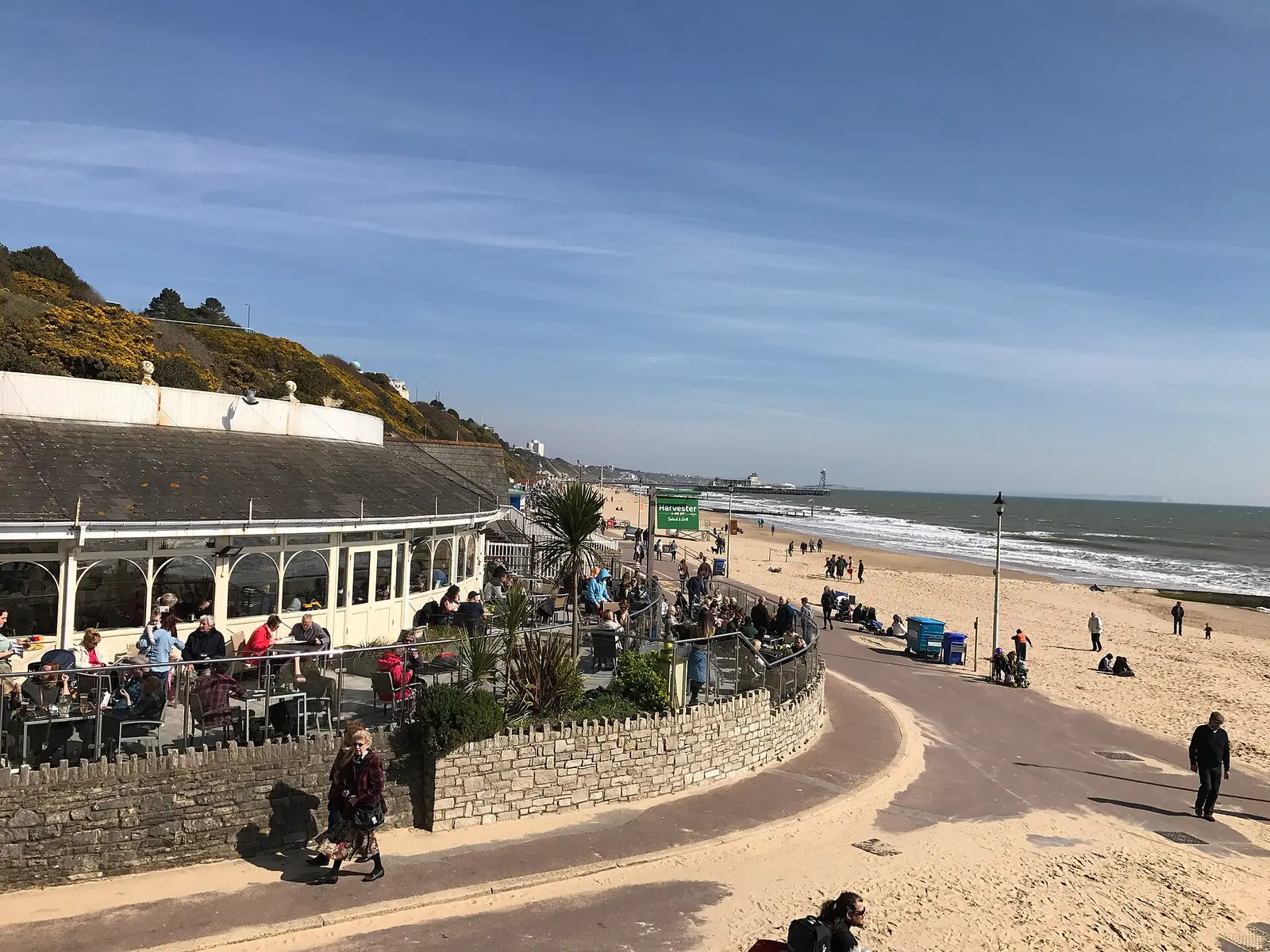
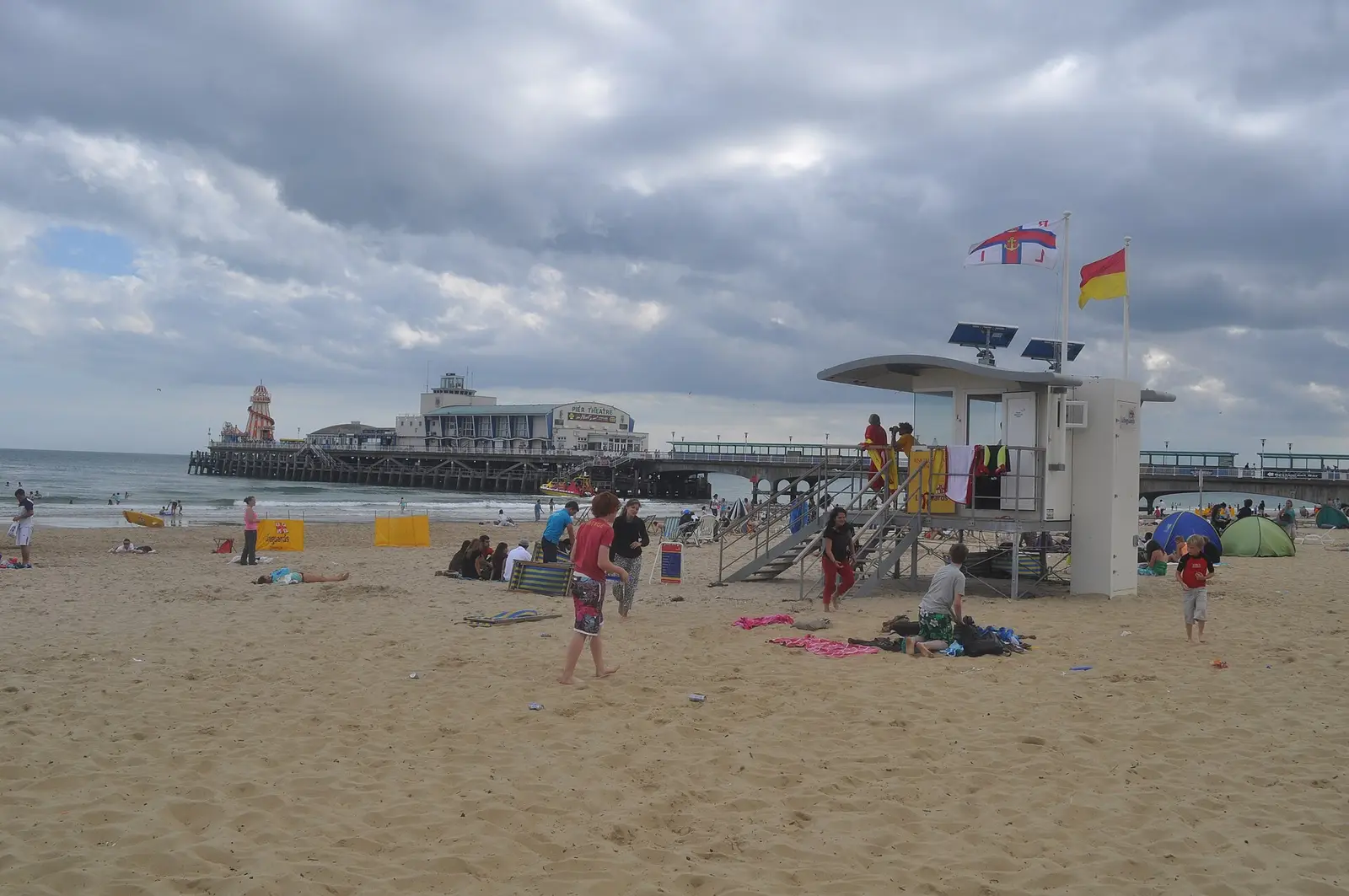
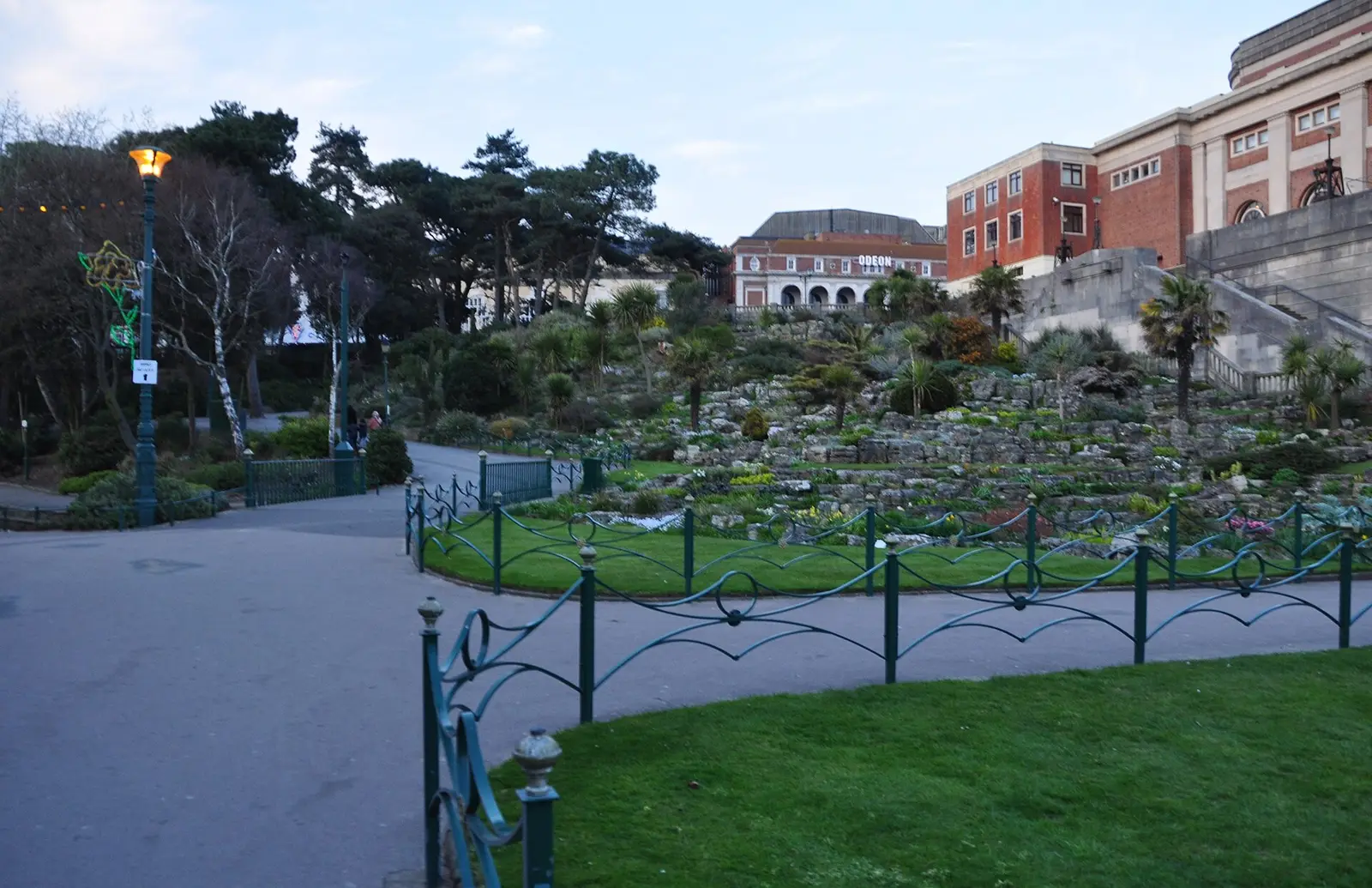
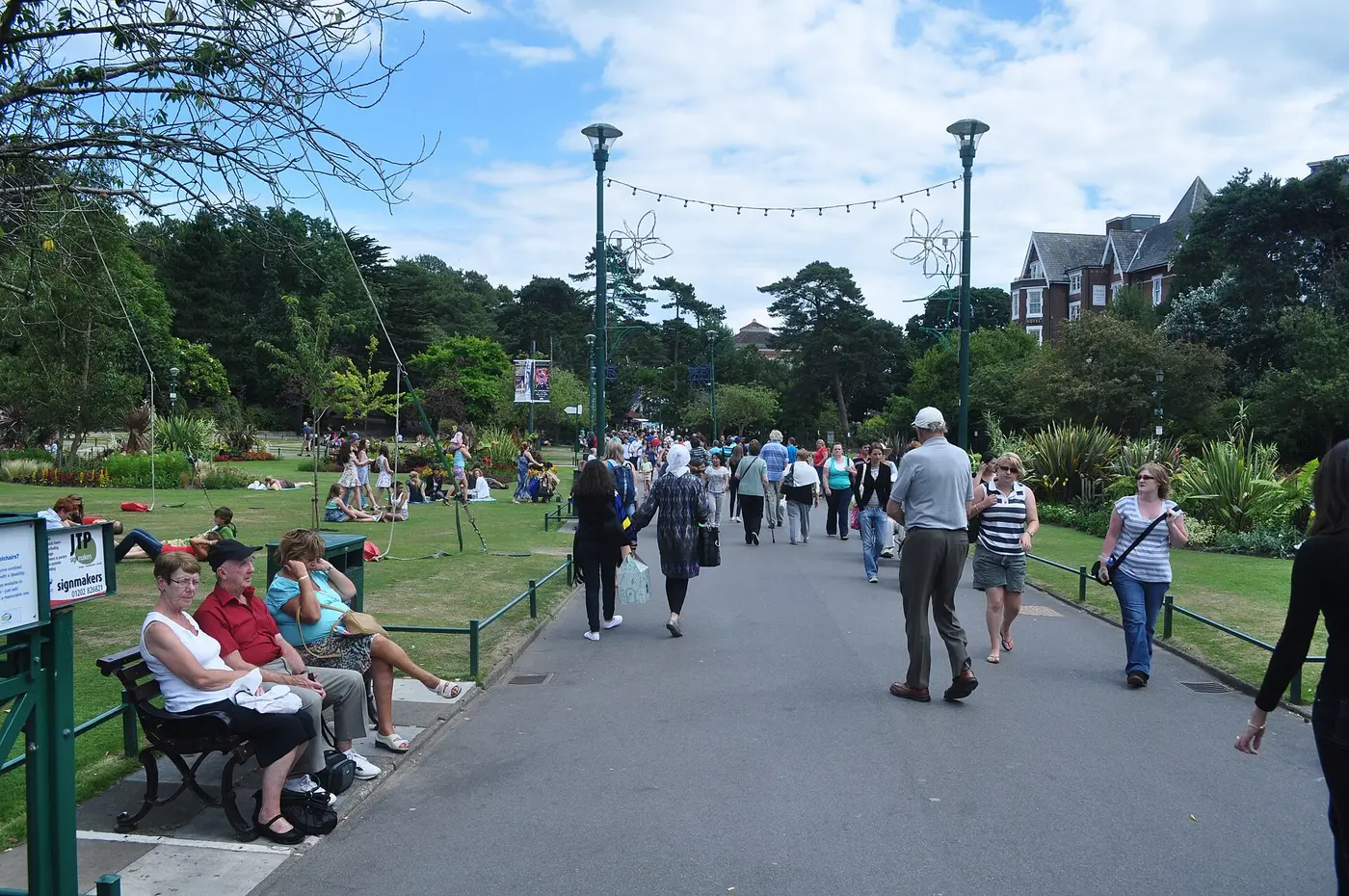
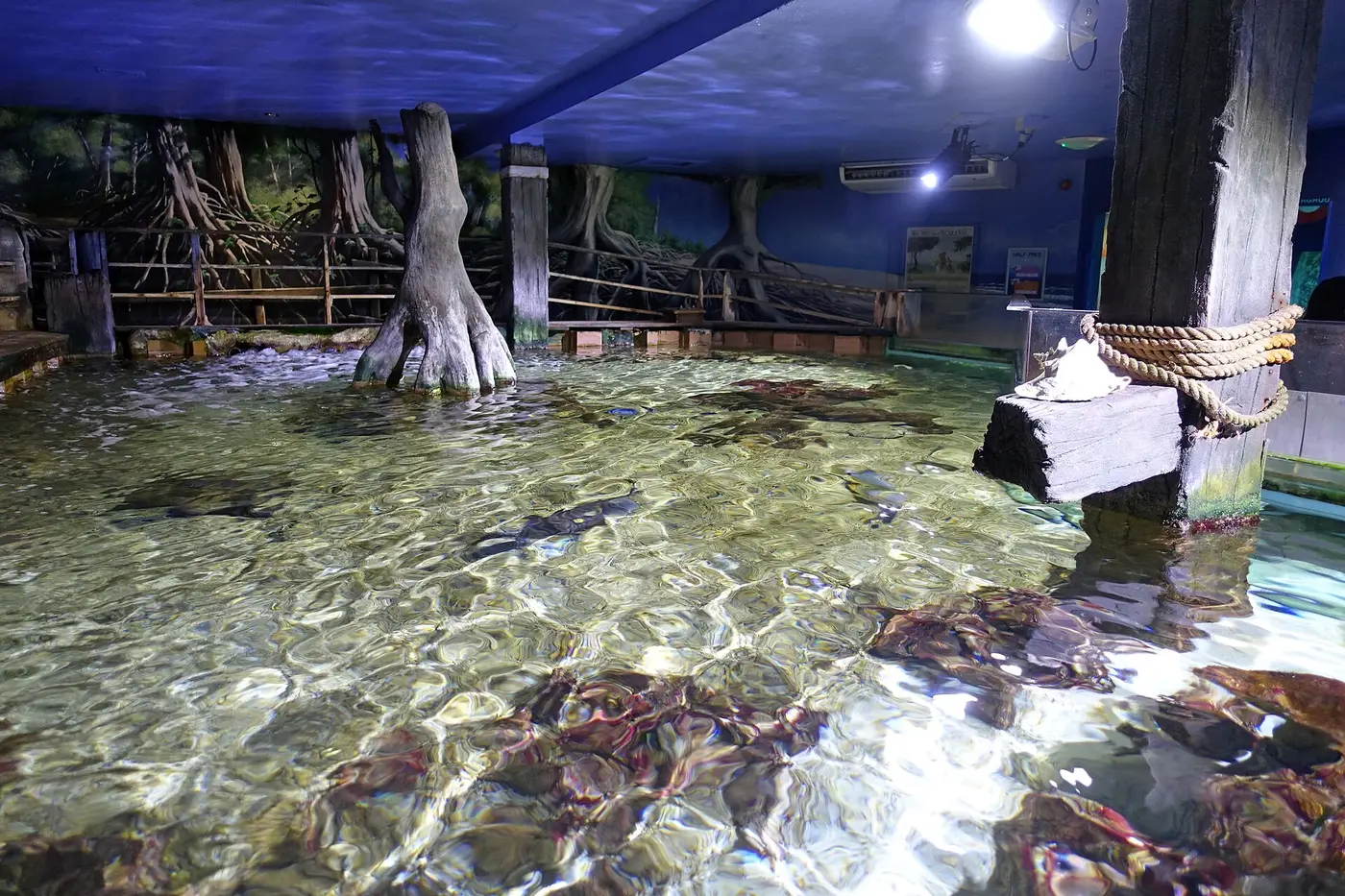
The pier, the Oceanarium and the Russell-Cotes museum sit within about a twenty-minute walk of each other, connected by the Lower Gardens, which run inland from the seafront in a long green valley laid out by the Victorians in 1871 and still Grade II-listed. Bournemouth Pier itself is free to walk end to end, day or night, and carries more than a view: RockReef, built into the old pier theatre, has climbing walls, a drop slide and a rope course that run regardless of weather, and PierZip sends you back to the sand on a 250-metre line from the pier head. At its landward end, the Oceanarium walks you through eleven themed zones, Poole Bay reefs to Amazon rainforest to a coral shipwreck tunnel, with sharks, a sea turtle, penguins and hands-on touch pools, and it is step-free throughout, so it doubles as the town’s most dependable wet-weather plan.
Above East Cliff, the Russell-Cotes Art Gallery & Museum is the one visitors don’t expect: a Victorian clifftop villa built as a birthday gift and still furnished with the paintings and treasures its owners brought home from their travels, rather than a conventional civic collection. It has ground-floor access, a café and a garden, though it does not open every day: check before building a visit around it. Inland from the pier, the gardens keep going: the Central Gardens and Upper Gardens continue the same green valley toward the Square, all flat, step-free and free to walk.
Watersports, piers and the coast either side
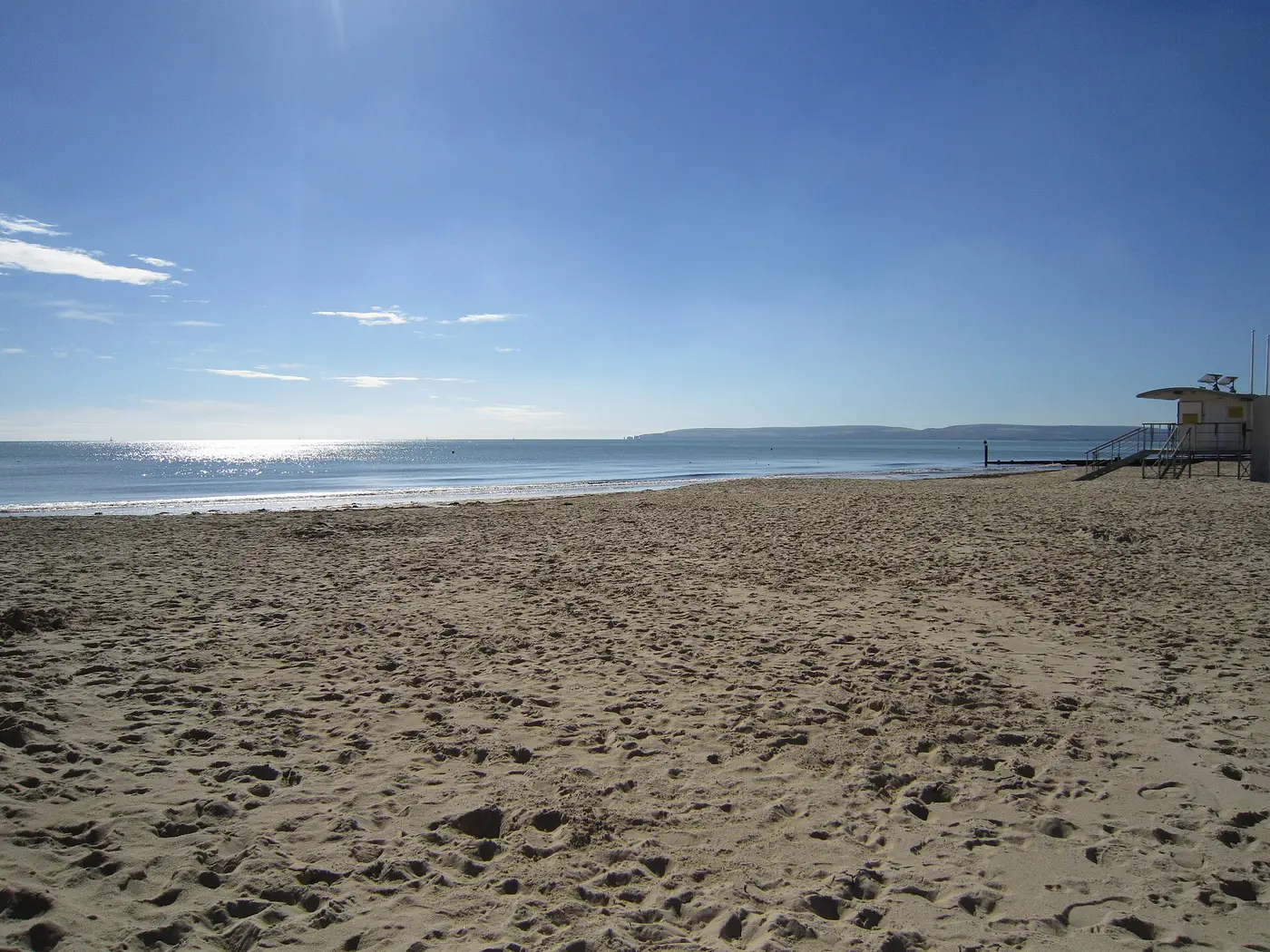
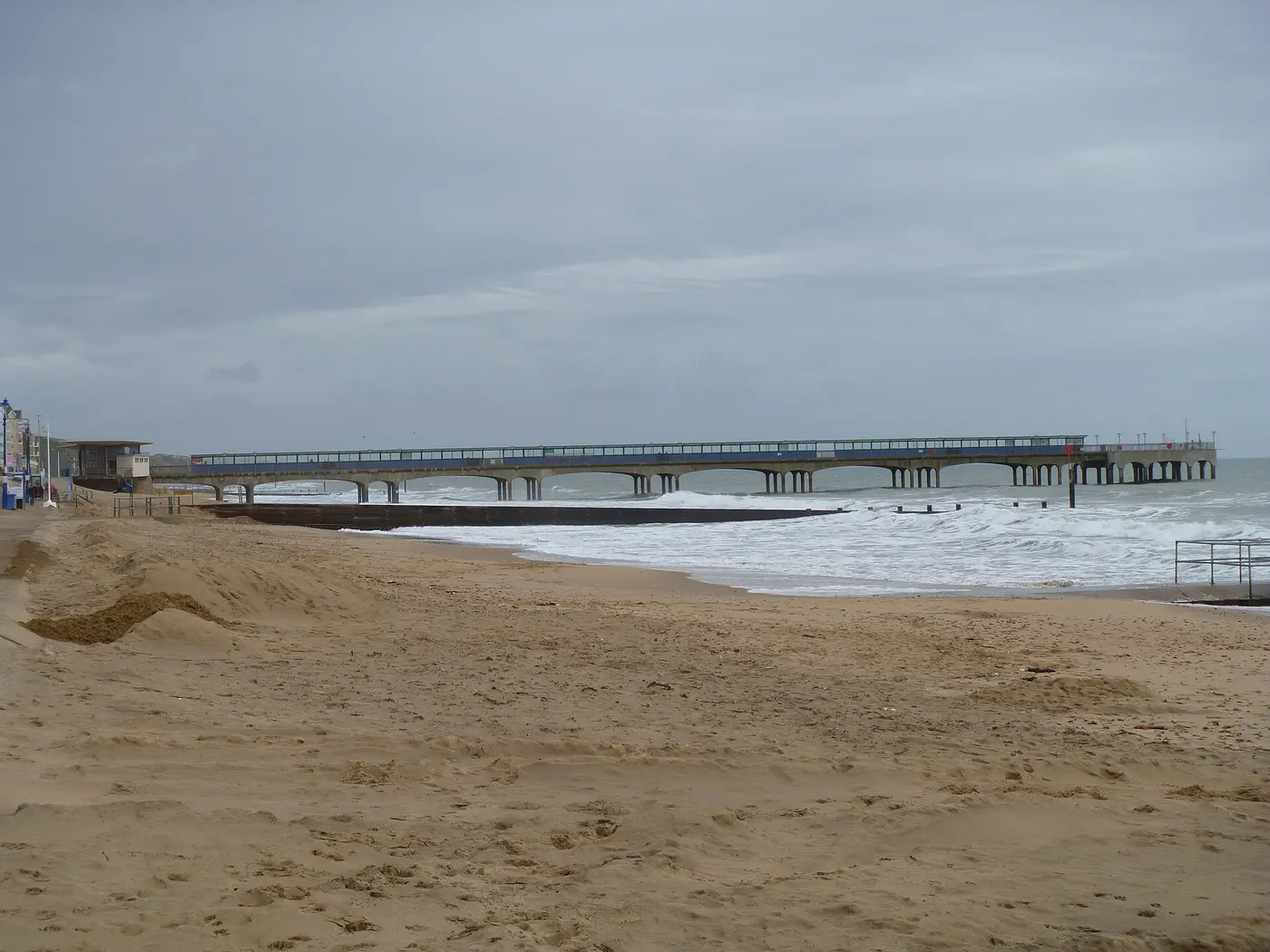
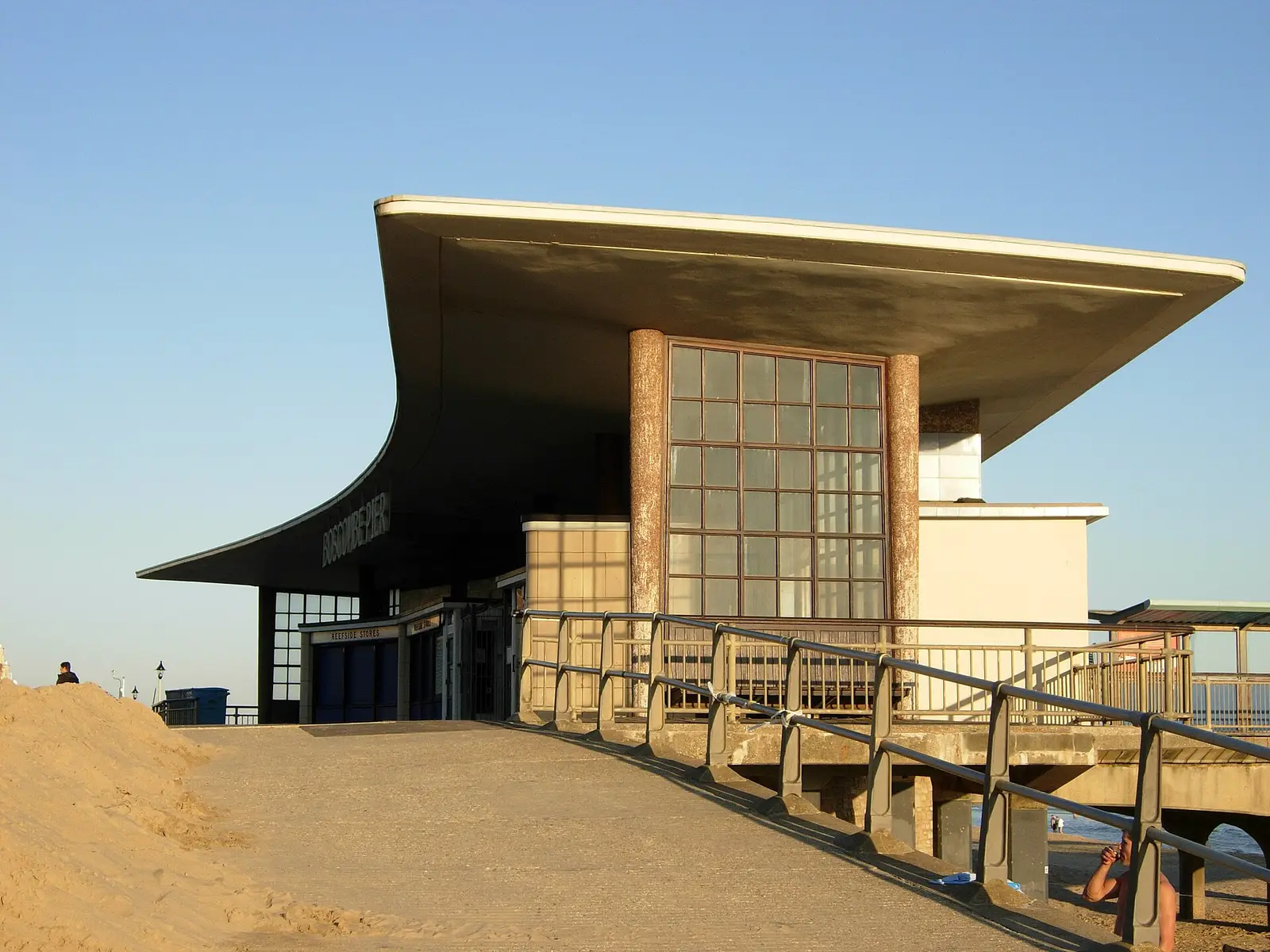
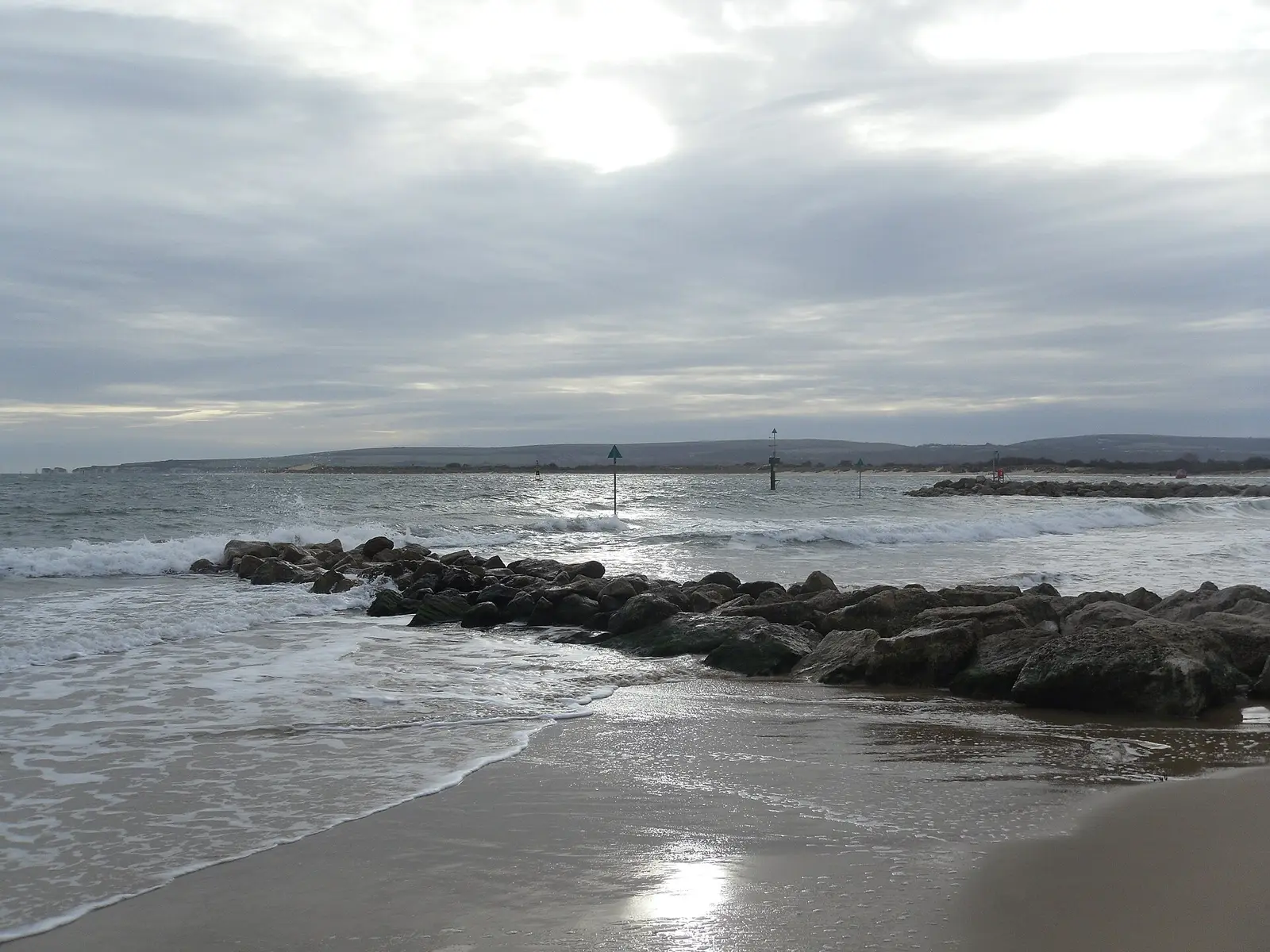
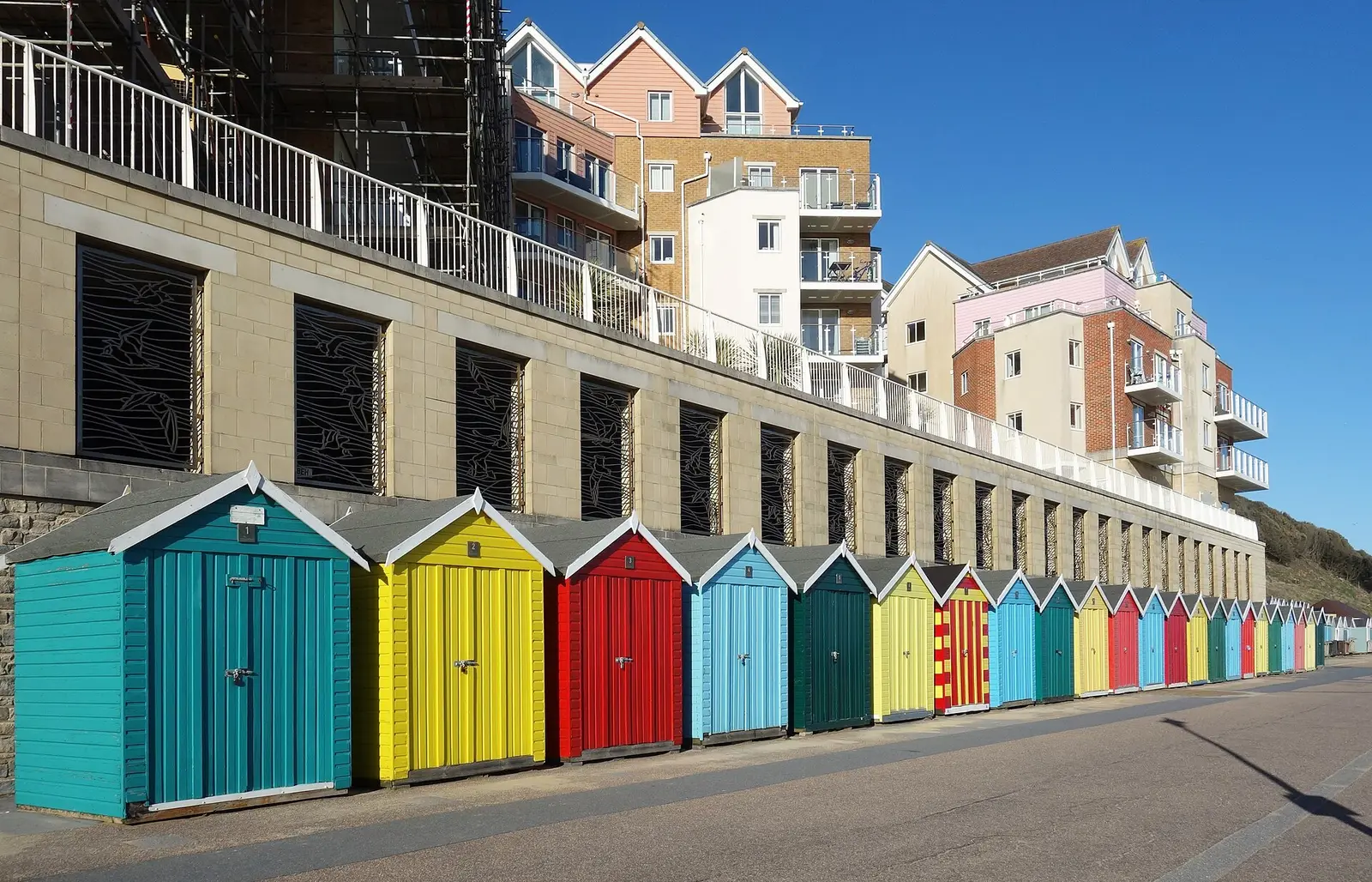
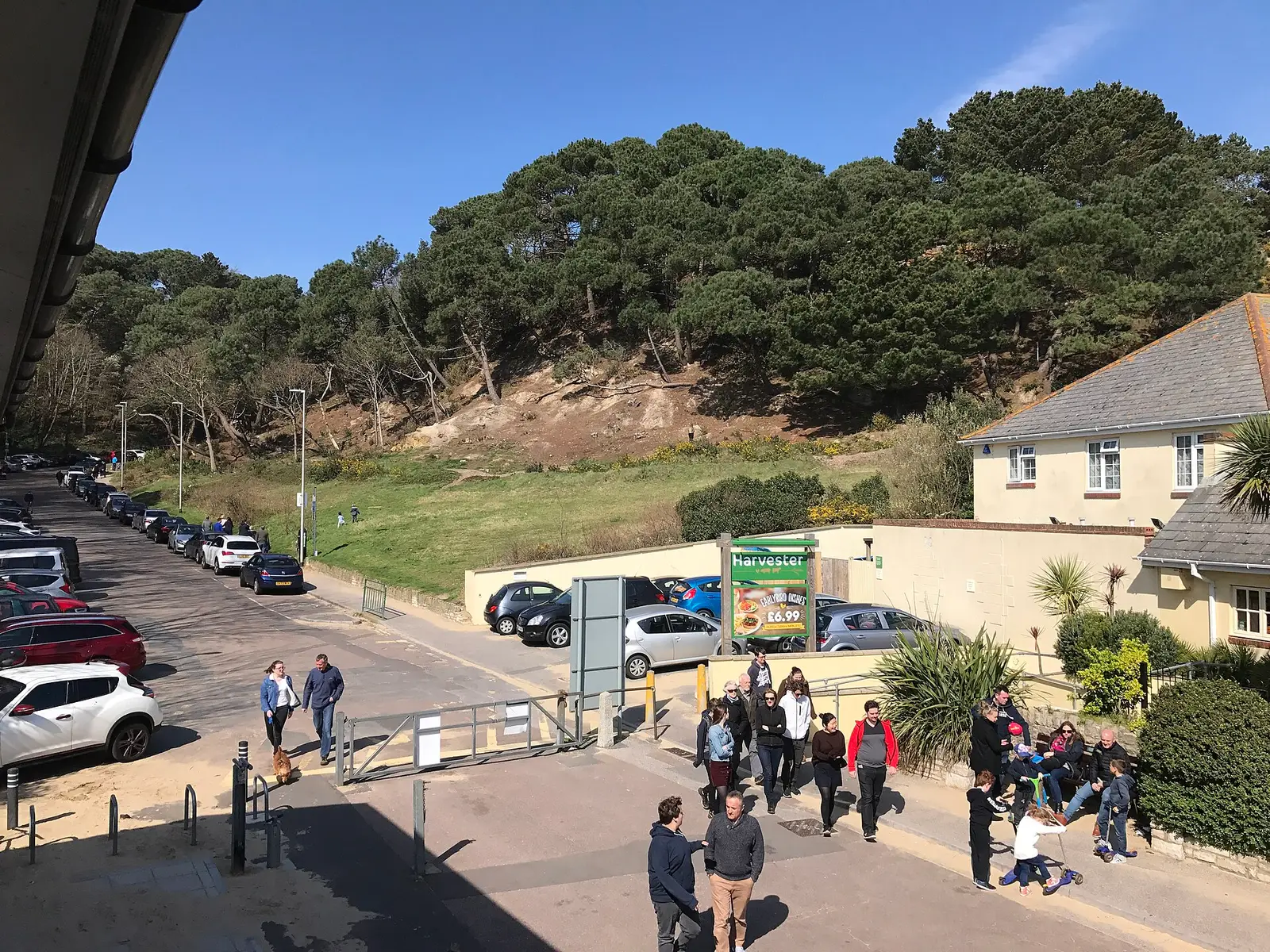
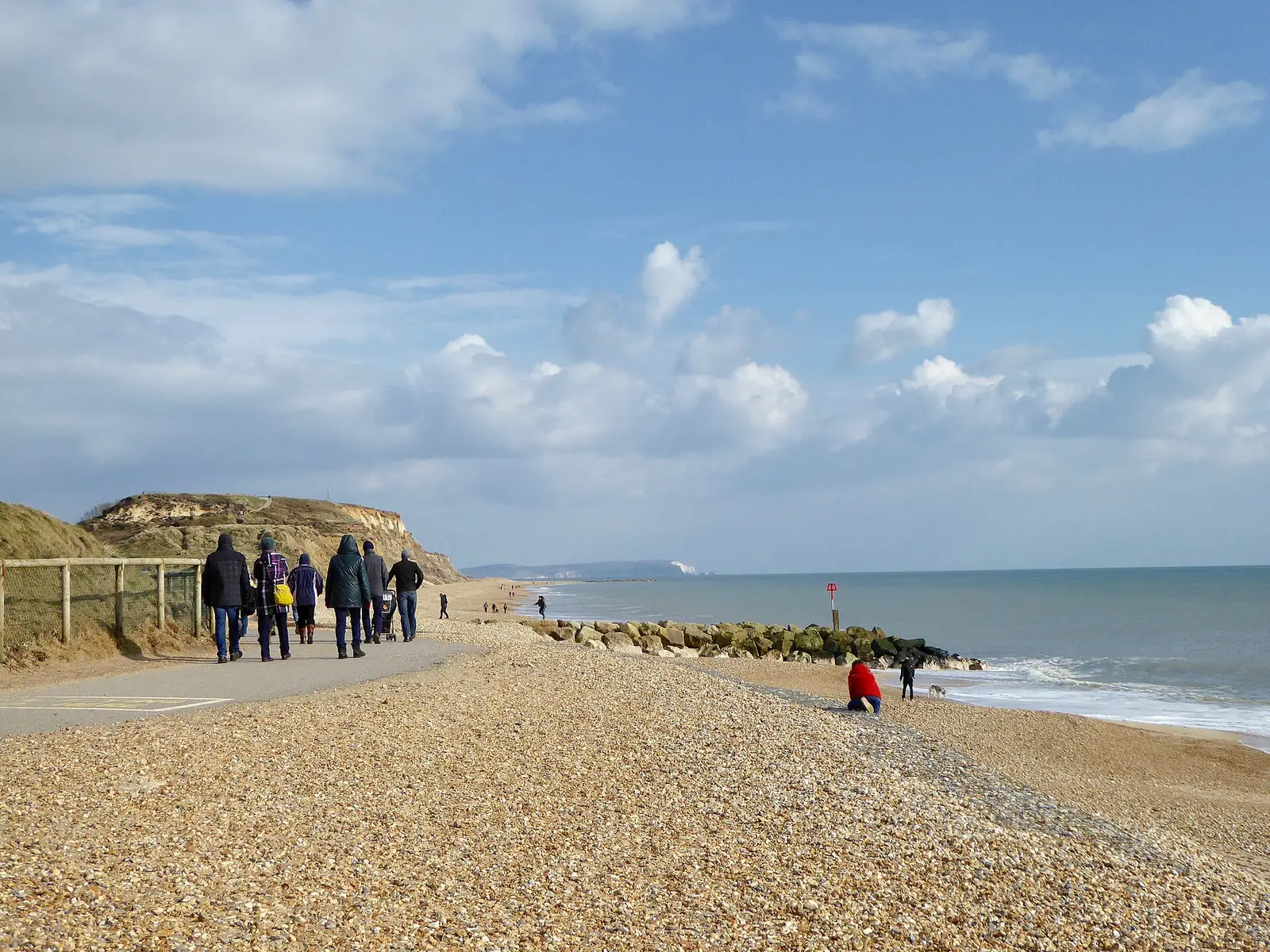
The coast doesn’t stop at the pier. West, the promenade runs through wooded chines toward Alum Chine and on to Sandbanks; east, it passes Boscombe Pier: a restored Grade II-listed Victorian pier, first opened in 1889, with a musical walkway of 88 chimes and a fishing platform at the end: before reaching the nature reserve at Hengistbury Head. Boscombe is the bay’s watersports hub: surf schools and paddleboard hire work from the beach beside the pier, and it suits older kids and teenagers particularly well. Both directions are free to walk and are covered in full, beach by beach, on the beaches page.
Day trips worth the half-hour
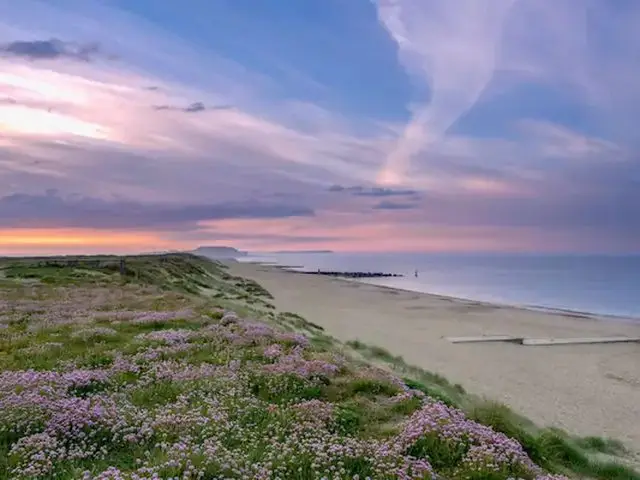
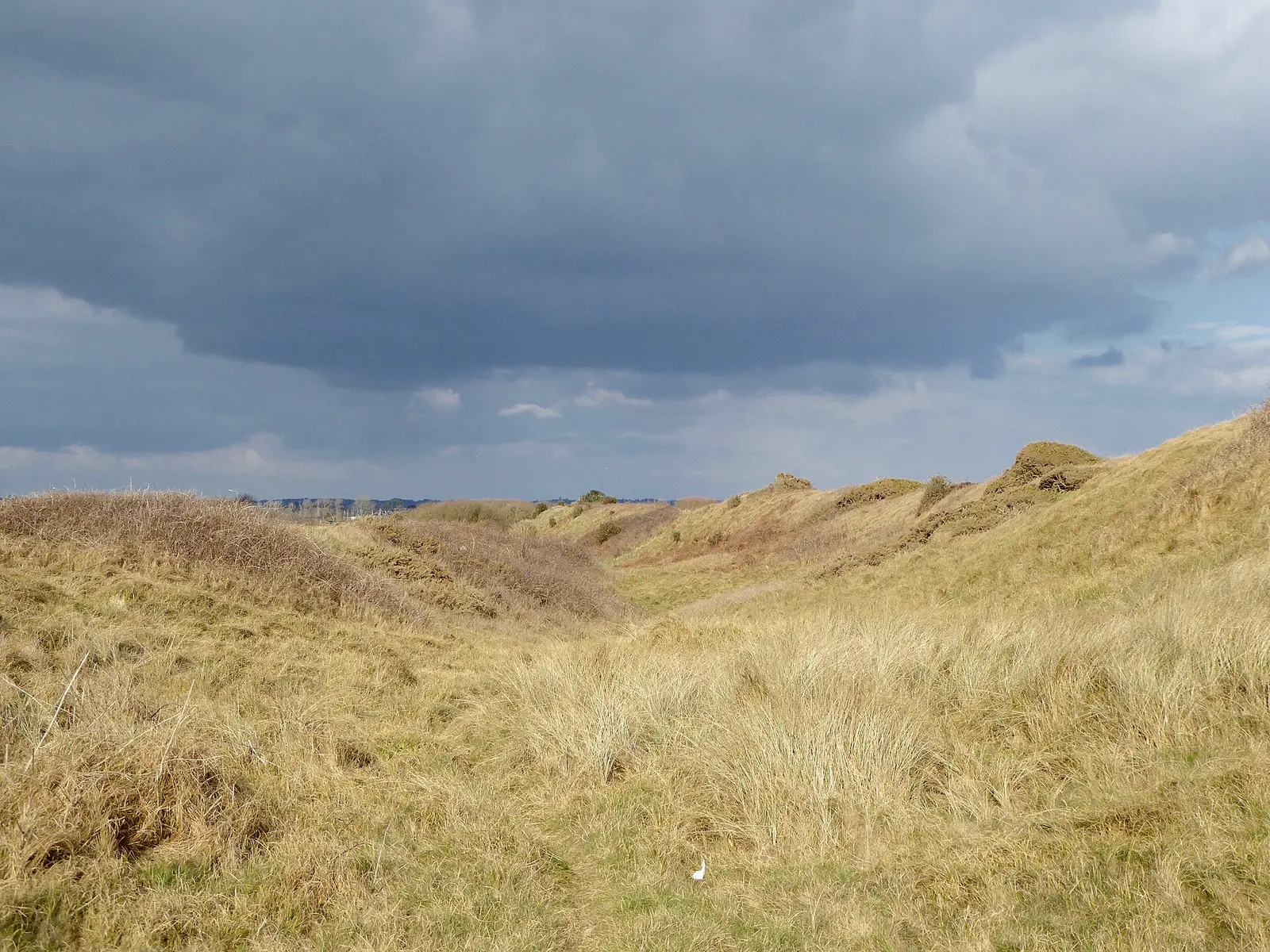
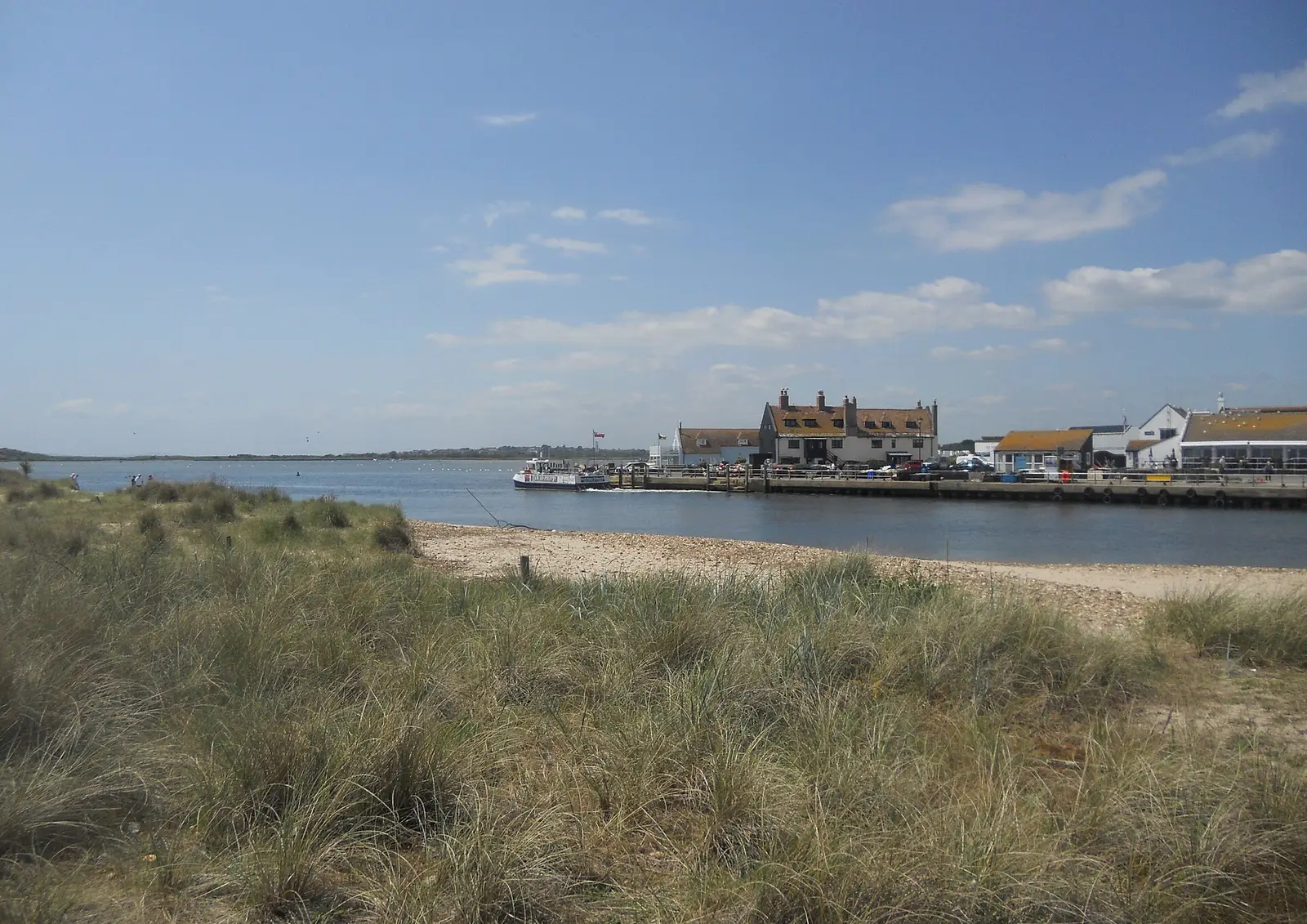
Two are worth the short journey out. Hengistbury Head, beyond Southbourne at the eastern end of the shoreline, is a proper headland nature reserve with cliff-top walking, Iron Age earthworks known as the Double Dykes, a free visitor centre and, in season, a land train out to the Mudeford Sandspit’s beach huts, with wheelchair-accessible carriages. It is one of the few spots this close to the centre where you can walk for an hour and meet more birds than people. West into Poole, Compton Acres is a ten-acre estate of five separate themed gardens, Italian, Japanese, Rock and Water, Heather and a wooded valley, walked as one looping route above Poole Harbour; entry is ticketed, with a café, tea rooms and a plant centre at the gate. Either makes an easy half-day, and both are detailed further in the explore section.
When it rains
The Oceanarium and the Russell-Cotes museum are the two obvious indoor options, both a short walk from the pier, and RockReef inside the pier theatre works in any weather by design. Beyond that, the Bournemouth International Centre programmes arena concerts, comedy and televised darts across four halls, and the Odeon in the BH2 complex runs ten screens including an iSense large-format auditorium with recliner seating. The town centre also has covered shopping around the Square, and several seafront hotels serve afternoon tea to non-residents if you would rather sit somewhere with a view while a shower passes.
What costs nothing
More than the seafront suggests. The beach itself, the Lower, Central and Upper Gardens, both piers, and the full coast path from Hengistbury Head to Sandbanks are free to walk, and Hengistbury’s visitor centre never charges for entry. The Russell-Cotes offers free entry on some days, worth checking before you go, and most of the town’s smaller green spaces, from Boscombe Chine Gardens to Meyrick Park, cost nothing at all. Where a genuine charge applies, RockReef, PierZip, the land train, Compton Acres, each listing says so plainly rather than leaving you to guess.
Families, evenings and how much time to set aside
For families, the beach and gardens work for every age, Boscombe Chine Gardens has an enclosed play area, and the Oceanarium is built specifically with children in mind. For an evening out, the BIC and the Odeon cover the obvious options, Shelley Theatre in Boscombe puts on smaller live work, and the town centre and seafront carry a full run of pubs, bars and late kitchens. See food & drink for those. On timing: two days covers the pier, the gardens and one beach properly. A week lets you add Hengistbury Head, Compton Acres, Poole Quay and Christchurch without rushing, and still leaves afternoons free to do nothing at all, which, on this stretch of coast, is often the point. Your first 48 hours in Bournemouth is the short version if you are only here for a weekend; Bournemouth with kids for a week is the longer one for families.
Finding it all
Filter by area below to see what is nearest to where you are staying, or open the map to see the whole bay at once: piers, gardens, beaches and the day trips either side, all plotted together.