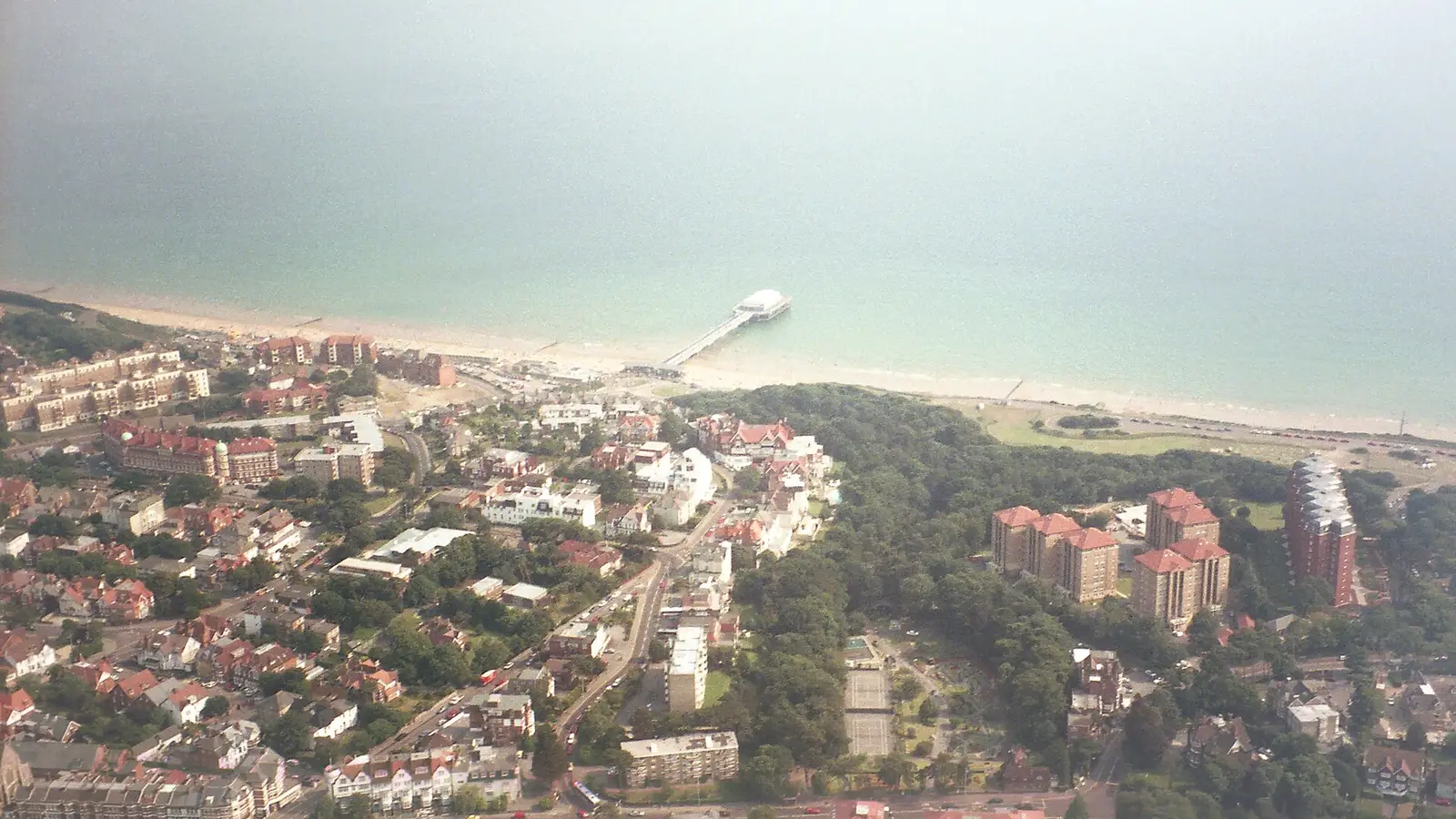
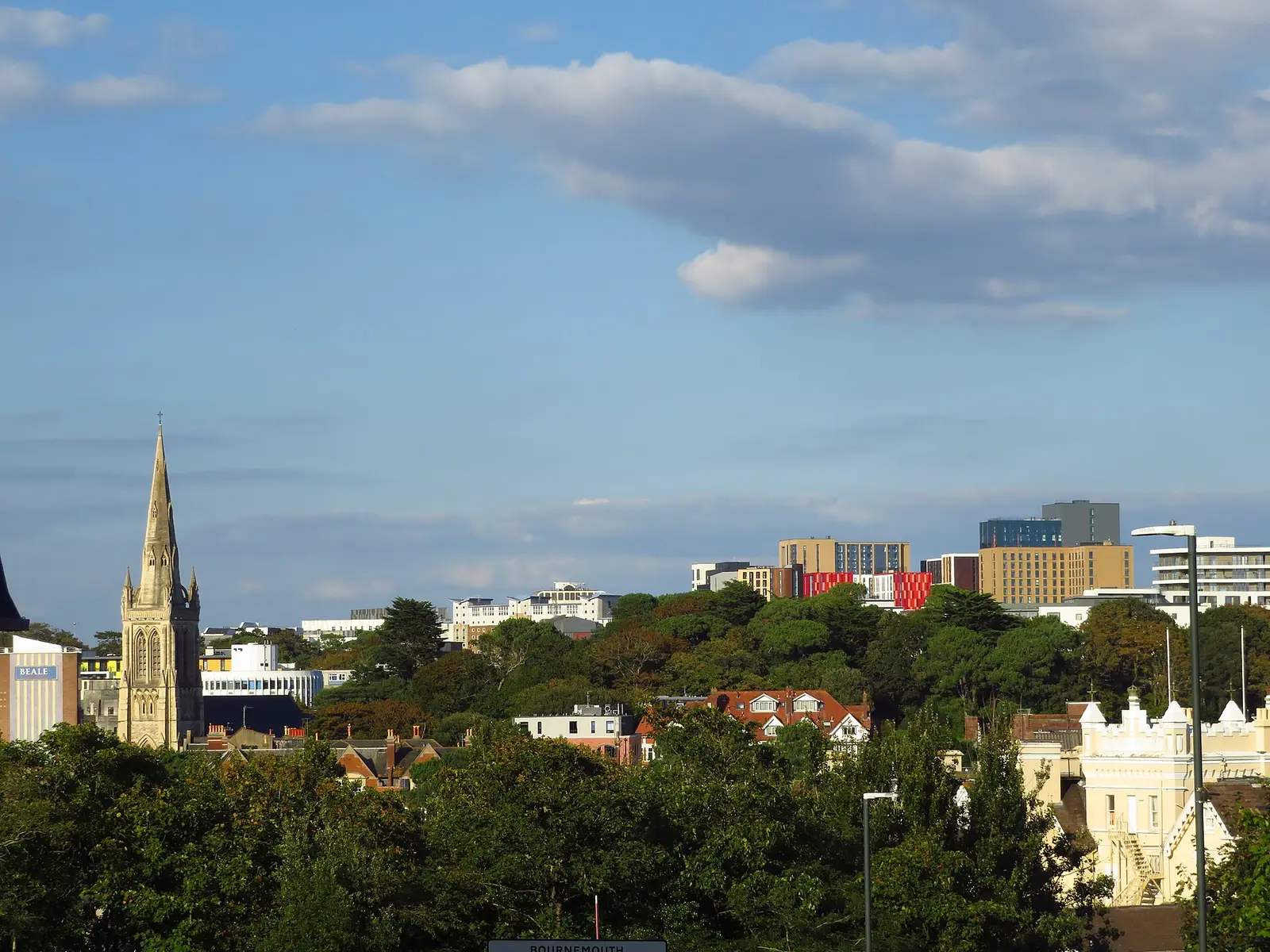
Bournemouth’s attractions are clustered tightly around the point where the Bourne valley meets the sea, which is a piece of luck if you are staying nearby. The pier, the aquarium and the gardens are effectively one destination reached three different ways.
The pier and its landward end
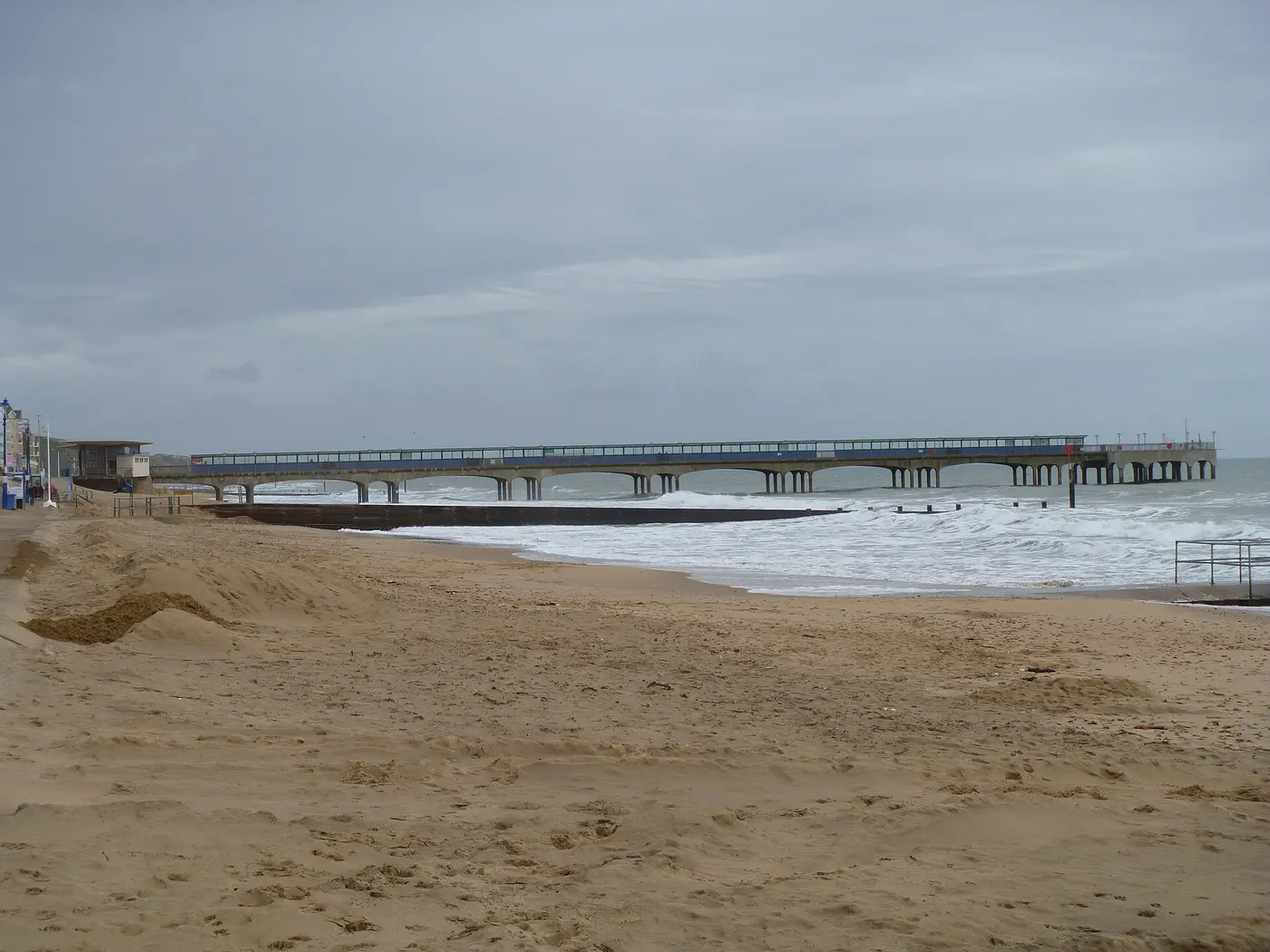
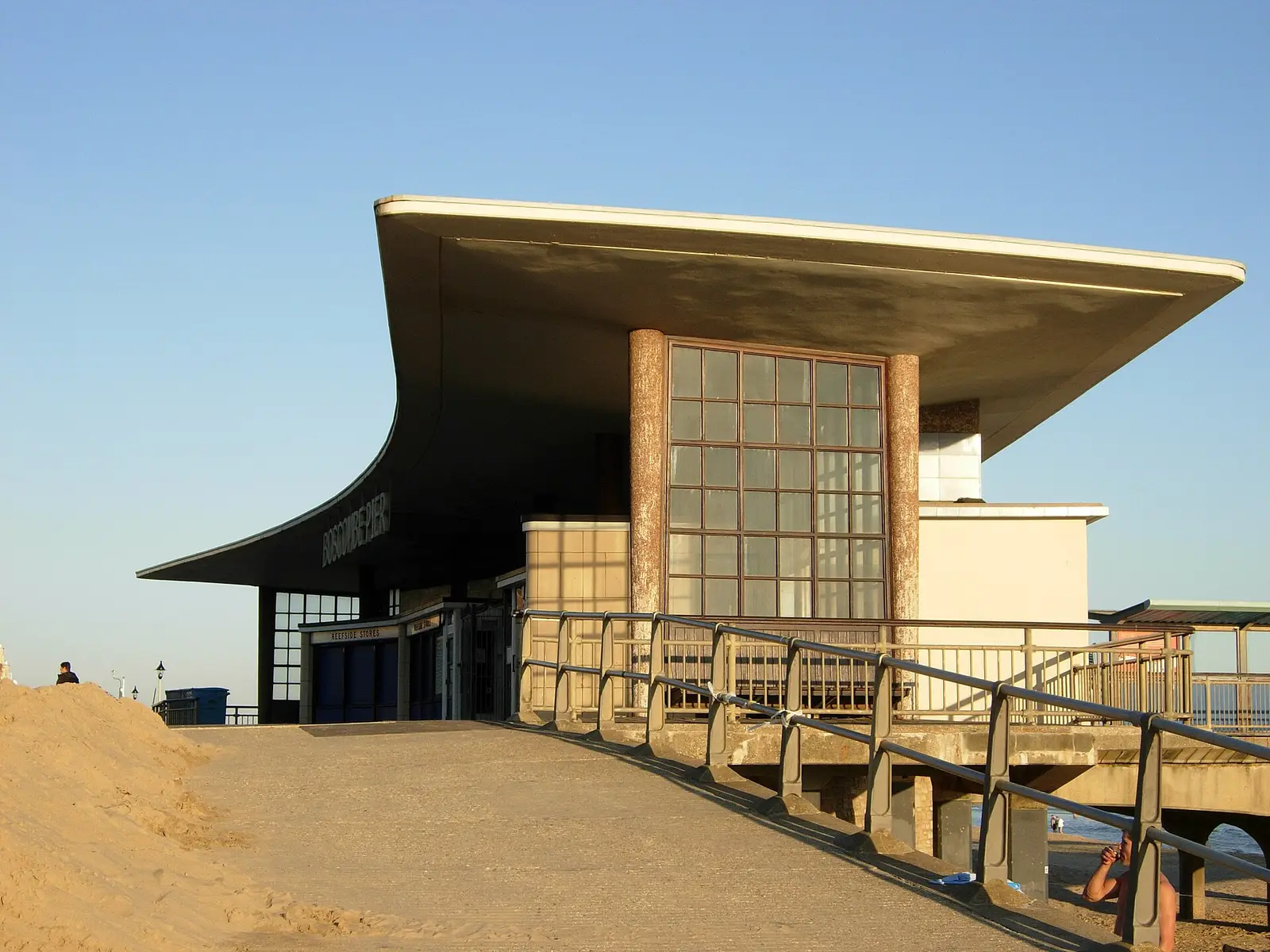
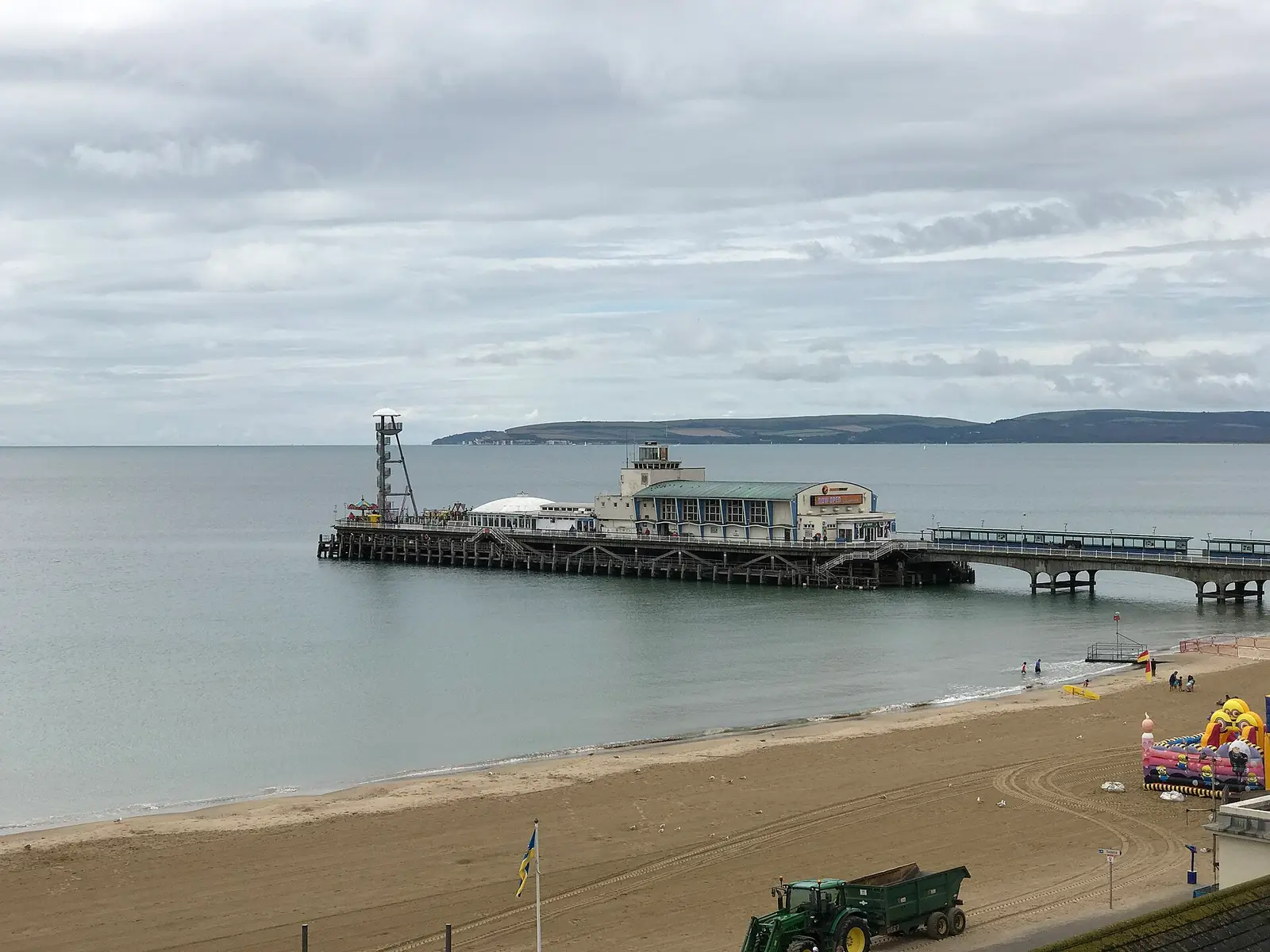
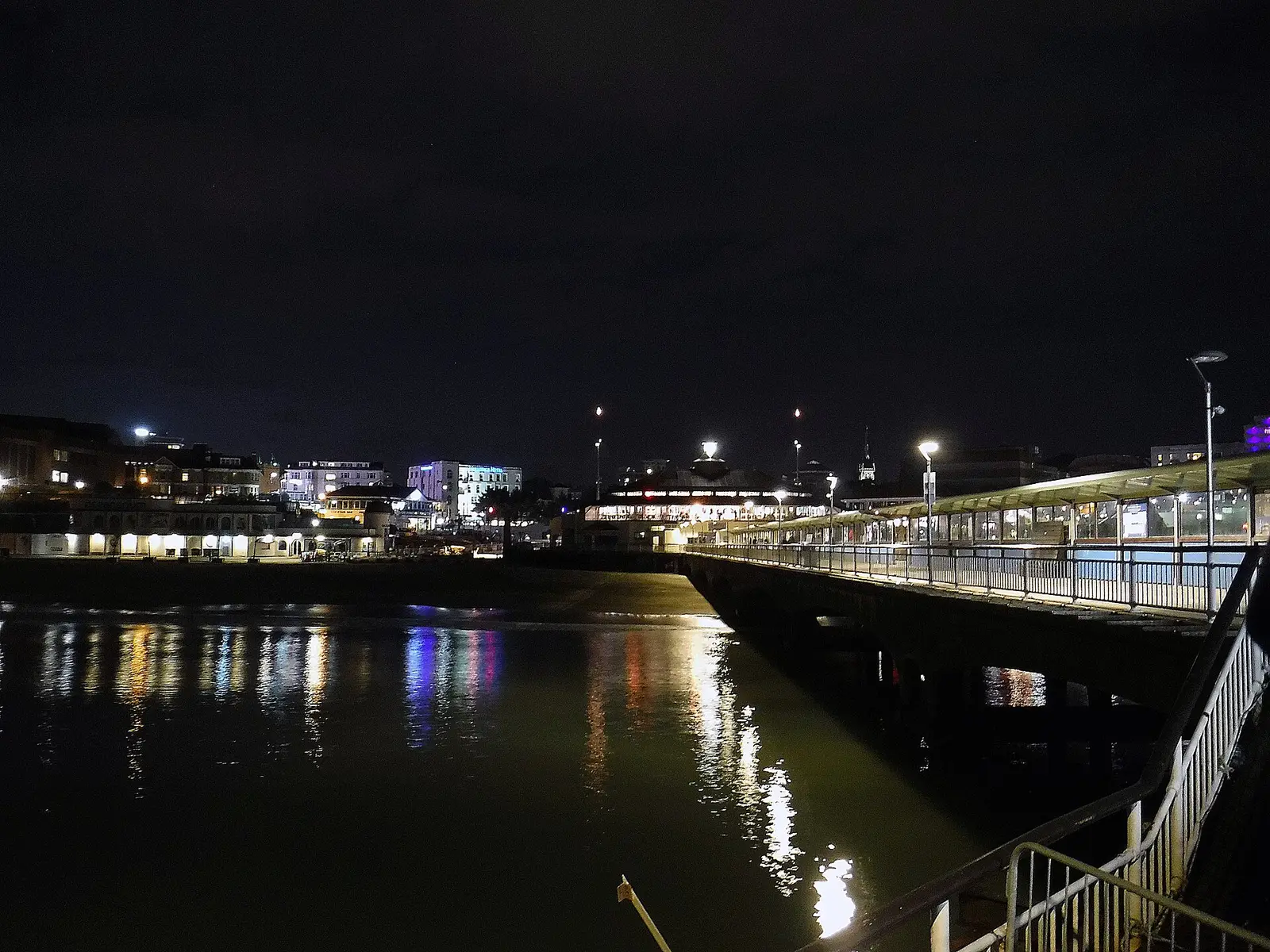
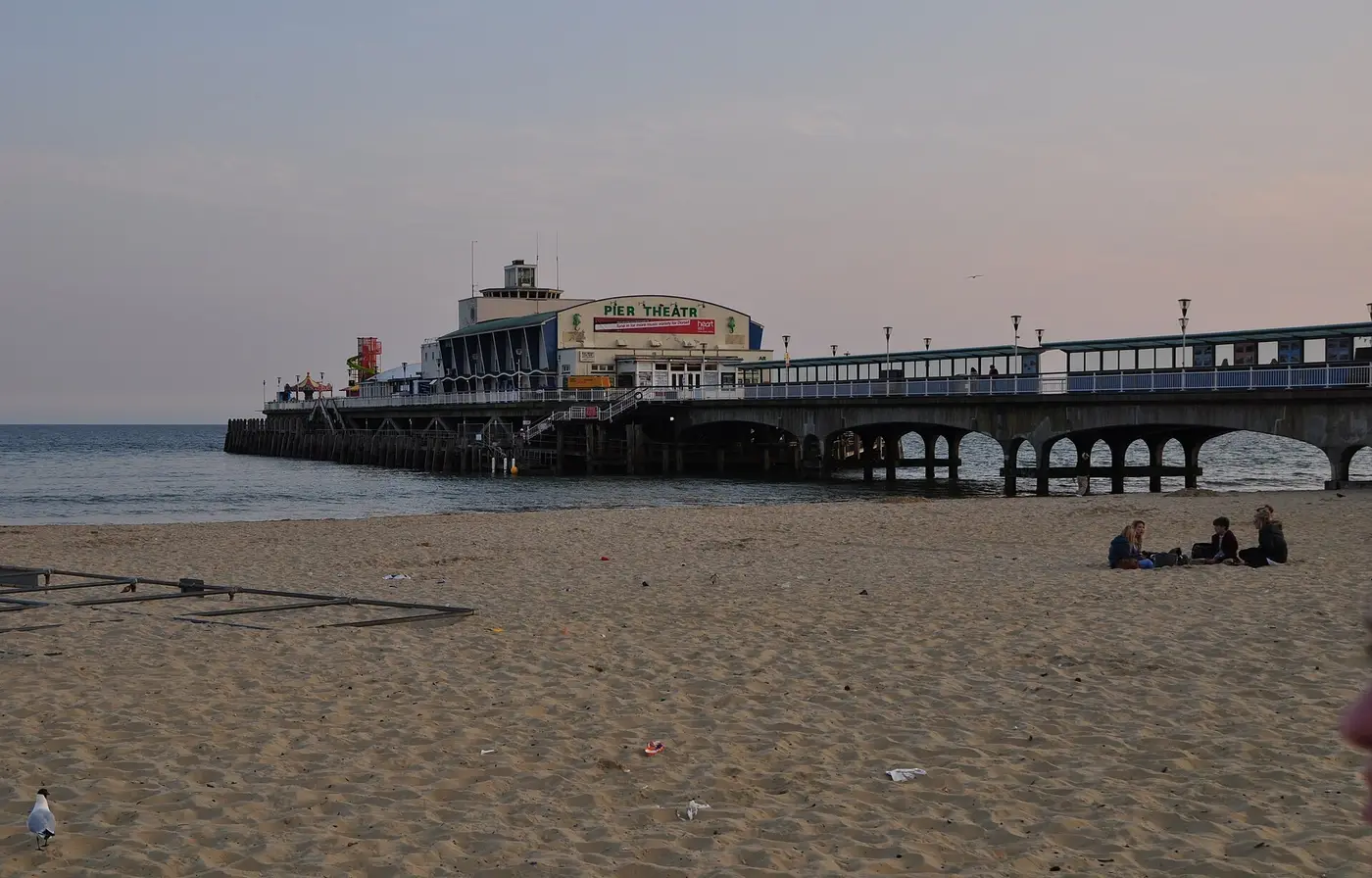
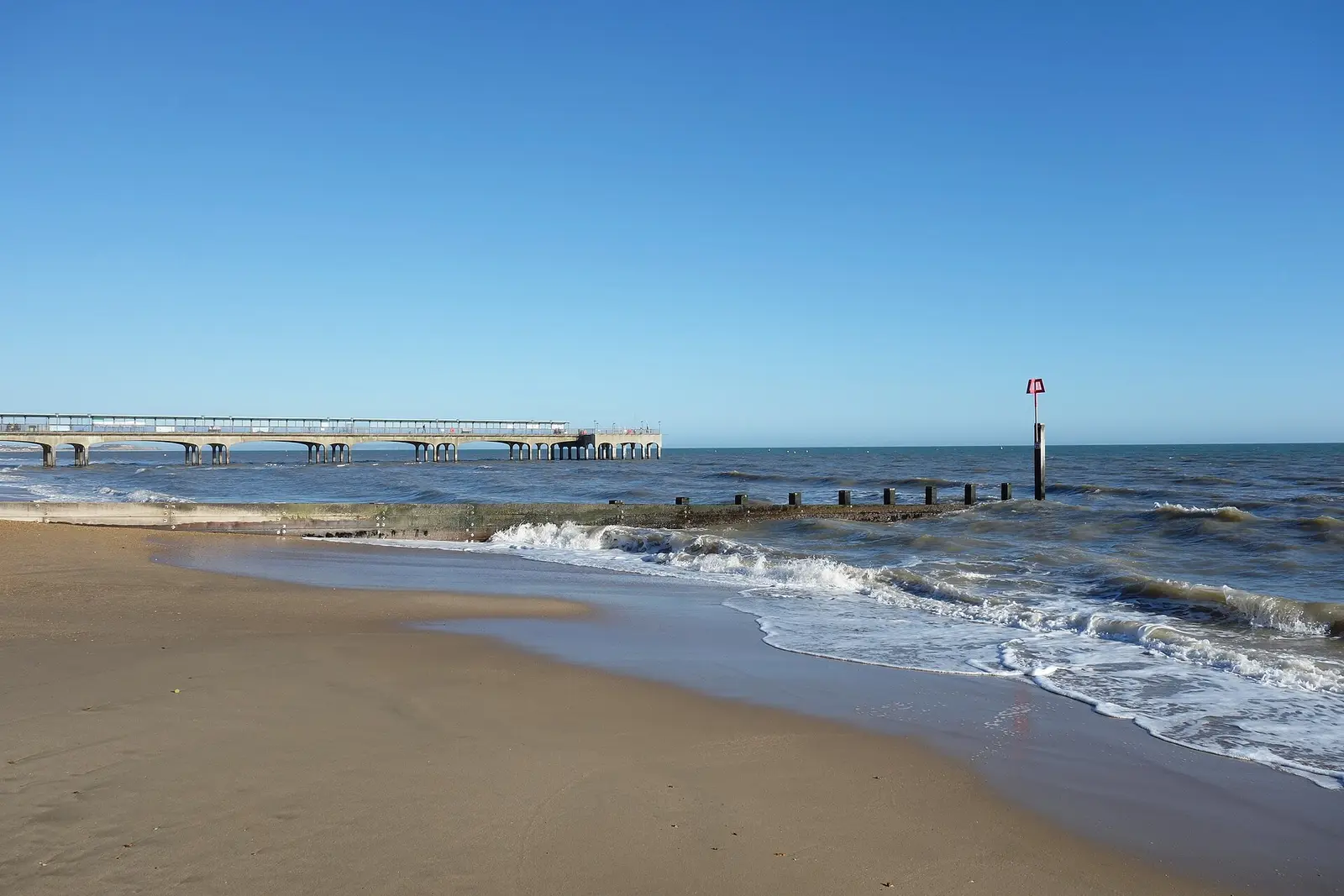
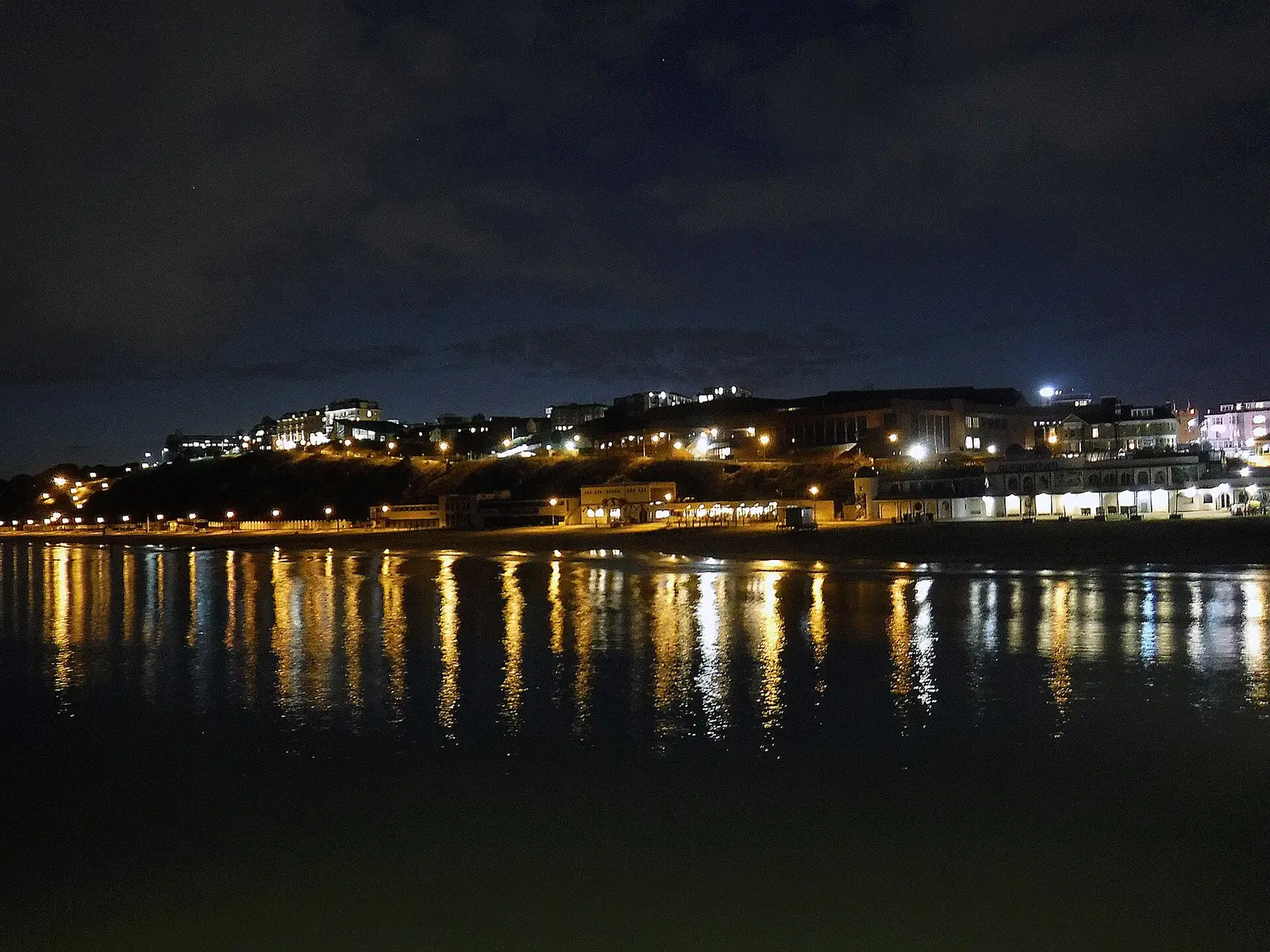
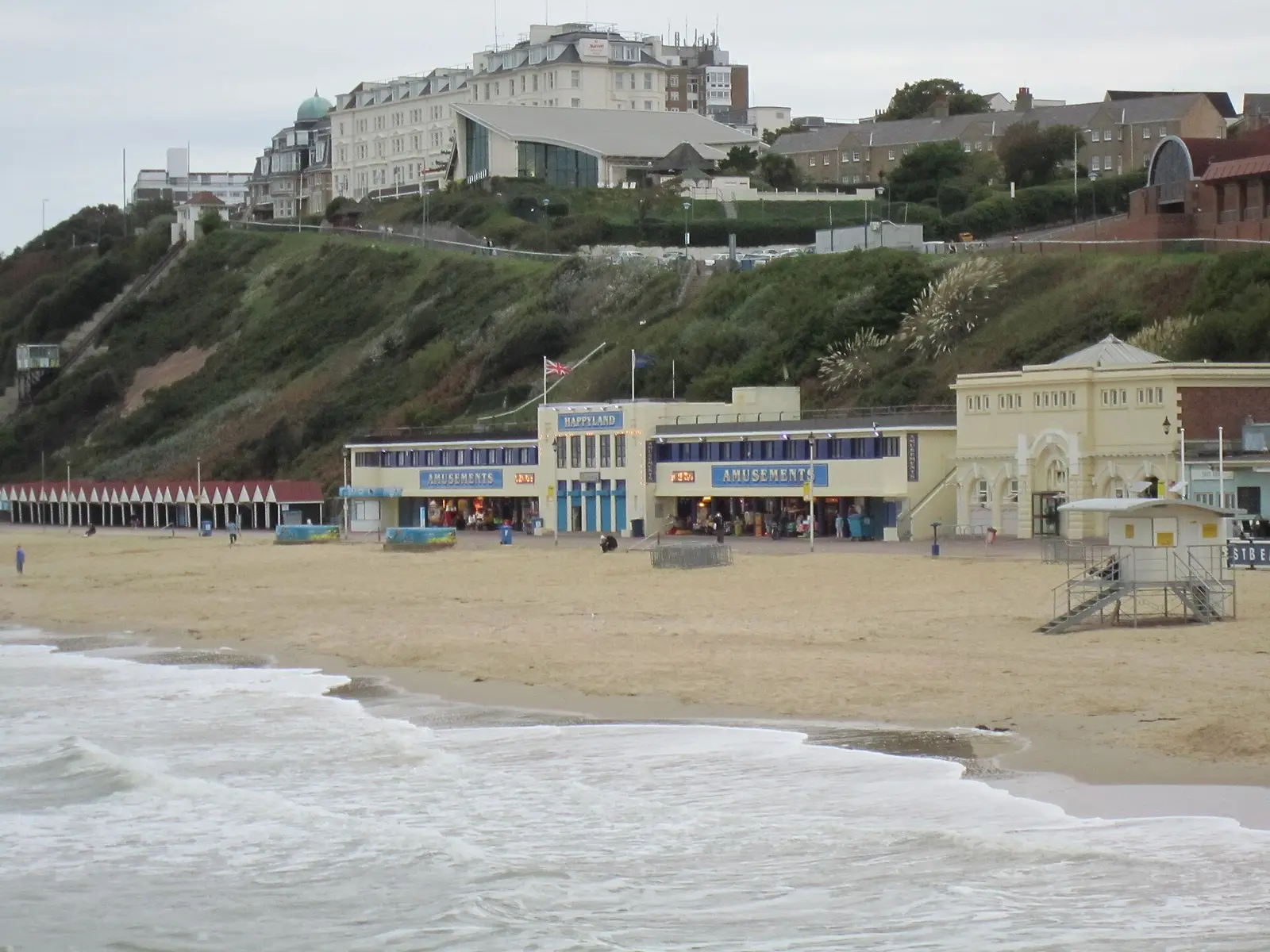
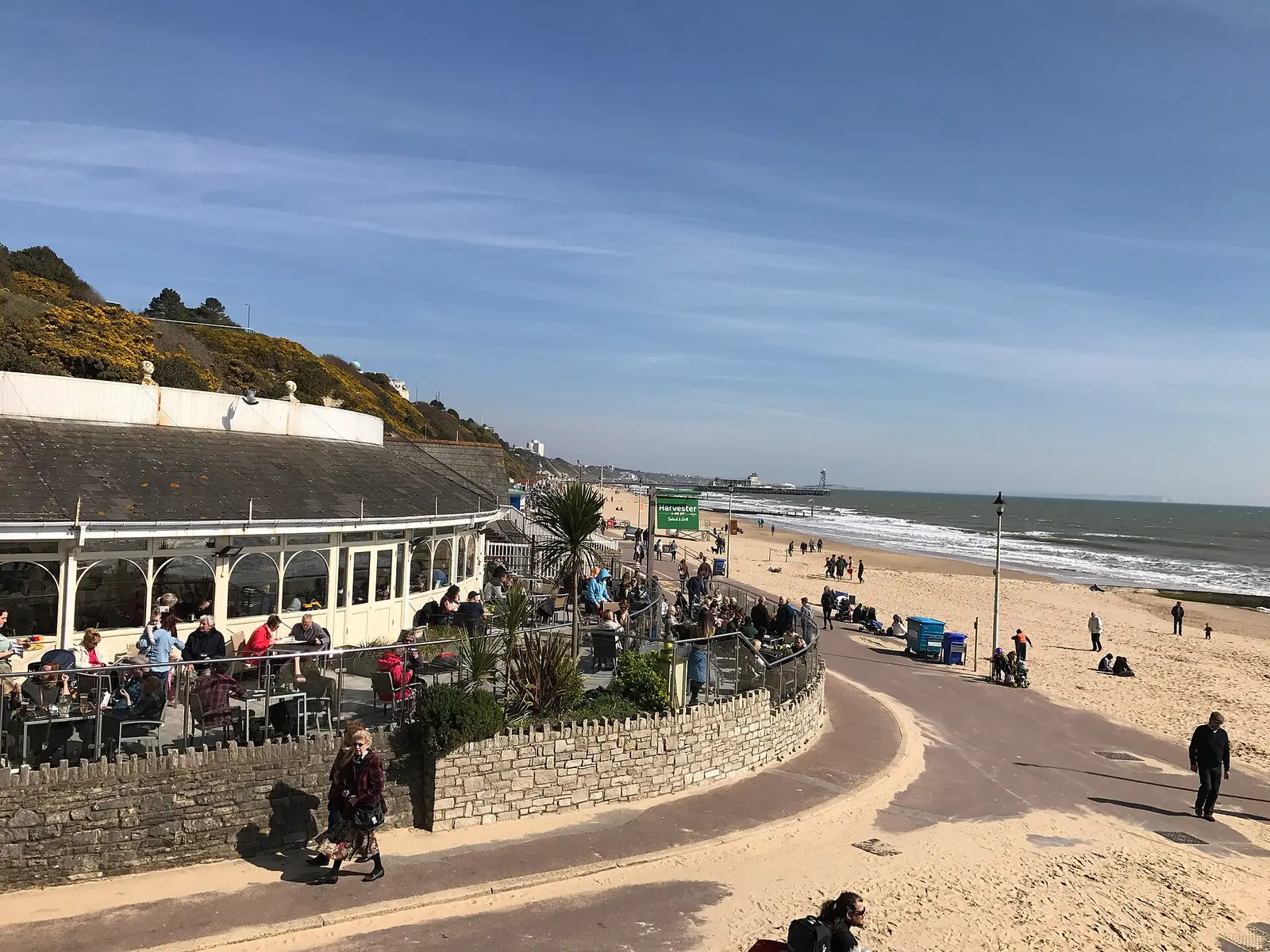
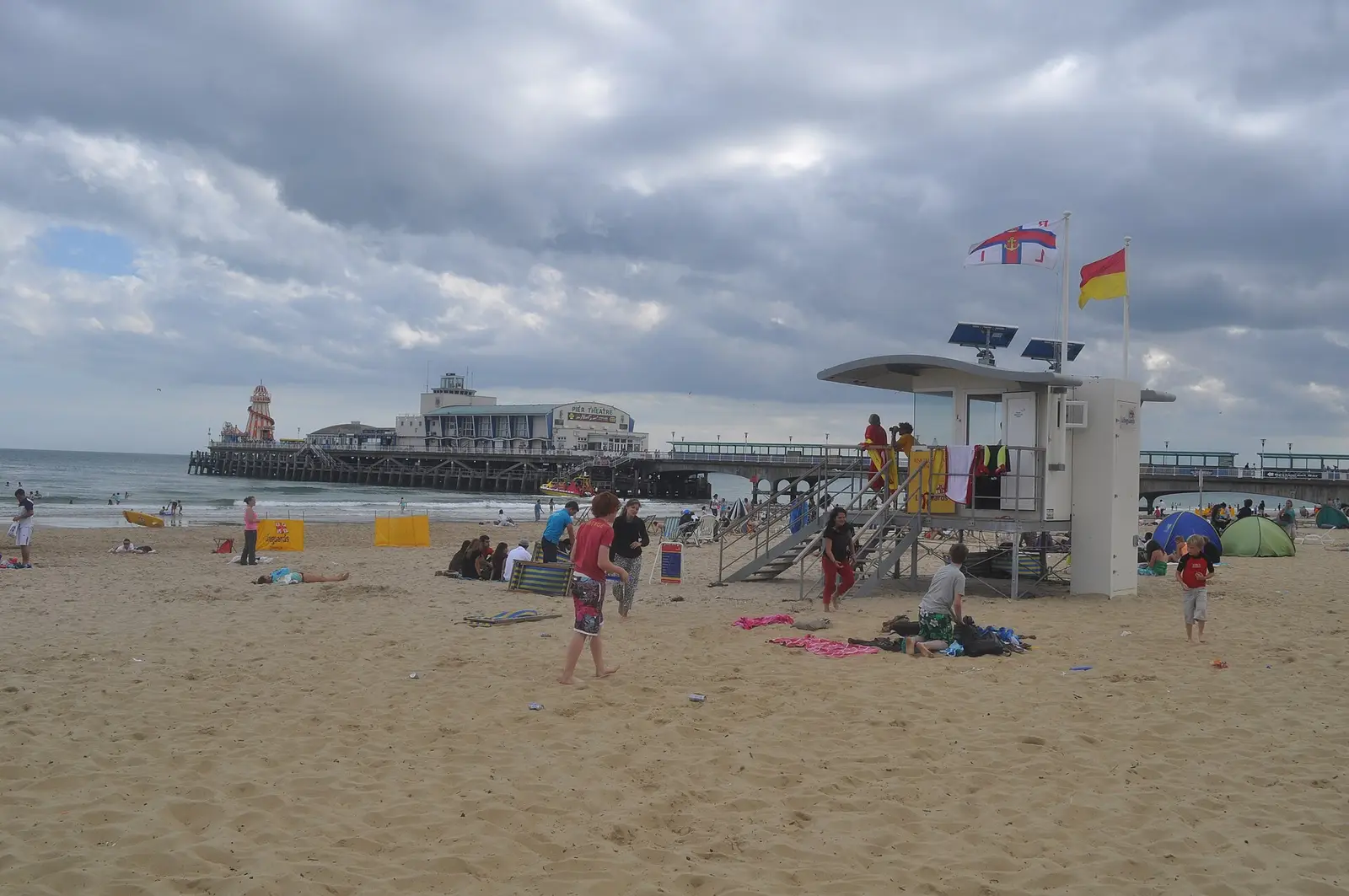
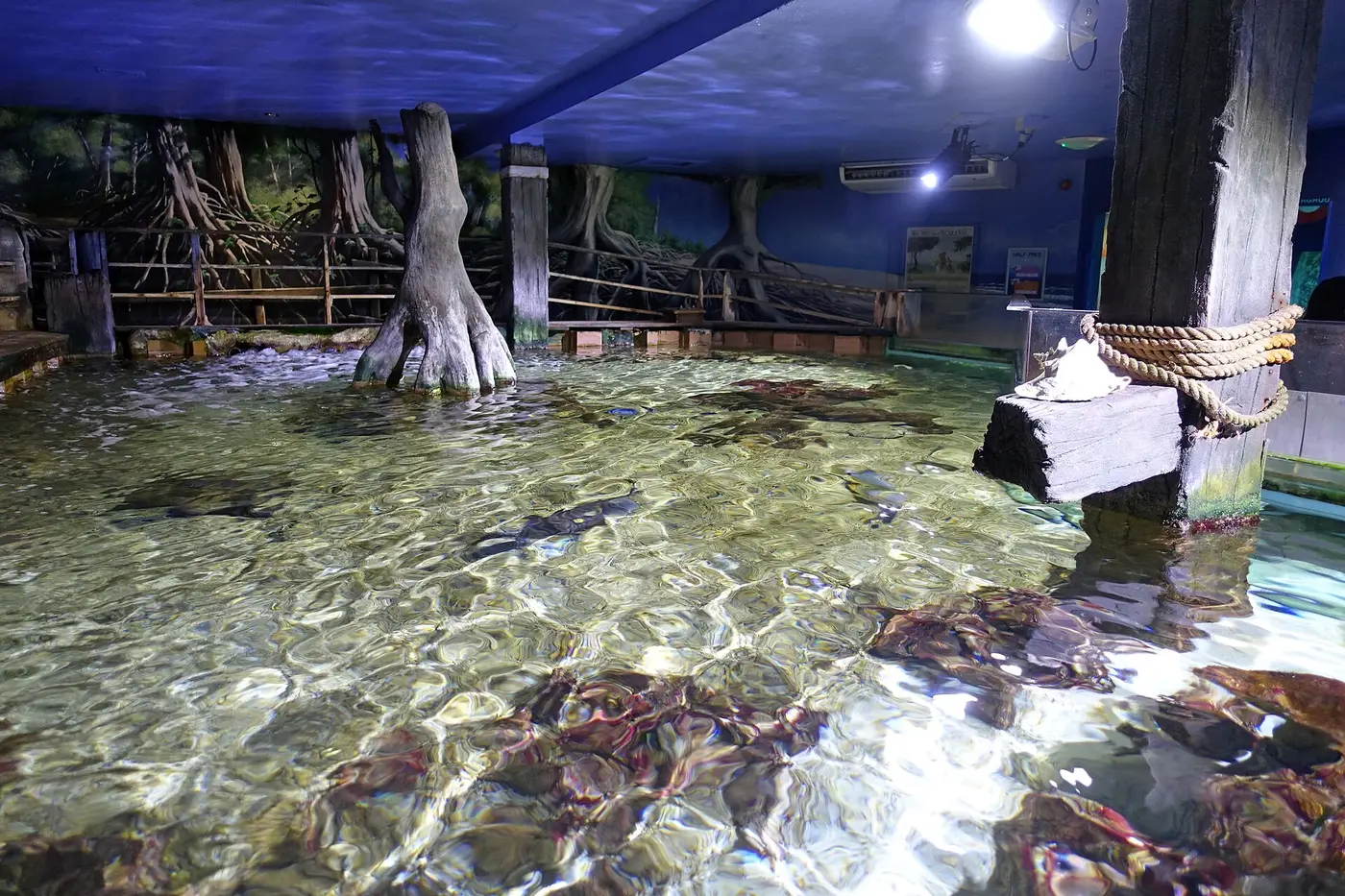
Bournemouth Pier reaches out into Poole Bay from the middle of the seafront and has stood in some form since the 1850s. At its landward end sits the Oceanarium, a small aquarium built around the theme of ocean habitats, popular with families and a solid rainy-day option given how close it sits to the pier itself.
The gardens
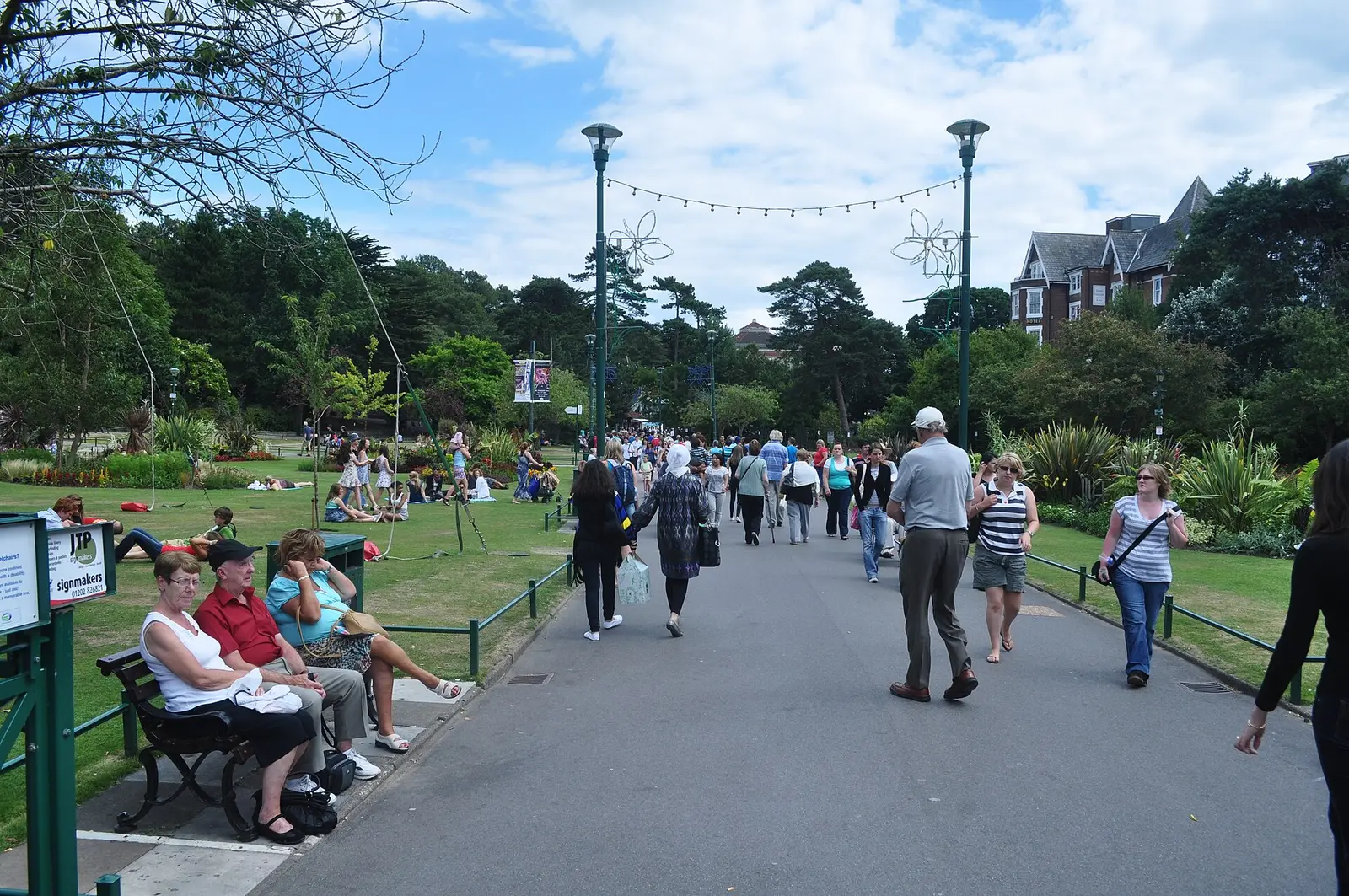
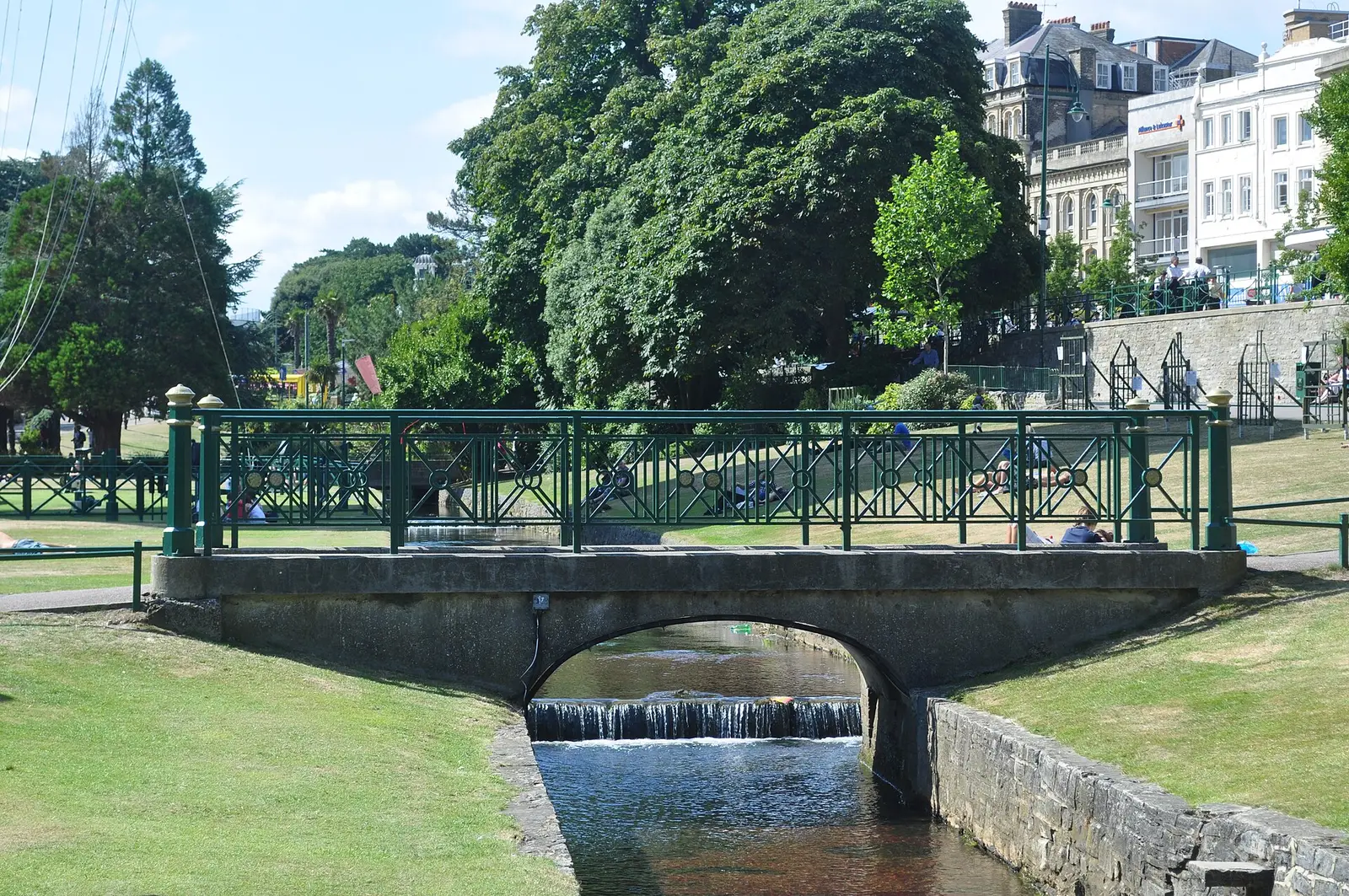
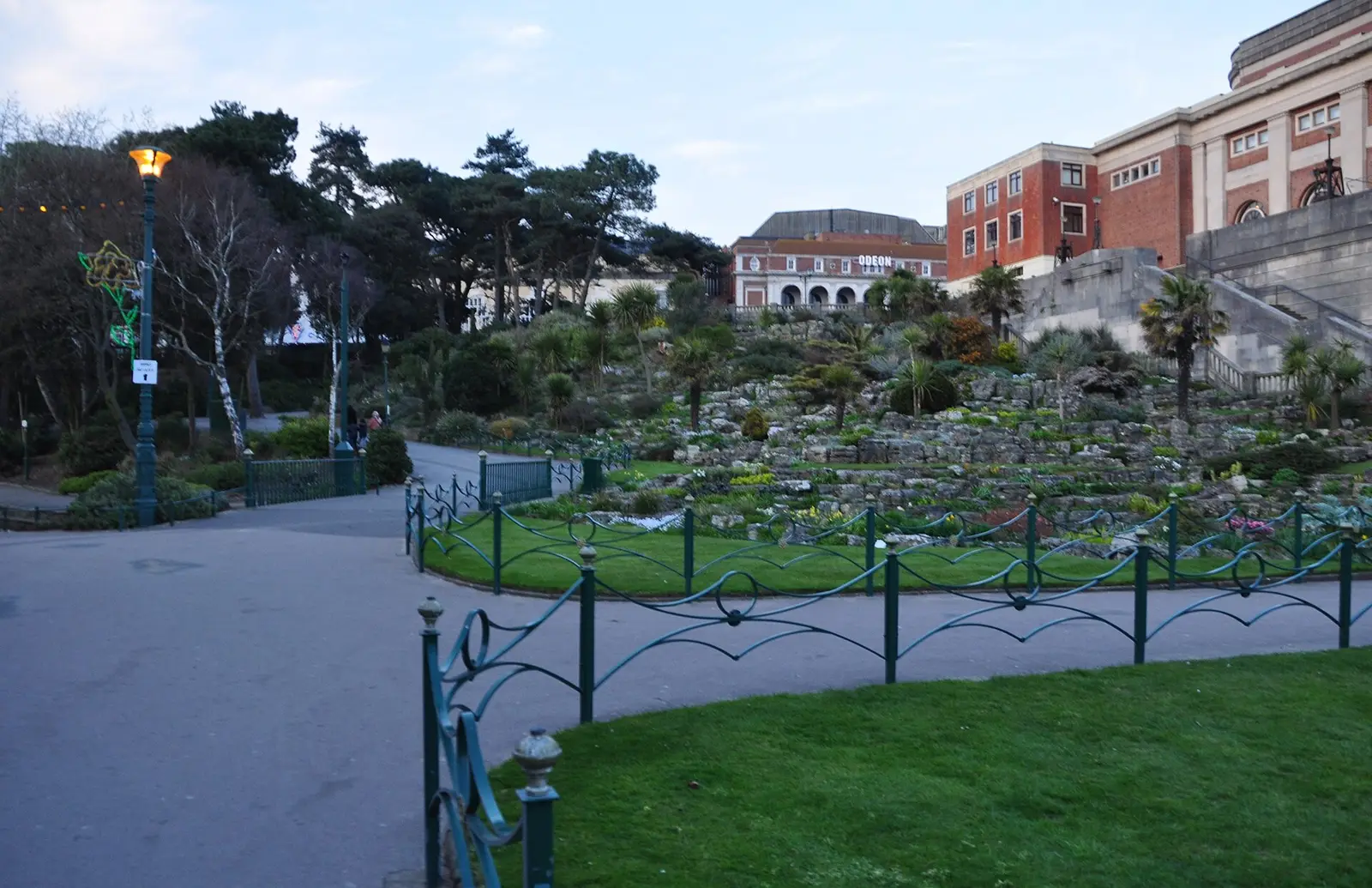
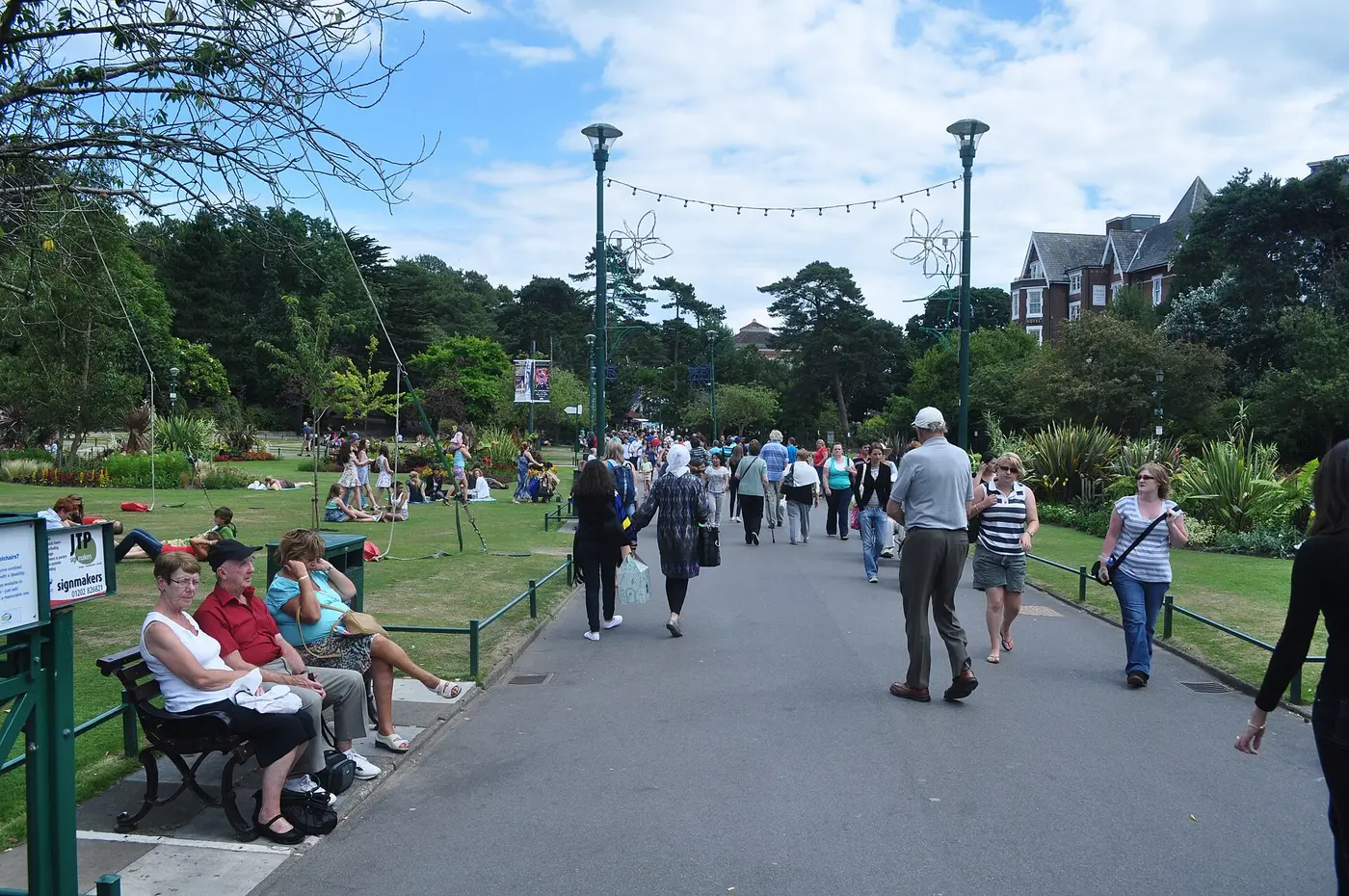
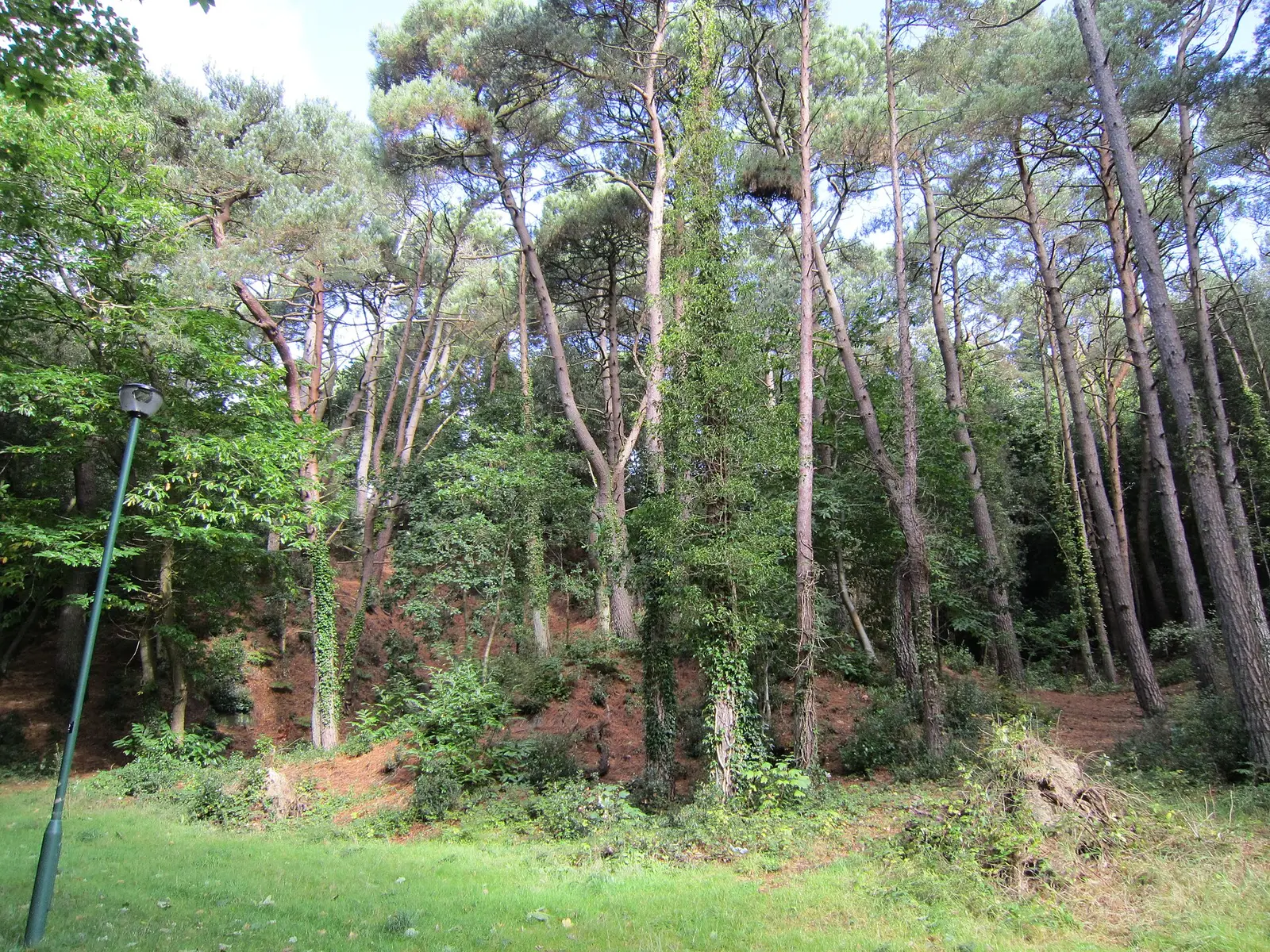
The Lower Gardens run inland from the pier as a long, planted valley following the course of the River Bourne, laid out since Victorian times and still the town’s main green corridor. They connect the seafront to the Central and Upper Gardens further inland, and the whole run is free to walk, benched throughout, and shaded in summer in a way the seafront itself is not.
The Russell-Cotes
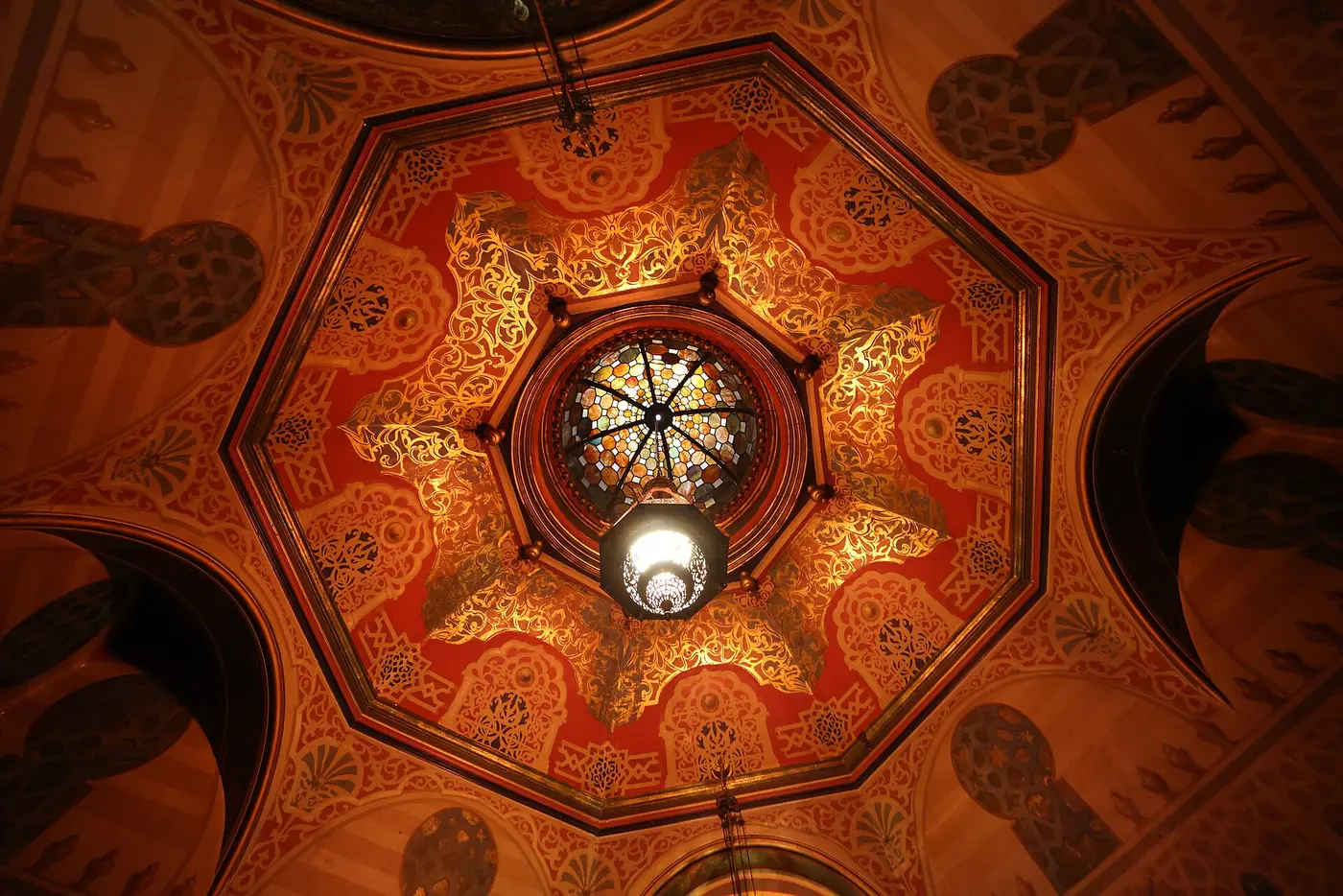
Above East Cliff, the Russell-Cotes Art Gallery and Museum is the attraction most visitors don’t expect. It began as the private villa of a Victorian hotelier and his wife, built and furnished in an eclectic, personal style rather than as a conventional civic gallery, and it is still largely presented that way. It does not open every day, so check before planning a visit around it.
Further out
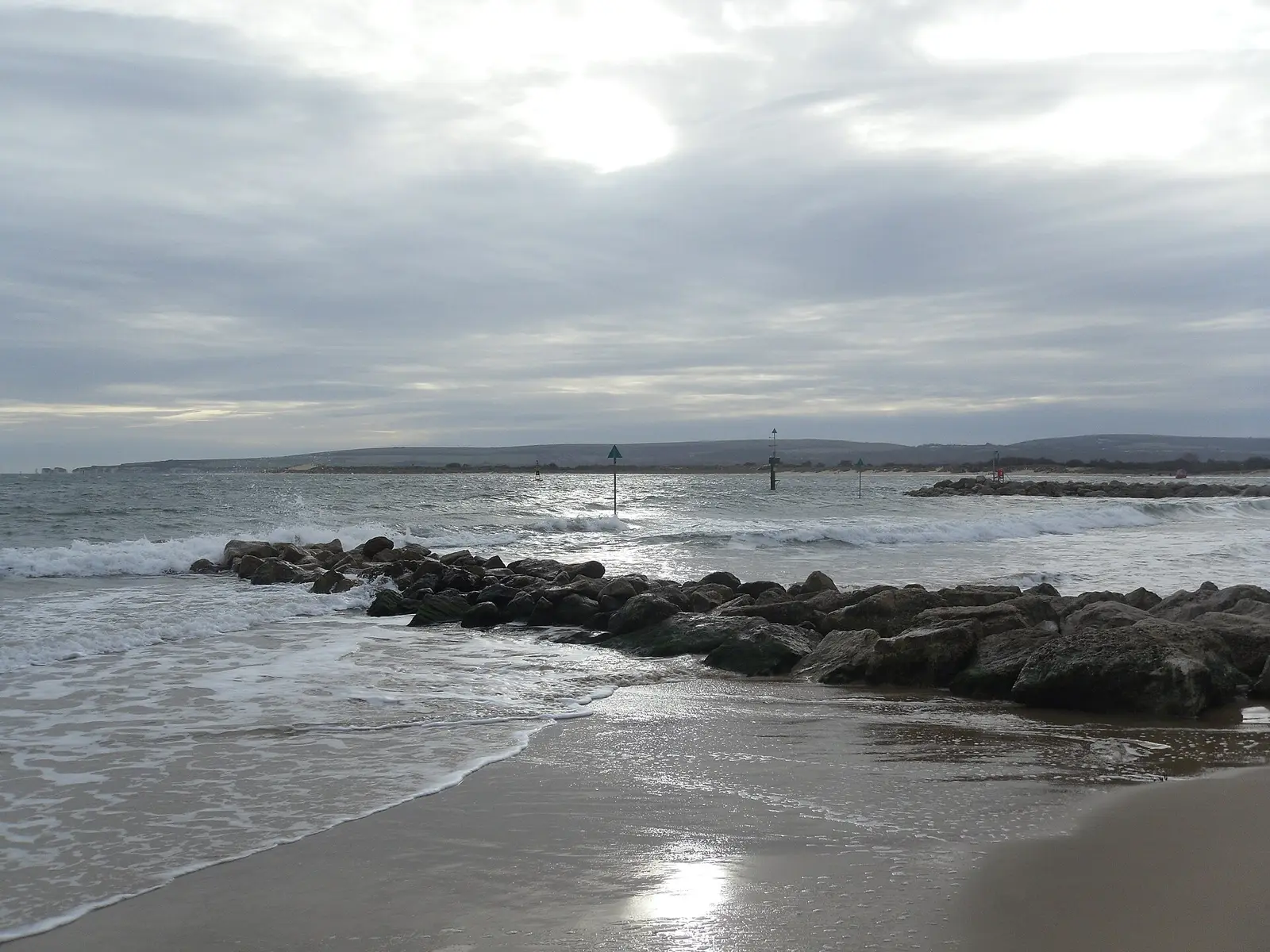
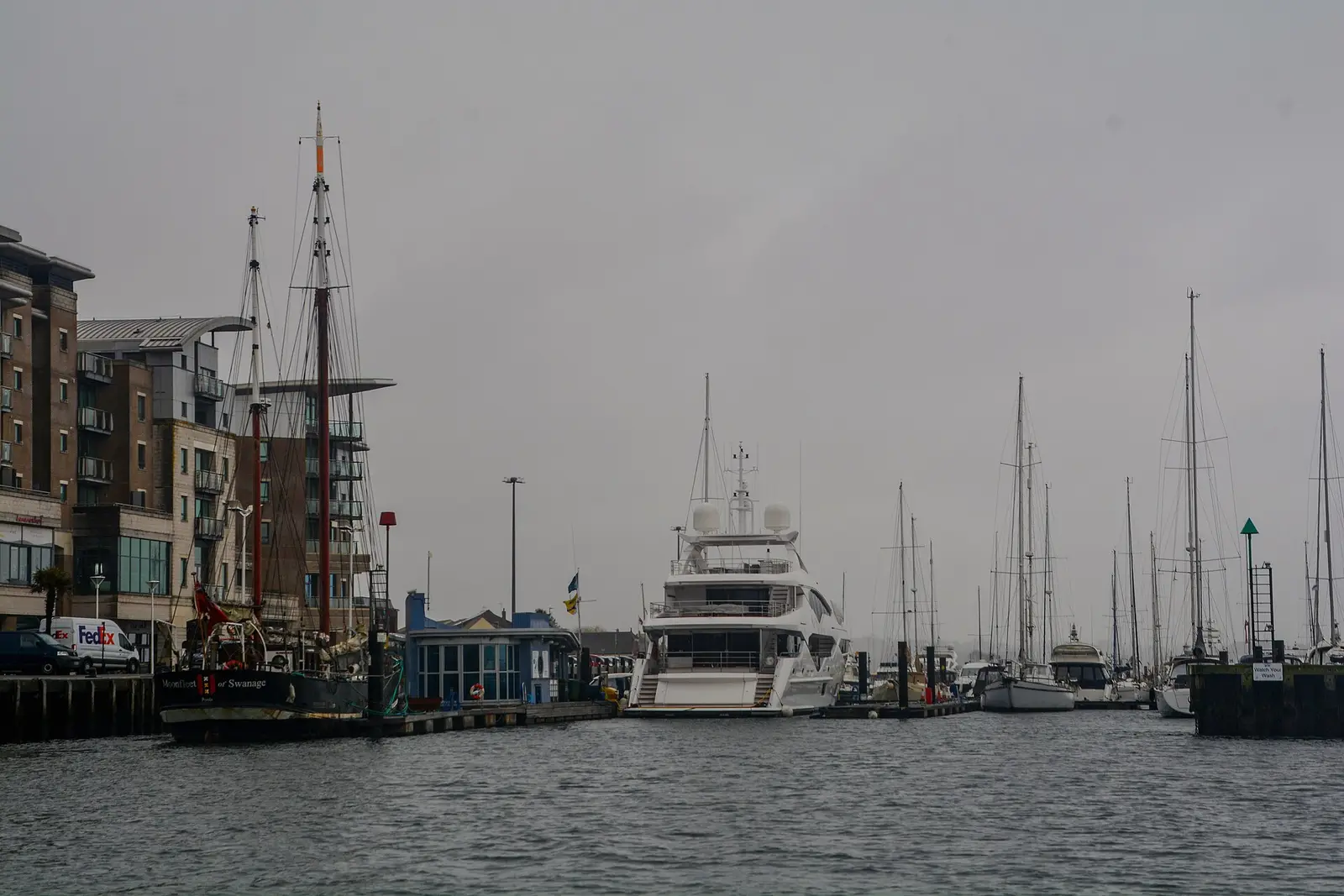
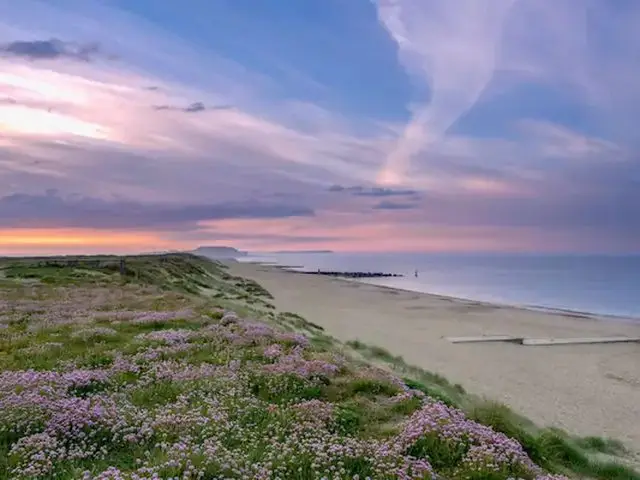
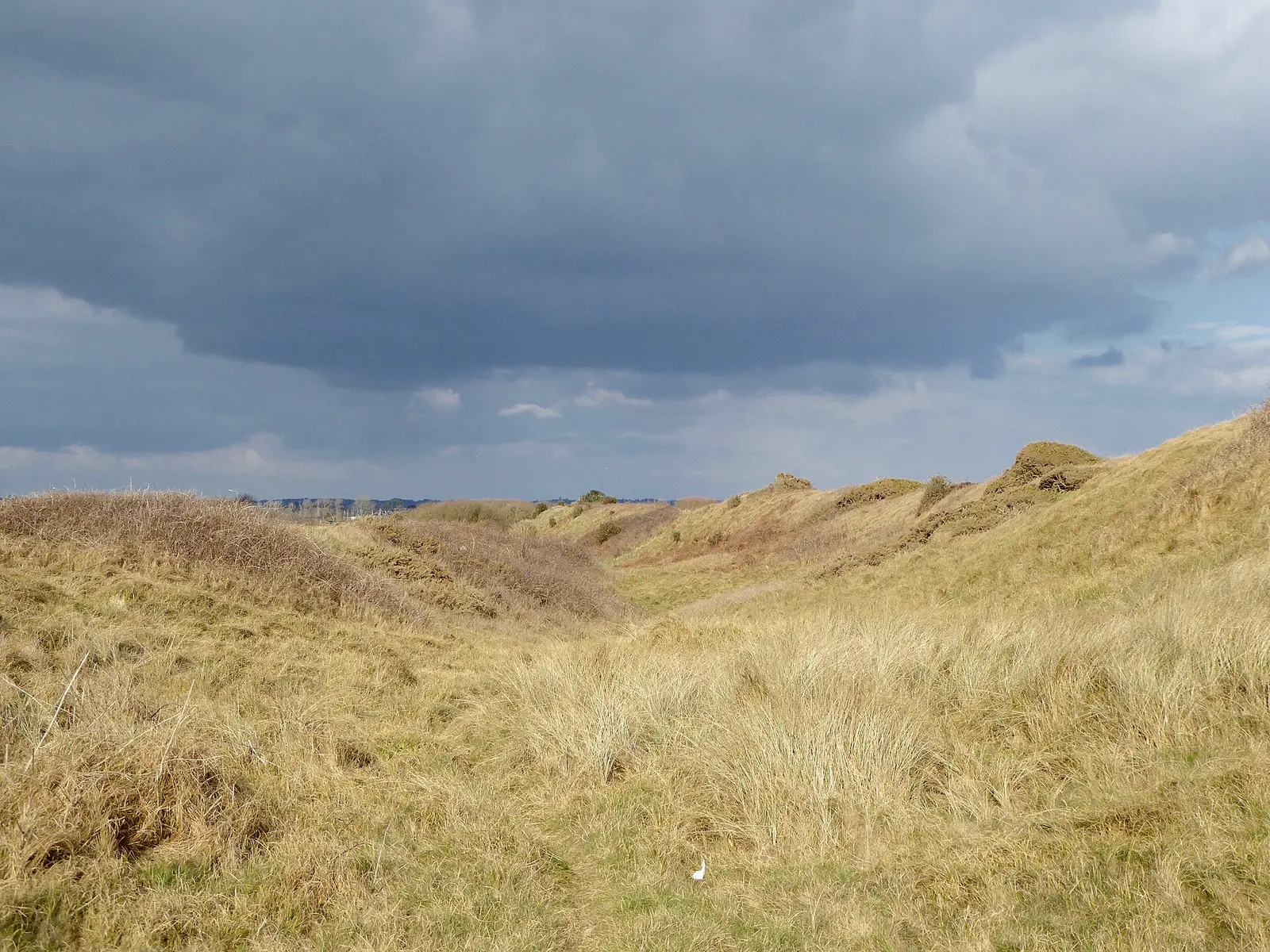
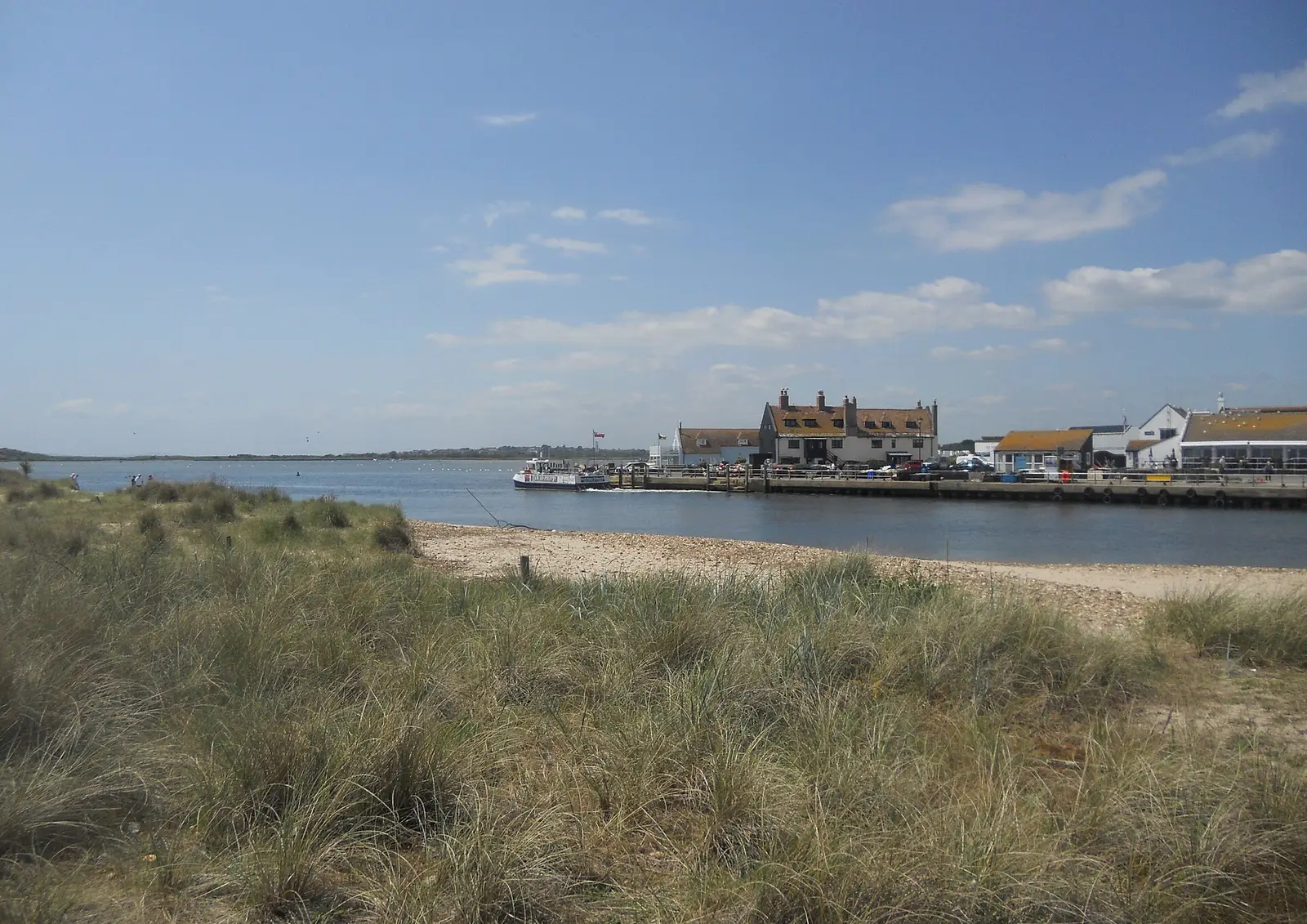
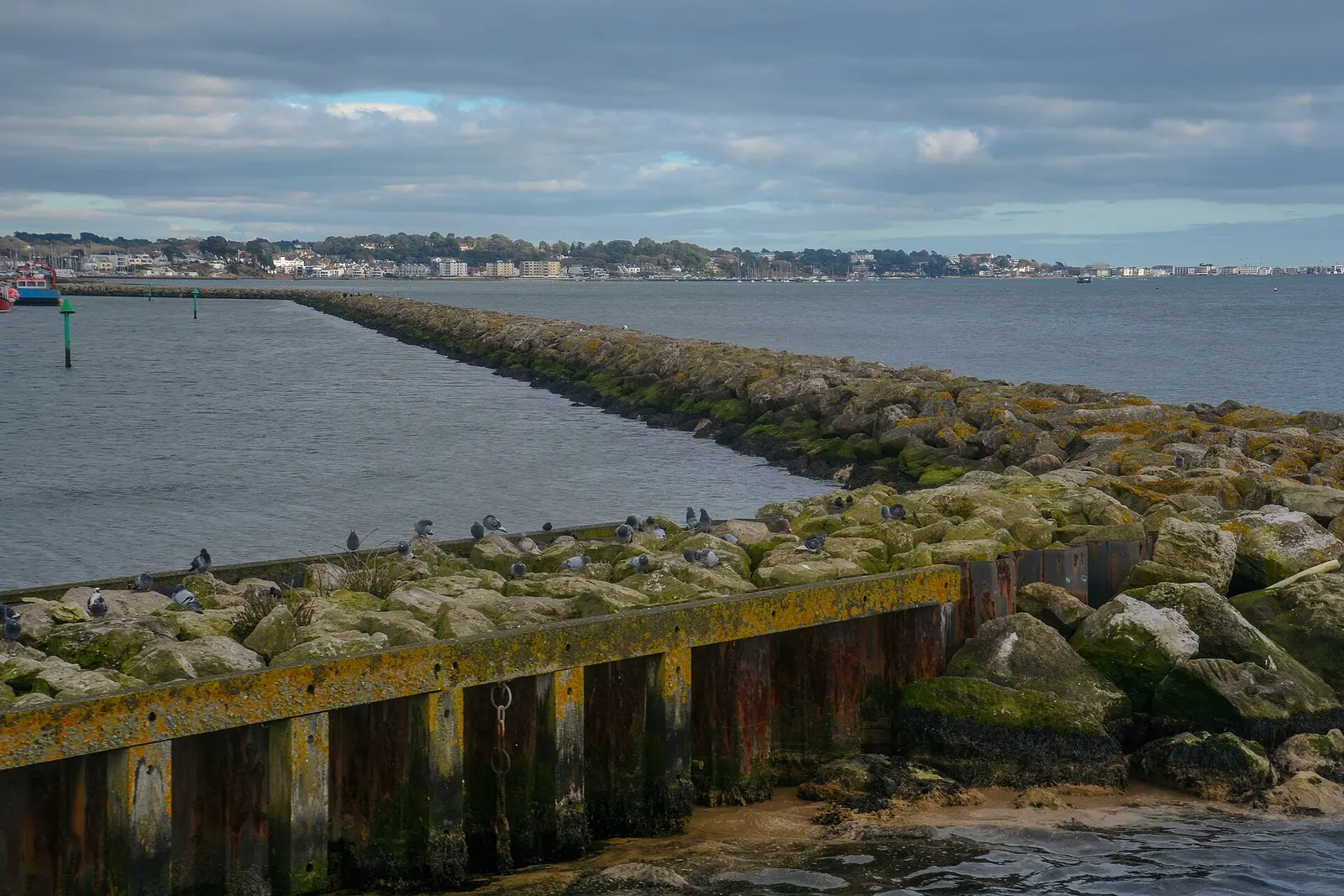
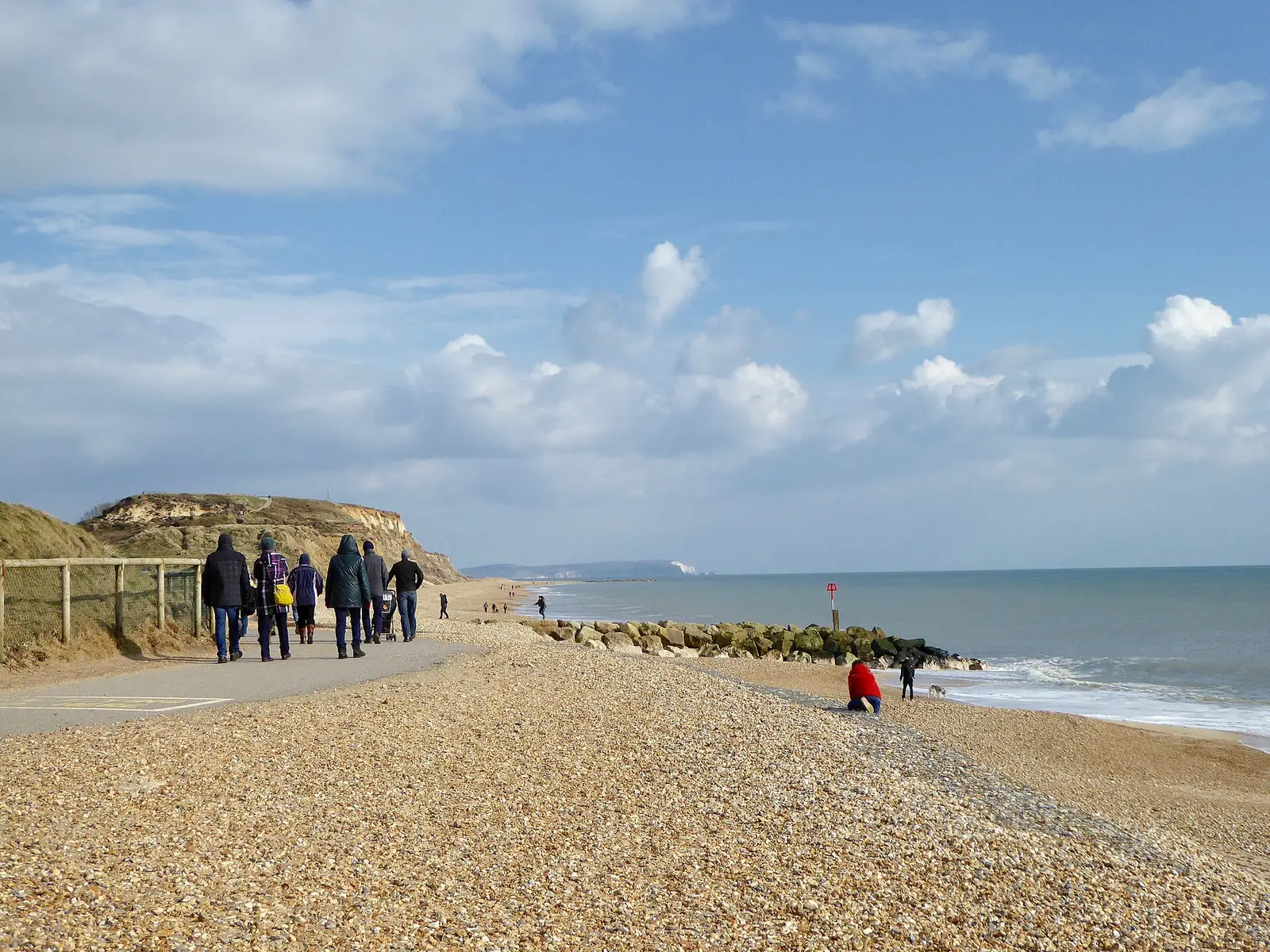
Hengistbury Head, a nature reserve at the eastern end of the bay, is the one attraction on this list that needs real effort to reach. A bus, a long walk, or a cycle along the promenade. It rewards that effort with a headland, a working harbour view and genuine quiet, a contrast to the pier scene.
When to go
Weekday mornings outside the school holidays are the quietest time across the board. The seafront fills from late morning in summer, and the pier and Oceanarium are busiest between noon and four. Arrive before that if crowds bother you.