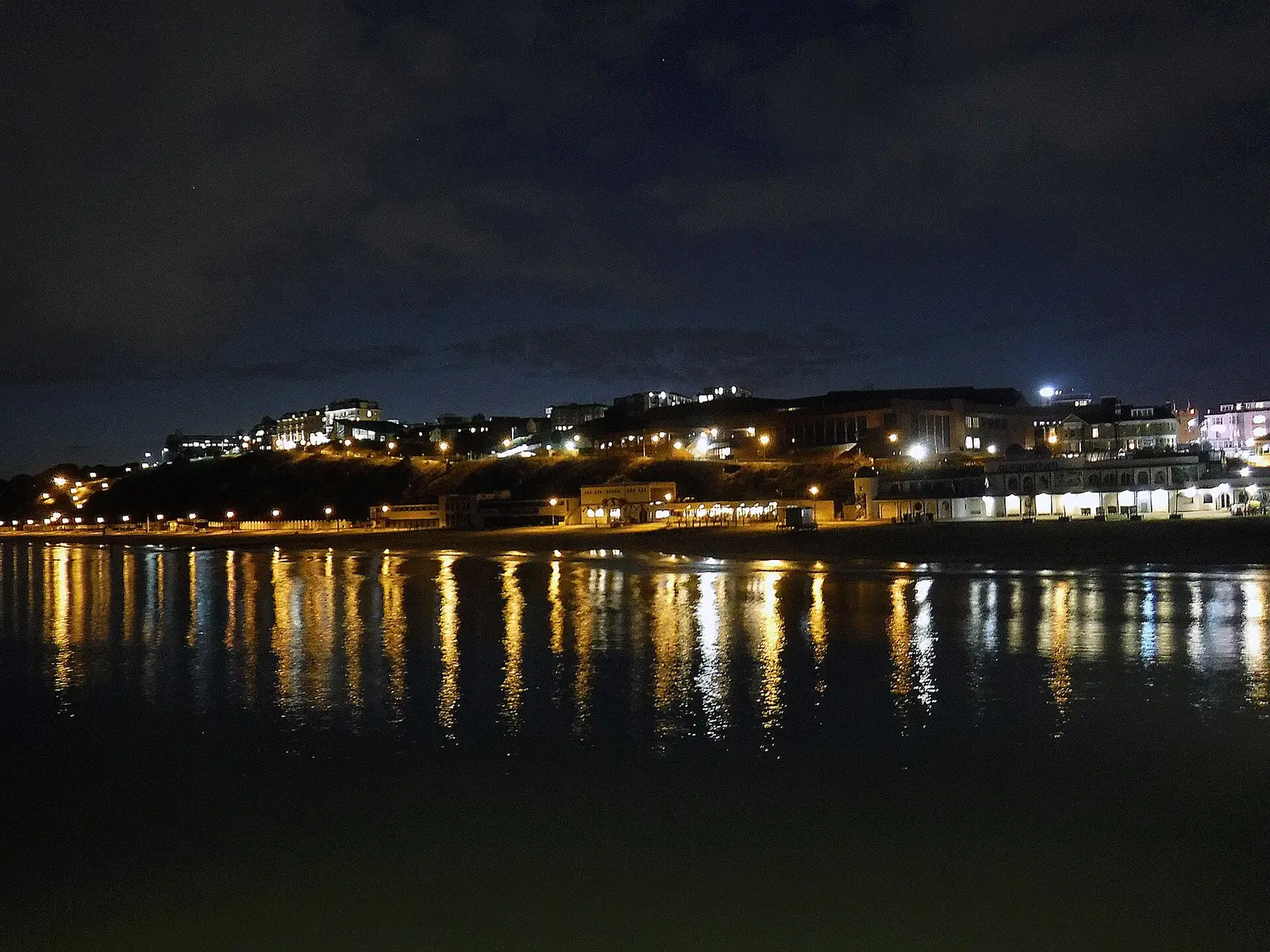
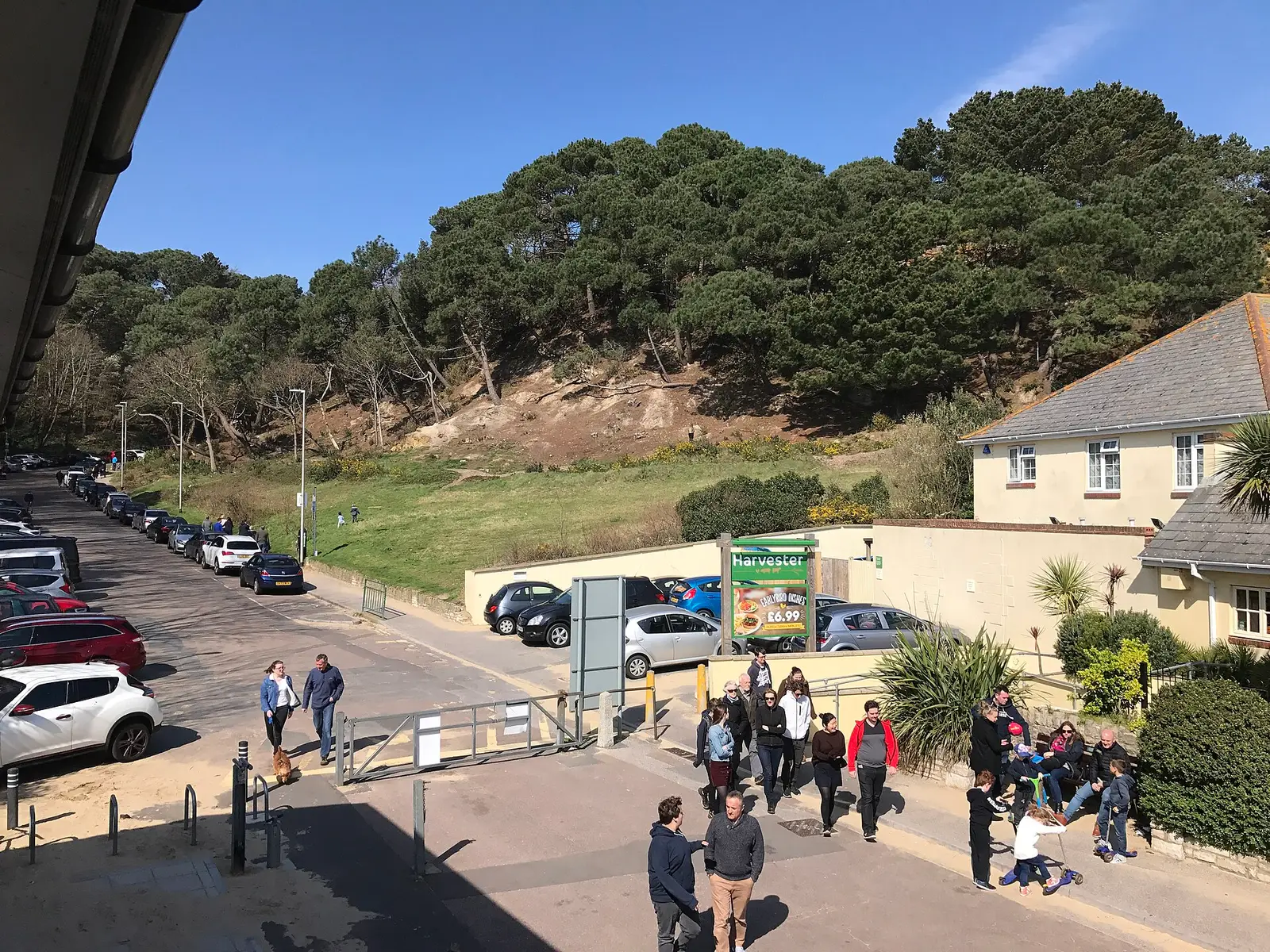
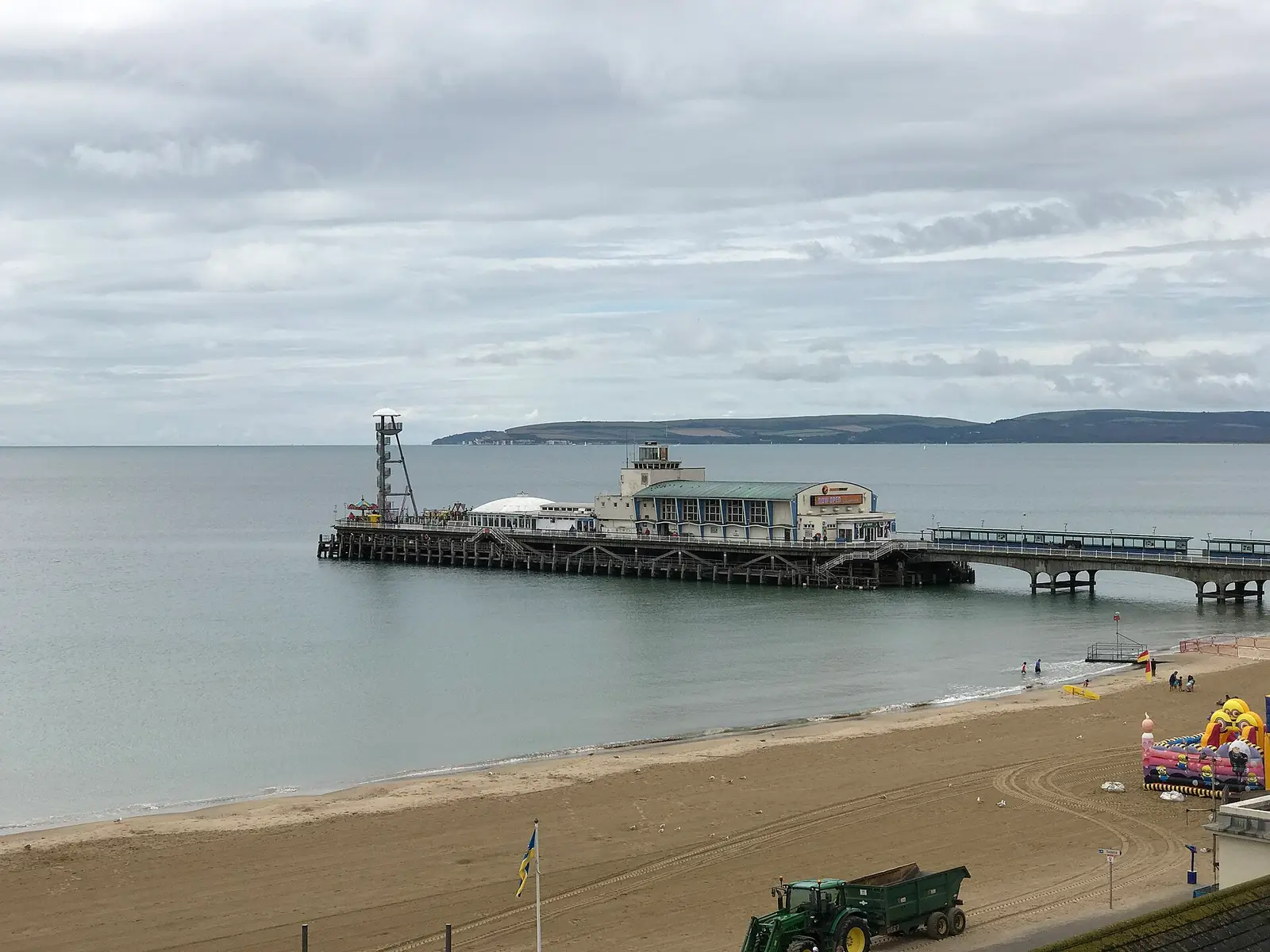
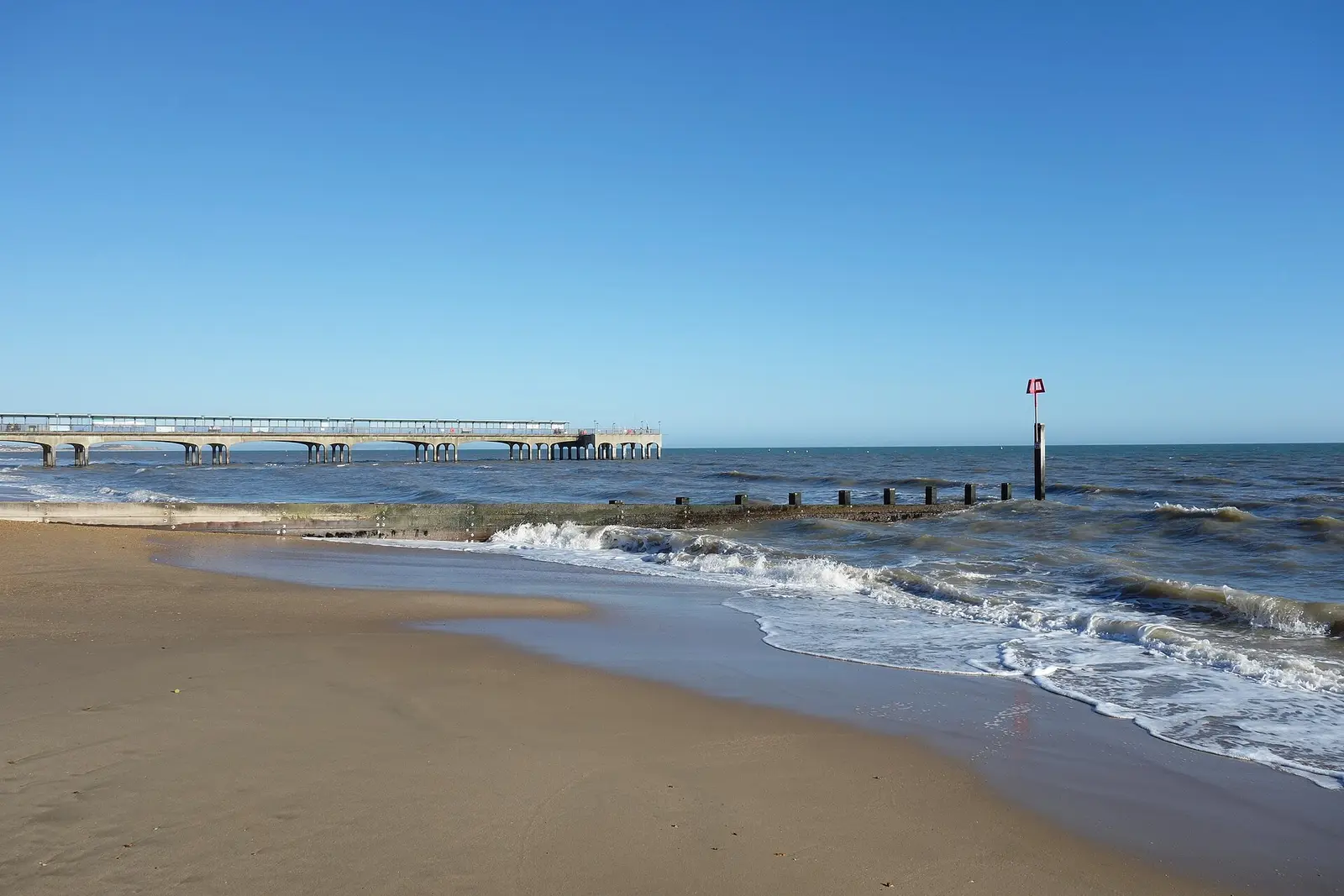
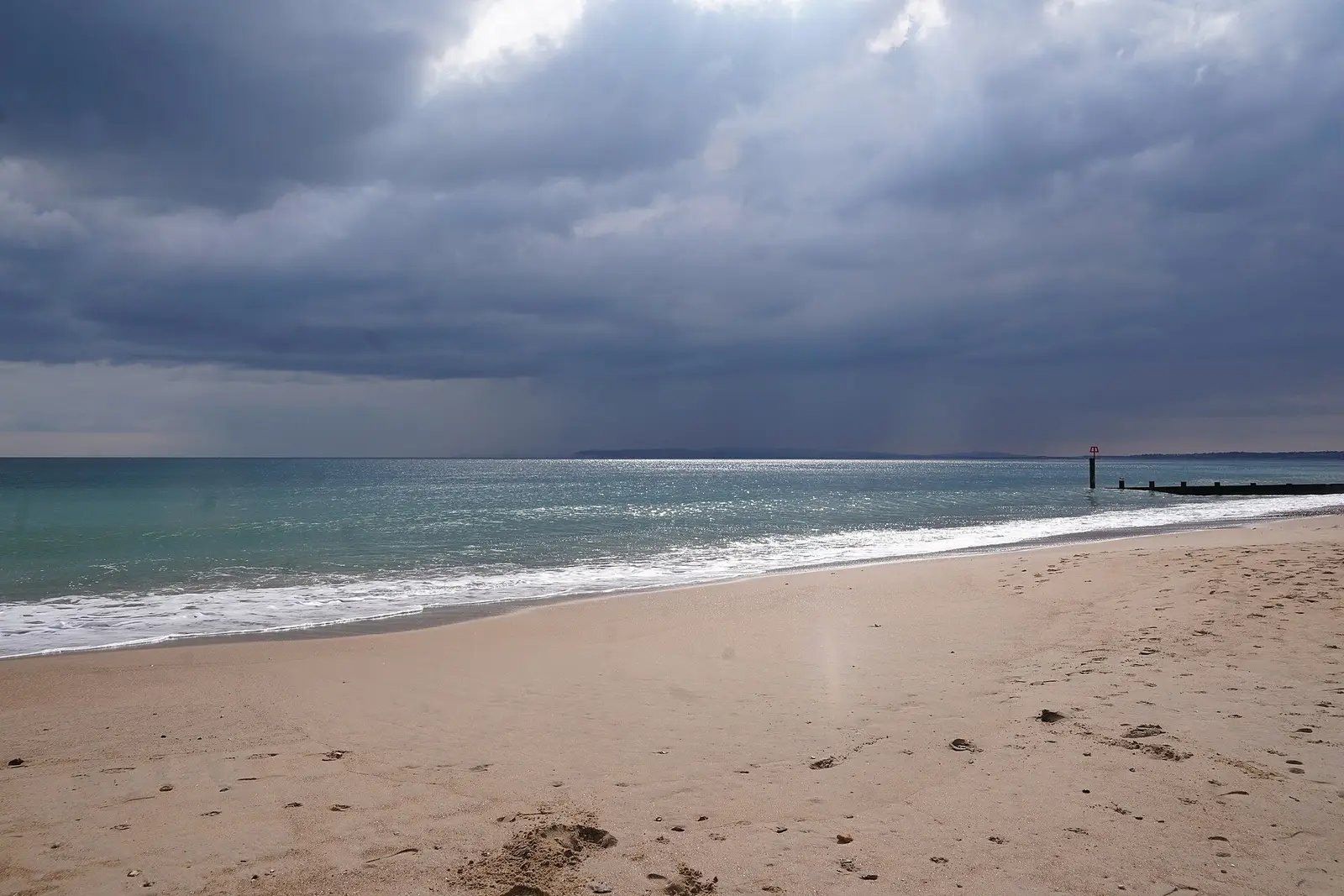
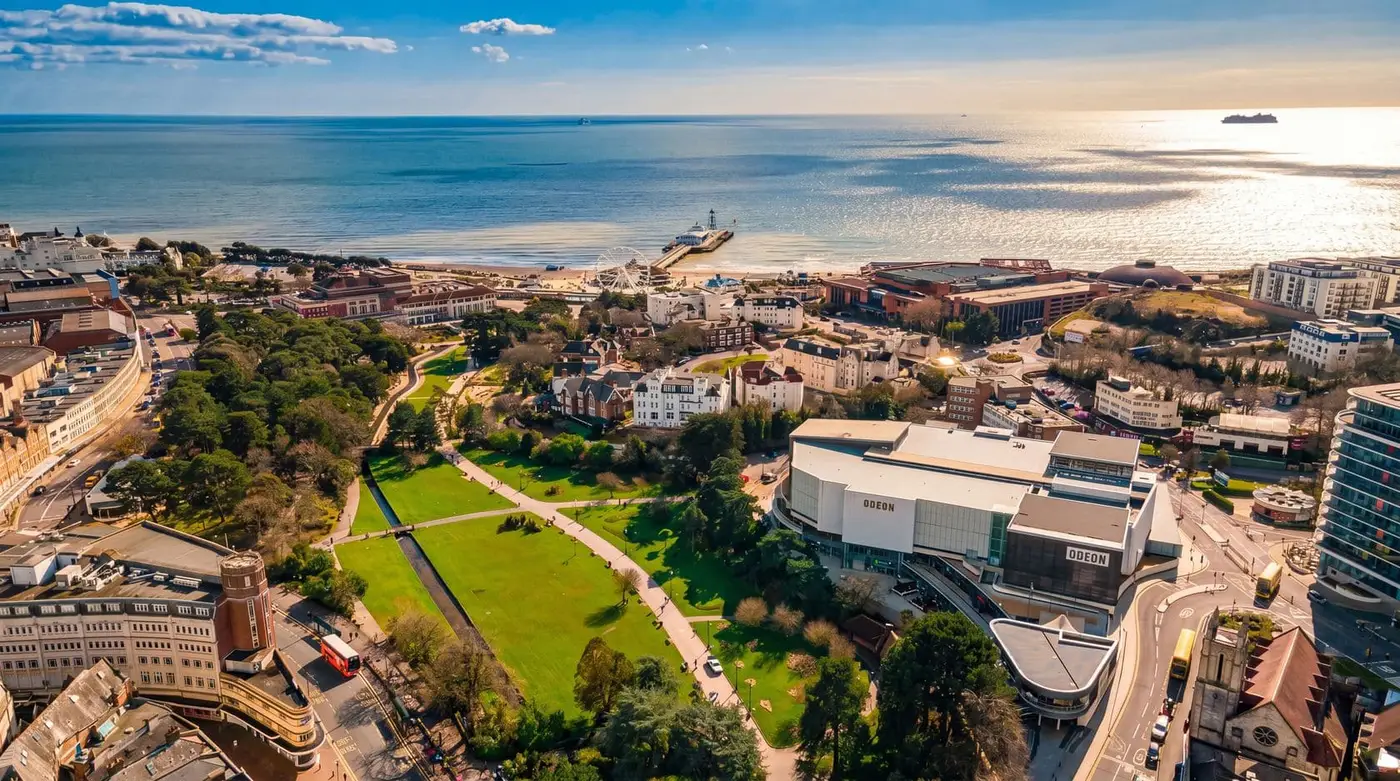
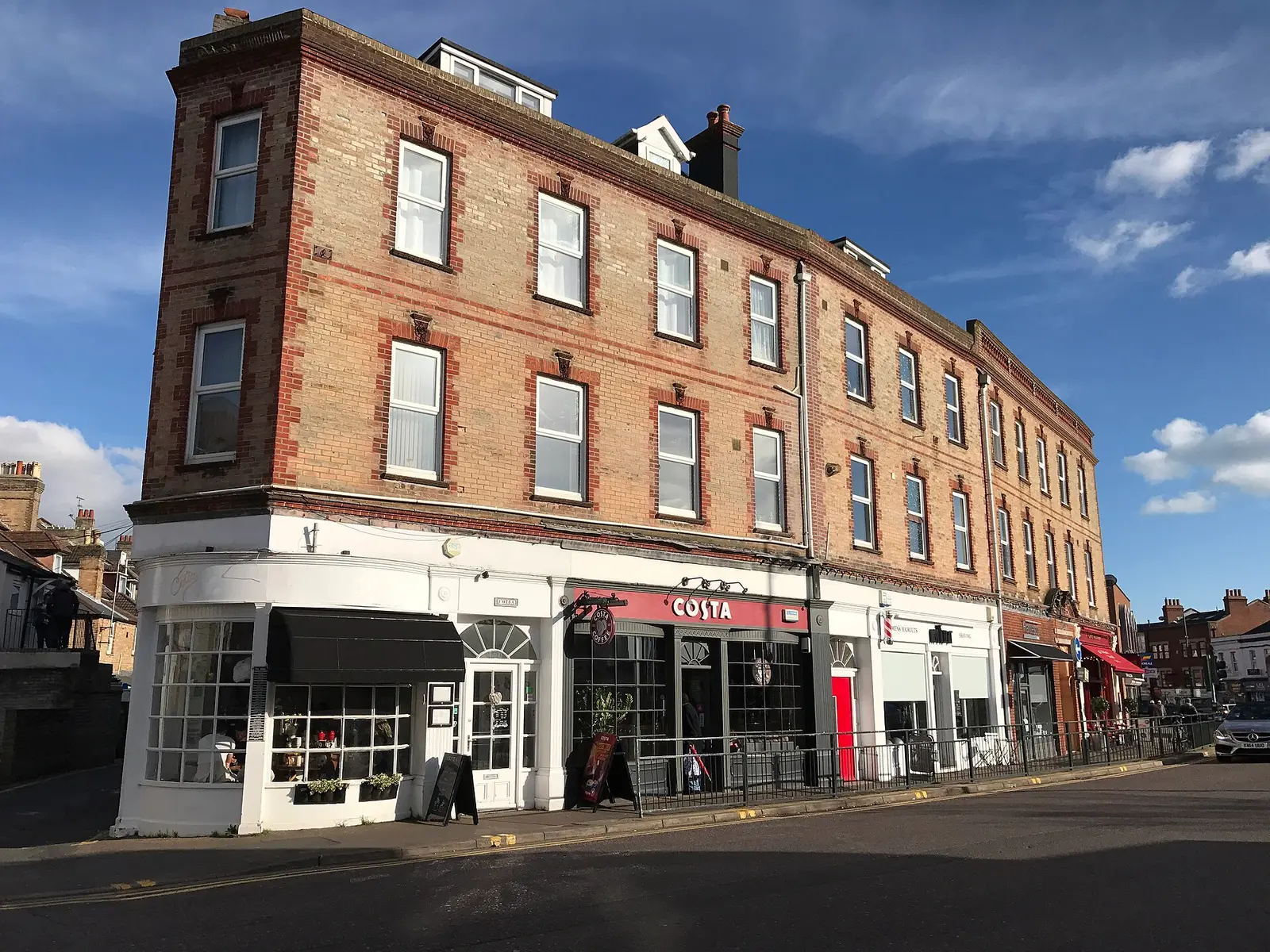
Bournemouth reads as one town from the promenade and as six separate places from your own front door. The bay runs about seven miles west to east, and the neighbourhood you sleep in decides more than most guides admit: whether you can buy milk on a Sunday evening, whether the sand below you is empty in February, whether the walk back from dinner is a pleasure or a taxi fare you resent. What follows compares the six areas people actually base themselves in, with the downsides left in.
The town centre
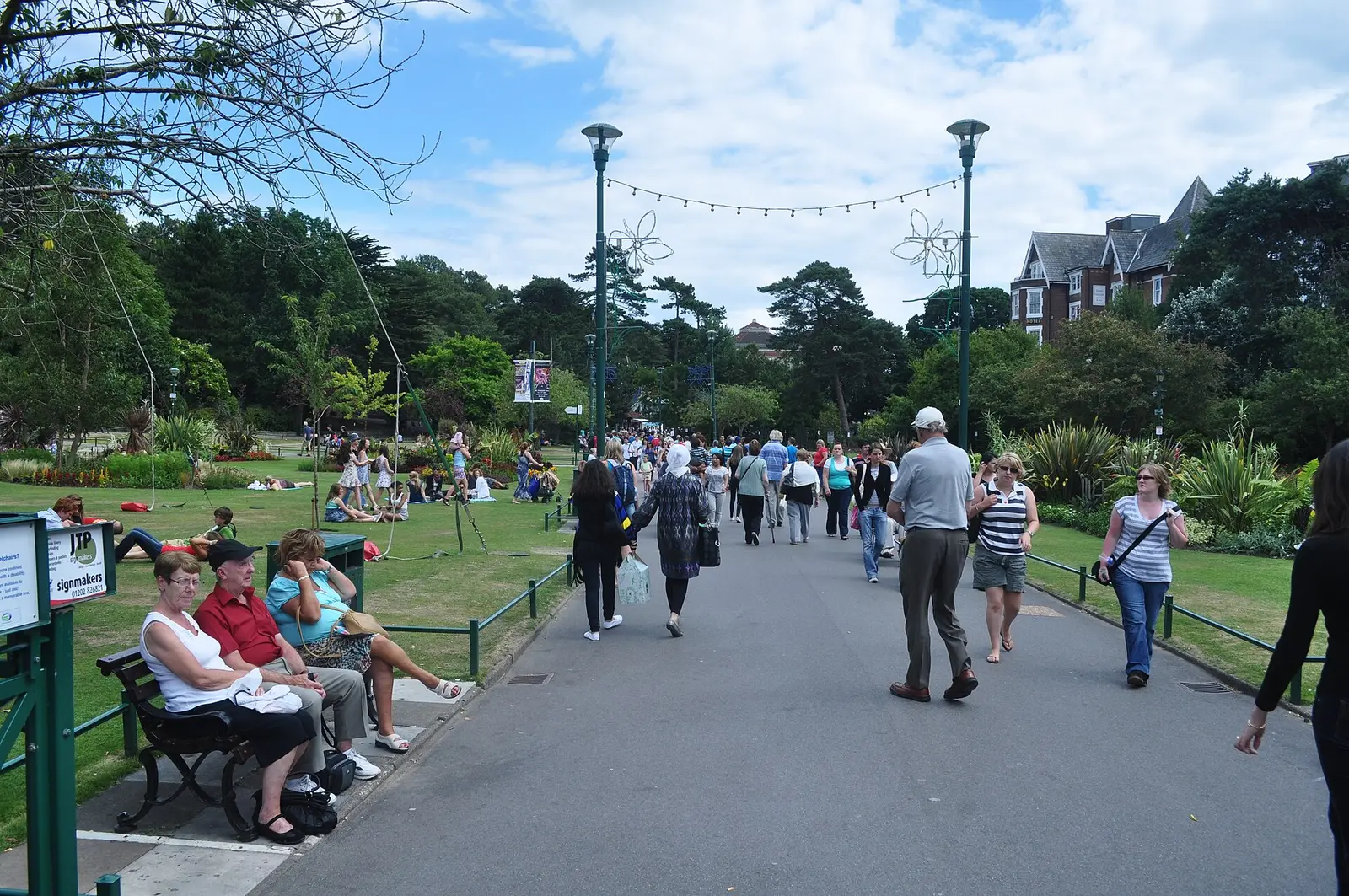
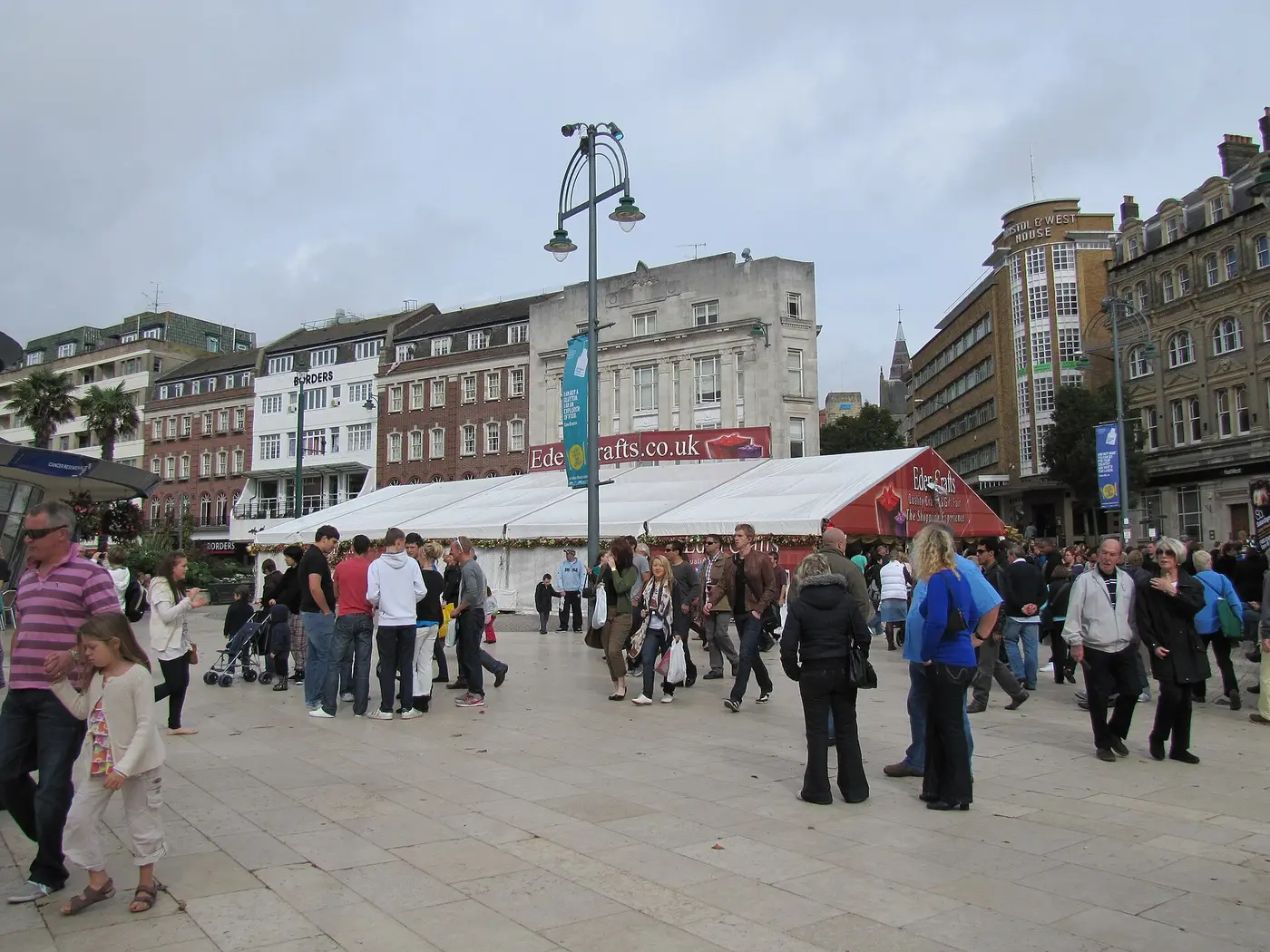
Mornings here start early and loudly: deliveries on Old Christchurch Road, gulls working the rooftops, buses filling the Square. It is the only neighbourhood where you can leave the flat with no plan at all and find the pier, a cinema, a bookable table and a supermarket within a few streets of each other. The Lower Gardens run from the Square down to Pier Approach, so the walk to the sea goes through Grade II registered planting rather than traffic, and the railway station sits at the north-eastern edge by the Lansdowne.
Short stays belong here, as do first visits and anyone arriving by train. The trade-off is the nights. Bournemouth’s club district is concentrated on Old Christchurch Road, Fir Vale Road and around the Triangle, and from Thursday to Saturday it carries a long way. Ask which side of the building your windows face.
West Cliff
This is the hotel quarter: a grid of Victorian terraces and apartment blocks on the clifftop between the Square and Durley Chine Road, with the Bournemouth International Centre at the bottom of the hill. Waking up here is quieter than the centre and nearer the water. Durley Chine and West Beach are directly below, reached by zig-zag paths cut into the cliff face.
Two things are worth knowing before you book. The West Cliff Lift is closed following cliff slips, with no reopening date published, so every trip down to the sand is also a climb back up, and it is a real climb. And a hotel district makes an awkward place to be a resident. Corner shops are thin on the ground, and the streets fall quiet by mid-evening except when the BIC has a full house, when they do precisely the opposite.
East Cliff
Cross Pier Approach and the character shifts. East Cliff is greener and more residential: long Victorian avenues, the art-deco Cumberland facing the sea, Russell-Cotes Museum on the cliff edge above the pier, and small gardens tucked inland. It is the closest neighbourhood to the railway station and the least likely of the central options to keep you awake.
The complication is the cliff itself. The East Cliff Lift has not run since a landslip in April 2016, and stabilisation work on the slope has continued since, with the council’s current programme expected to run to 2028. Sections of the undercliff promenade and the paths down have been fenced off at various points. If a listing sells itself on beach access, check what is actually open the week you arrive.
Boscombe
Boscombe is two places stacked on top of one another. At the bottom: the pier, a wide beach, a chine of Victorian gardens climbing inland, and the most interesting run of seafront kitchens in the town. At the top: Christchurch Road, with the Royal Arcade, the buses, the charity shops and the rents that keep those kitchens affordable.
Nowhere else on the bay gives you as much for the money, and nowhere else is as candid about what it is. Parts of Christchurch Road are tired, the regeneration programme has been running for years and looks it, and the artificial surf reef offshore never produced the wave it was sold on. It has been closed to surfers since 2011. Come for the food and the sand, not for a neat resort street.
Southbourne
Southbourne is the choice when the second week matters more than the first. Southbourne Grove is a working high street rather than a parade of gift shops: bakers, a butcher, delis, cafés with regulars. The clifftop above the beach is a long green walk, and getting down to the sand means a zig-zag path or the Fisherman’s Walk cliff lift, which runs seasonally from around Easter to the end of October. Hengistbury Head closes off the eastern end of the view.
Distance is what you pay. The town centre is a bus ride along Christchurch Road, the evening thins out early, and a late bar means travelling for it. For a month with a family or a dog, that is a fair exchange.
Westbourne
Westbourne is the only one of the six not on the sea, and the one people are most loyal to. Its centre is a Grade II listed shopping arcade of 1884–85, glass-roofed and gothic, running between Poole Road and Seamoor Road, with delis, cafés, a fish and chip restaurant and a very small cinema in and around it.
Alum Chine lies downhill through woodland, so here the beach is a walk rather than a view. That is the whole trade. In return you get the most genuinely useful set of shops of any neighbourhood on this list, and a position on the Poole side that shortens the journey west and lengthens the one into town.
Choosing between them
A few rules hold up well. Short first visit, no car: stay central or on East Cliff. Beach every day with children: West Cliff or Southbourne. A month or more: Southbourne or Westbourne, because they have shops you will use twice a week rather than once a trip. Late nights on foot: the centre or Boscombe.
The promenade is the equaliser. It runs the length of the bay, it is flat, and it makes near-neighbours of places that look far apart on a map. The cliffs are the only real hills in the equation. Buses along Christchurch Road connect the eastern villages to the centre often enough to live without a car, which is covered properly in getting around Bournemouth without a car. One last thing worth weighing: the seafront neighbourhoods change out of season. The town centre and Westbourne barely notice, while Boscombe and Southbourne go quiet from November, so read Bournemouth out of season before you commit to three winter months.