The question is not whether Bournemouth is a pleasant place to be. It plainly is. The question is whether a normal Tuesday works here: whether the calls hold, whether there is somewhere to sit at ten in the morning that is not your own kitchen table, and whether the sea two streets away turns out to be an asset or a slow-motion problem. The answer, after a while, is mostly yes, with a handful of caveats nobody puts in the brochure.
Start with the flat, not the café
Most remote work in this town happens where people sleep, so that is the thing to get right. Across Bournemouth, Christchurch and Poole, around 82 per cent of premises can get full fibre and about 92 per cent can reach a gigabit-capable connection: better than the Victorian street layout suggests. That is availability, not what is plugged in behind your sofa. Ask whoever you are renting from what the line actually delivers, where the router sits relative to the desk, and the thing everyone forgets: whether there is a table at a sensible height and a chair you could sit in for six hours. A sea view is worth less than a second monitor. Our guide to long stays in Bournemouth covers the rest of the domestic side.
The library is the quiet default
Bournemouth Library stands at 22 The Triangle, a short uphill walk from the Square. It opens Monday to Friday from 9am to 6pm and Saturday from 9am to 5pm, and it is shut on Sundays. Inside there is free public wifi, bookable computers, printing, and the real draw. Big tables where nobody is waiting for you to leave. It costs nothing. The trade-offs are honest: it is not silent, you cannot take a call at your seat, and Sunday leaves you without it. Check current library information before you rely on the hours.
Cafés that will let you stay
Flirt sits at 21 The Triangle, a few doors from the library, opens at 9am daily and has free wifi. It turns into a bar in the evening, so it suits a morning shift. South Coast Roast on Richmond Hill is coffee-led rather than a brunch operation: small, serious, not somewhere to spread out. Over in Westbourne, Chines Coffee House has free wifi and the arcades outside for when you need to move. In Boscombe, Boscanova does speciality coffee and brunch properly, though power at the table is not a given. Two hours and two drinks is the fair exchange. Seafront cafés in July are not workplaces.
Coworking, when you need a door
Patch has taken the first floor of the old Bobby’s building on the Square: hot desks, booths for calls, meeting rooms and access from 7am to 10pm. A guest pass is currently £32 plus VAT for a 9am-to-5pm day, with monthly memberships from around £105. Regus and Smart Base sell day and multi-day passes in and around the centre too. Rates move, so confirm before you turn up.
The London train, honestly
Bournemouth station is on Holdenhurst Road, east of the centre, and South Western Railway runs direct services to London Waterloo all day. The quickest take a little under two hours. Many take longer, and a same-day return means about four hours sitting down plus the walk at either end. That is fine once a fortnight and grim every Tuesday. Pokesdown, on the same line, is the useful station if you are based in Boscombe or Southbourne. Once you are back, getting around Bournemouth without a car is genuinely straightforward.
Signal, and the plan for when it fails
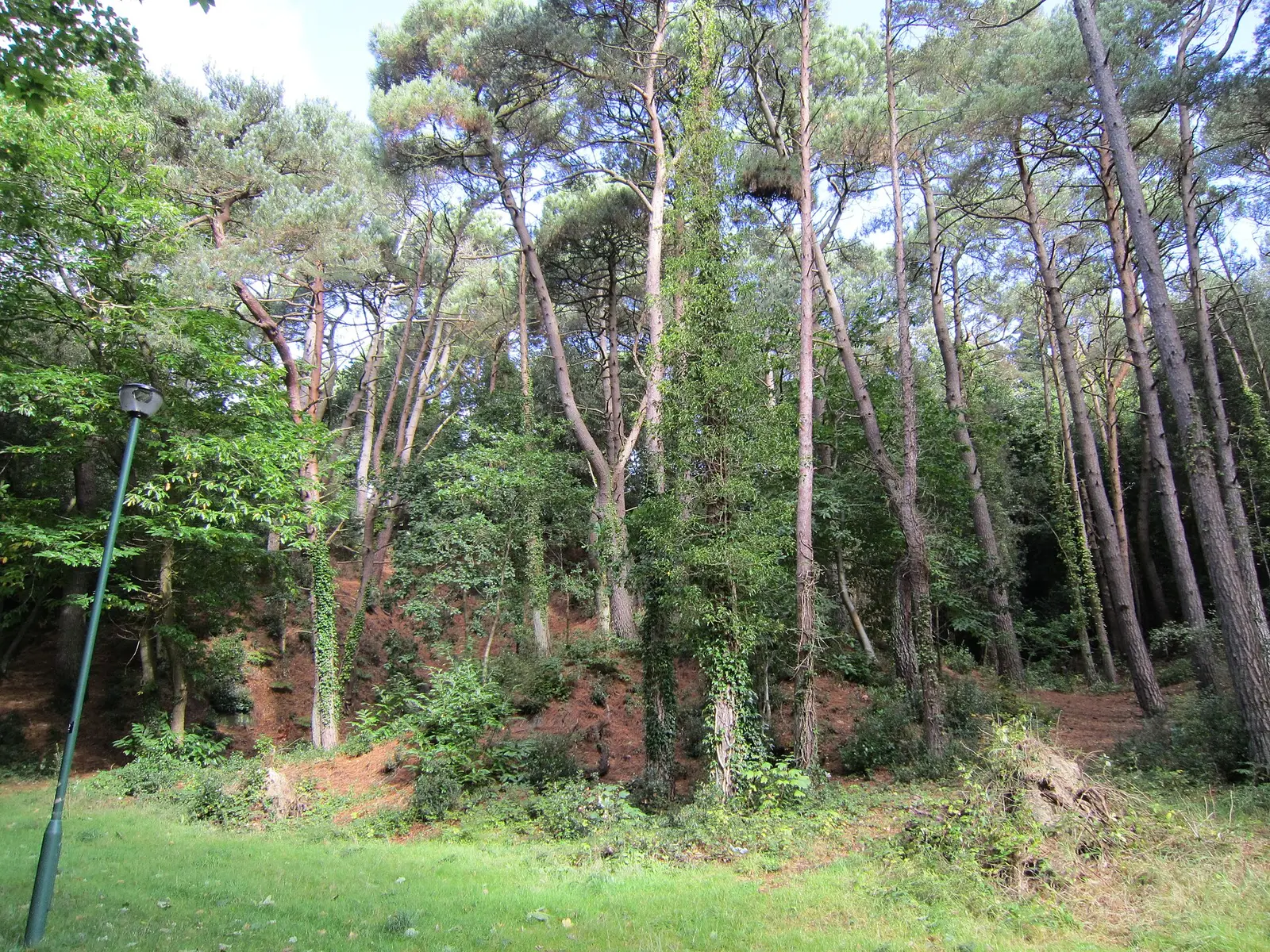
Tethering is the obvious fallback and the one most likely to disappoint. Coverage varies by network and by street, and the steep wooded chines are not friendly terrain for a marginal signal. Check your provider’s coverage map against the postcode, not the town name. When the flat’s connection dies mid-morning, it will, once, the options are the library, a coworking day pass bought on the spot, or the station, which has wifi and a coffee counter.
The five-minute beach problem
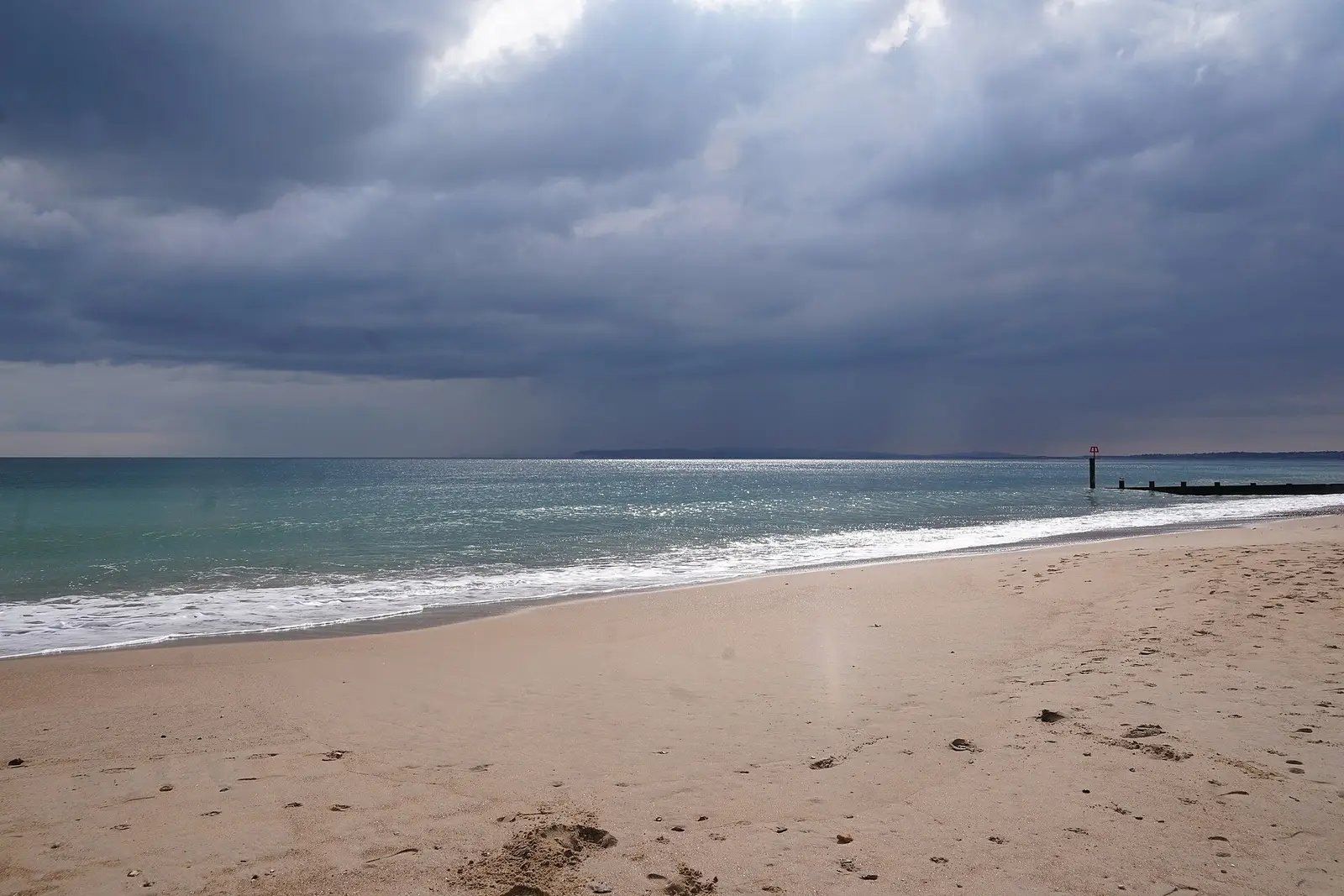
Living this close to the sea does something strange to a working day. The beach is not distracting because it is tempting; it is distracting because it is permanently available, which makes it easy to keep deferring. The fix is to make it a fixed point rather than an option: a swim before the first call, or a walk from two until three. The promenade runs for miles without a road to cross, so a loop out to one of the piers and back feels like a commute, the useful kind with a beginning and an end.
Winter is the better working season
February is when this town is most usable. Tables are free, the library has seats, short-let rates fall and the water is empty. The cost is daylight, and a share of the seafront kiosks closing for the season, so a wet weekday can feel sparse. Summer inverts all of it: better light, worse focus, and a centre that fills from July onwards. More on that in Bournemouth out of season. If you have not chosen where to base yourself yet, that decision matters more than any of this: start with the neighbourhood guide.