Bournemouth is unusually good for a week without a car, because the geography does the work. A flat promenade runs the entire seven miles of the bay, the bus network is frequent, and the two towns at either end are both on direct public transport. Nothing on this route needs booking weeks ahead, and nothing depends on driving.
This week is arranged so it builds. The first days are close to the base, the middle days go further, and the long walk comes when your legs have got used to the place. Swap any day for another if the weather or your mood says otherwise. The order is a suggestion, not a schedule.
Day one: orientation
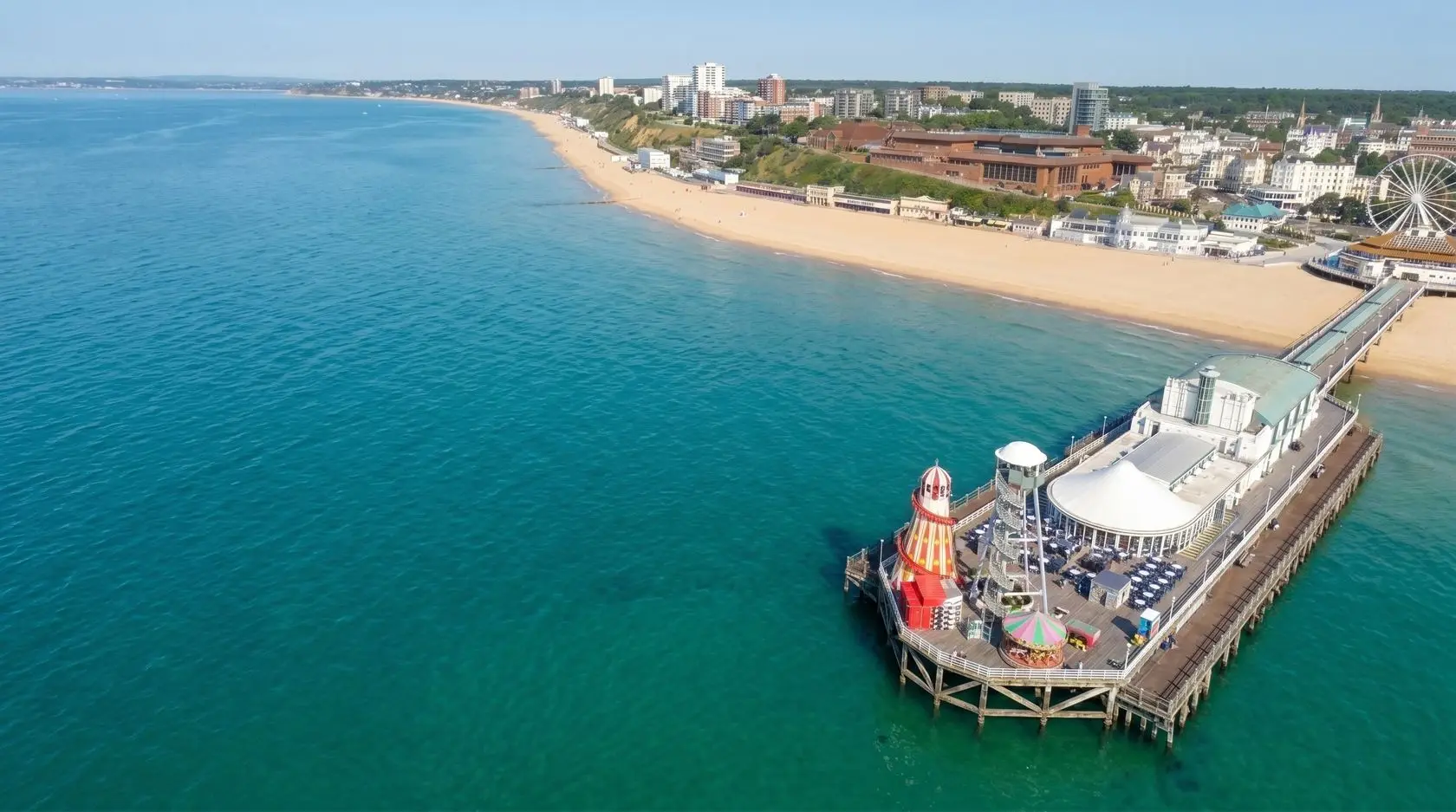
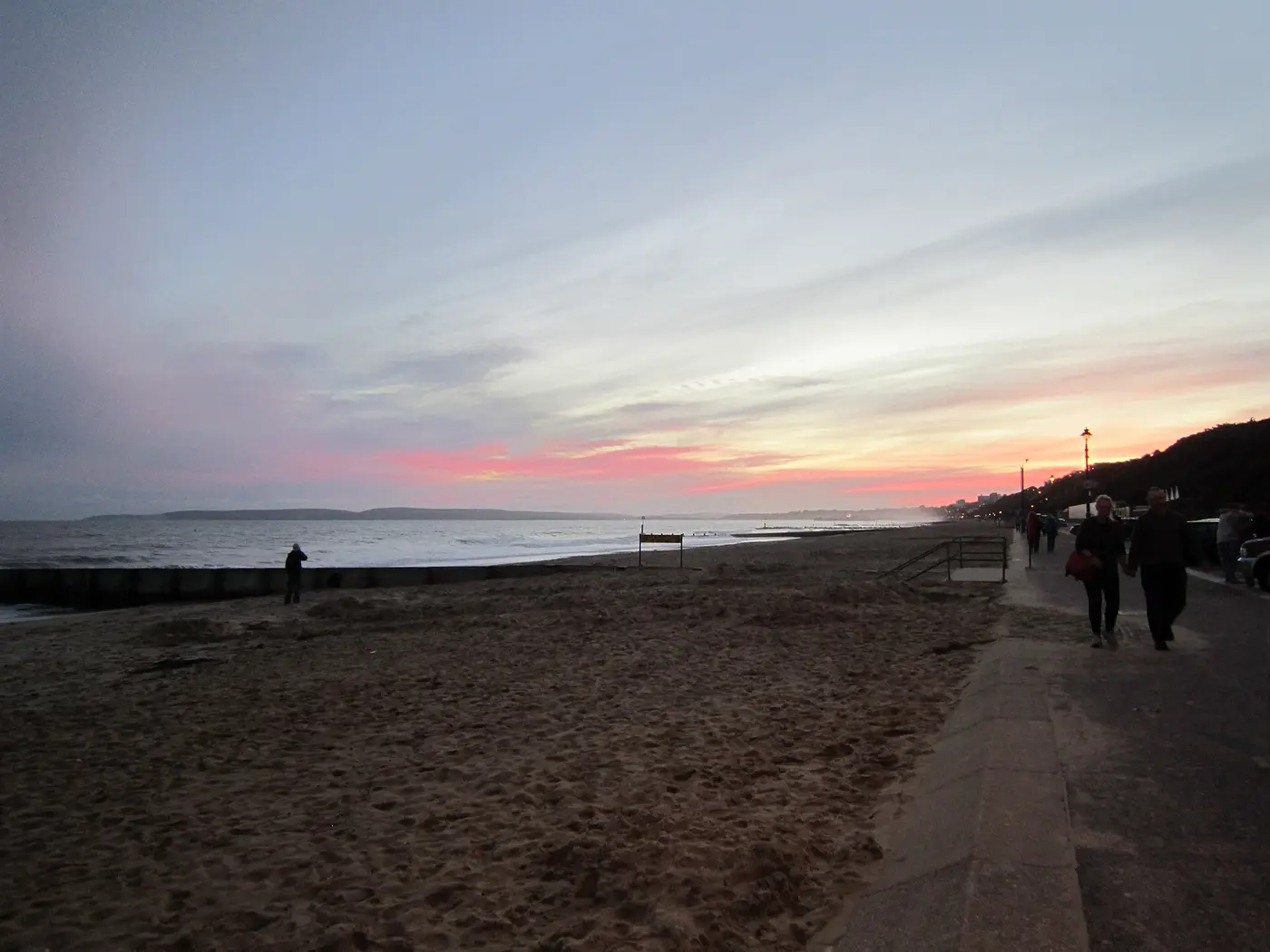
Do not go far. Find the beach nearest to where you are staying, walk the promenade in one direction for twenty minutes and come back. The whole bay makes sense once you have seen how the sand runs, and it is impossible to understand from a map.
Buy food. Find the nearest shop before you need it, particularly if you are self-catering. Most serviced apartments have a kitchen and a washing machine, which is the whole argument for staying a week rather than a weekend.
Day two: the centre
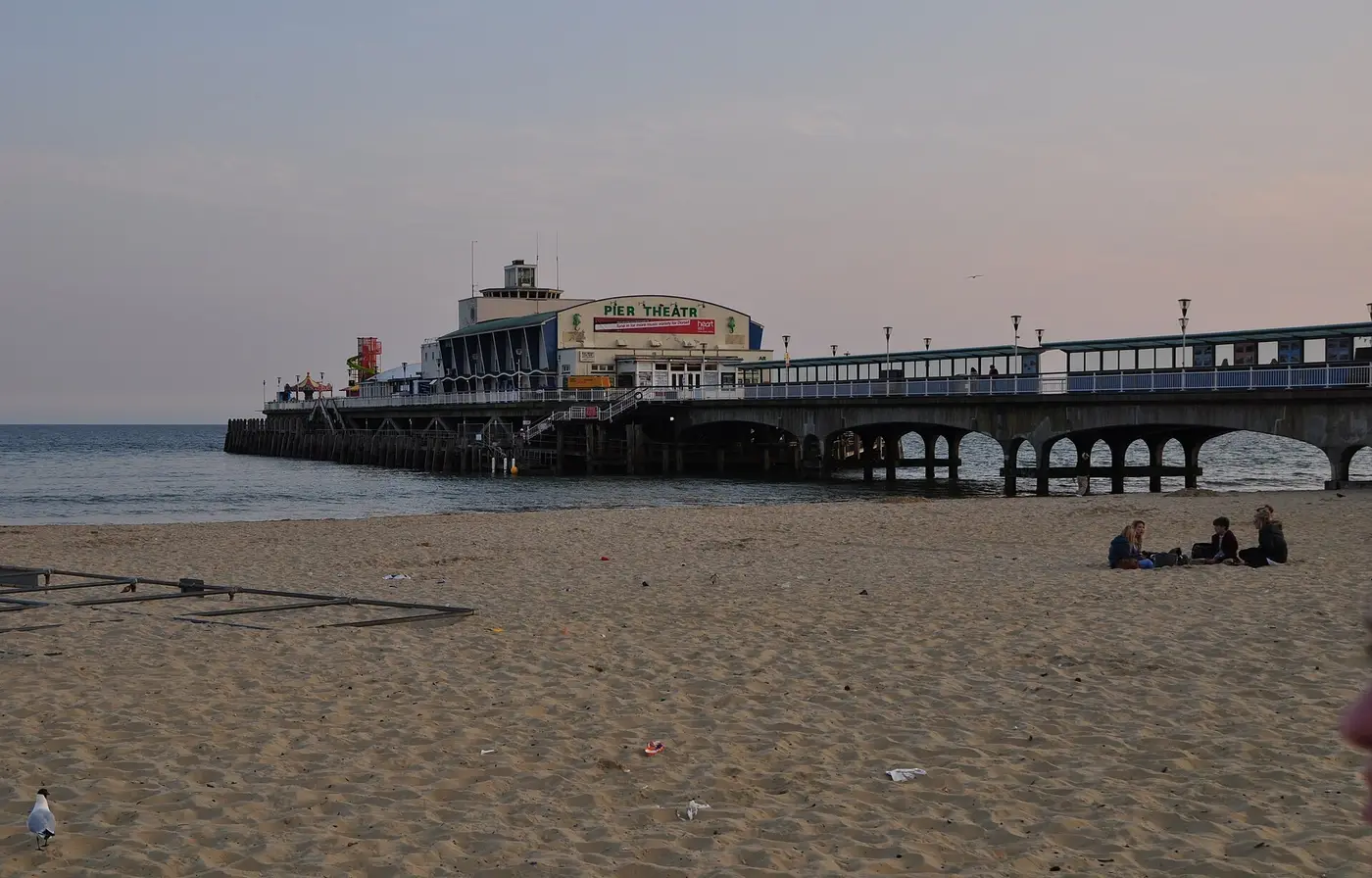
Bournemouth Pier, the Lower Gardens and the Oceanarium sit within a few minutes of each other, so the central attractions are one outing rather than three. The pier itself carries more than a view: RockReef, built into the old pier theatre, has climbing walls and a rope course that run in any weather, and a 250-metre zip line back down to the sand. The Russell-Cotes museum is up on the East Cliff above it and is the better building of the two museums, though it does not open every day, so check before you plan around it.
Day three: east along the sand
Walk to Boscombe, half an hour on the flat between the two piers, and keep going if the weather holds. Southbourne is another stretch on and noticeably emptier. Boscombe is also the bay’s watersports end, so this is the day to try a surf lesson or paddleboard hire if that appeals: turning up on the morning is the normal way to book.
Come back by bus if you have had enough. That is the advantage of a bay served along its whole length.
Day four: a day off
Not every day needs a plan. This is the one where the beach or a book wins, and it is the reason a week beats a long weekend. If the weather has other ideas, this is also the natural day to swap in the wet-weather backup below rather than force an outdoor day that will not deliver.
Day five: Poole
Take the bus or the train west to Poole for the quay and one of the largest natural harbours in the world. It is a genuinely different waterfront to Bournemouth’s: working boats rather than a promenade. If you have the appetite for more walking, Compton Acres, a ten-acre estate of five themed gardens above the harbour, makes a calm afternoon add-on, with tea rooms at the gate if the day turns showery.
Day six: Christchurch
East this time, to Christchurch: the Norman priory, the quay, and the harbour where the Avon and the Stour meet the sea. Older and slower than anything in Bournemouth, and an easy half-day if you would rather save your energy for tomorrow.
Day seven: Hengistbury Head
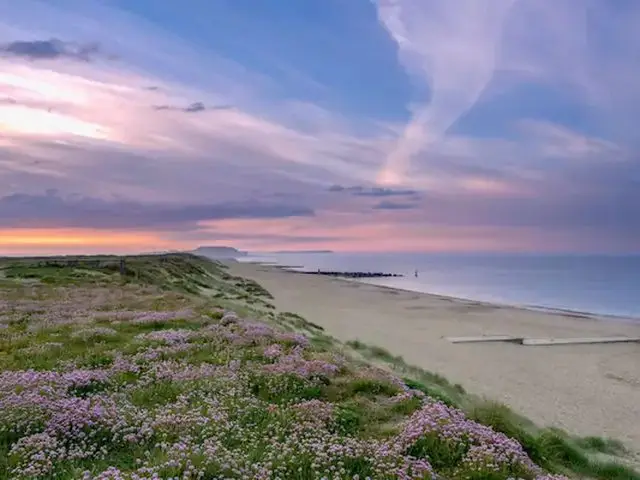
The best walk on this coast, saved for last. Hengistbury Head closes the eastern end of the bay: a nature reserve with Iron Age earthworks, a free visitor centre, and a long approach out to the sandspit, with views back across the entire seven miles you have spent the week on.
Get the bus to Southbourne and walk from there. It takes most of a day and it is the right way to finish.
If it rains
Bournemouth’s wet-weather options cluster conveniently in one place: the Oceanarium and RockReef are both step-free and both inside the pier and its landward end, the Russell-Cotes has ground-floor access, and the Odeon and the Bournemouth International Centre cover an evening indoors. Swap any of the outdoor days above for this cluster rather than pushing through poor weather on a headland or a beach walk that will not reward it.
Practicalities
Getting around without a car covers the buses, the trains and the seasonal cycling rules on the promenade in detail. If you are still choosing a base, the neighbourhood guide compares every option along the bay.