
Chlorinated water leak raises environmental concerns for New Forest river
A major chlorinated water leak near the Beaulieu River in the New Forest has raised environmental concerns over potential harm to aquatic life and the delicate river ecosystem.
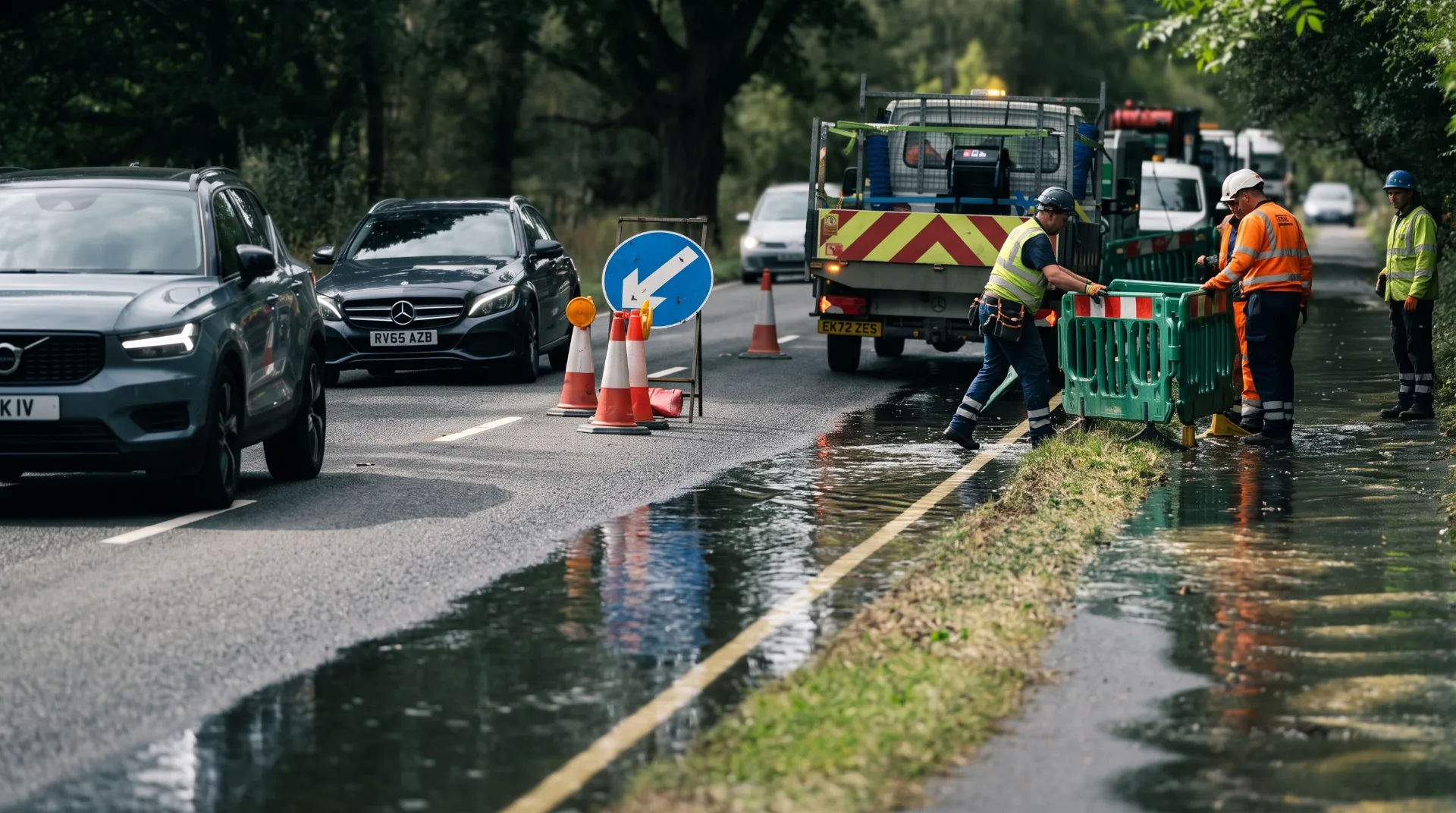
Chlorinated Water Leak Raises Concerns for New Forest River
What Happened with the Chlorinated Water Leak?
A major leak of chlorinated water occurred in the upper Beaulieu River area of the New Forest. This incident was caused by a burst 10-inch water main located near the A35 Southampton Road, between Lyndhurst Golf Club and the Lyndhurst Wastewater Treatment Works. The leak lasted for at least 10 hours, releasing an amount of water equivalent to one or more Olympic-sized swimming pools.
The scale of this chlorinated water leak has sparked fears about potential environmental damage, especially considering the sensitive nature of the New Forest river ecosystem.
Why Is Chlorinated Water a Concern for Rivers?
Chlorinated water is commonly used in water treatment to kill bacteria and other pathogens, making it safe for human consumption. However, when large volumes of chlorinated water enter natural water bodies, it can have harmful effects on aquatic life.
Chlorine is toxic to many fish and invertebrates, and its presence in rivers can disrupt the delicate balance of ecosystems. It can reduce oxygen levels and harm species that depend on clean, unpolluted water, potentially leading to long-term environmental damage.
This recent chlorinated water leak highlights the risks posed when treated water escapes into sensitive environments like the New Forest, where the river ecosystem is particularly vulnerable.
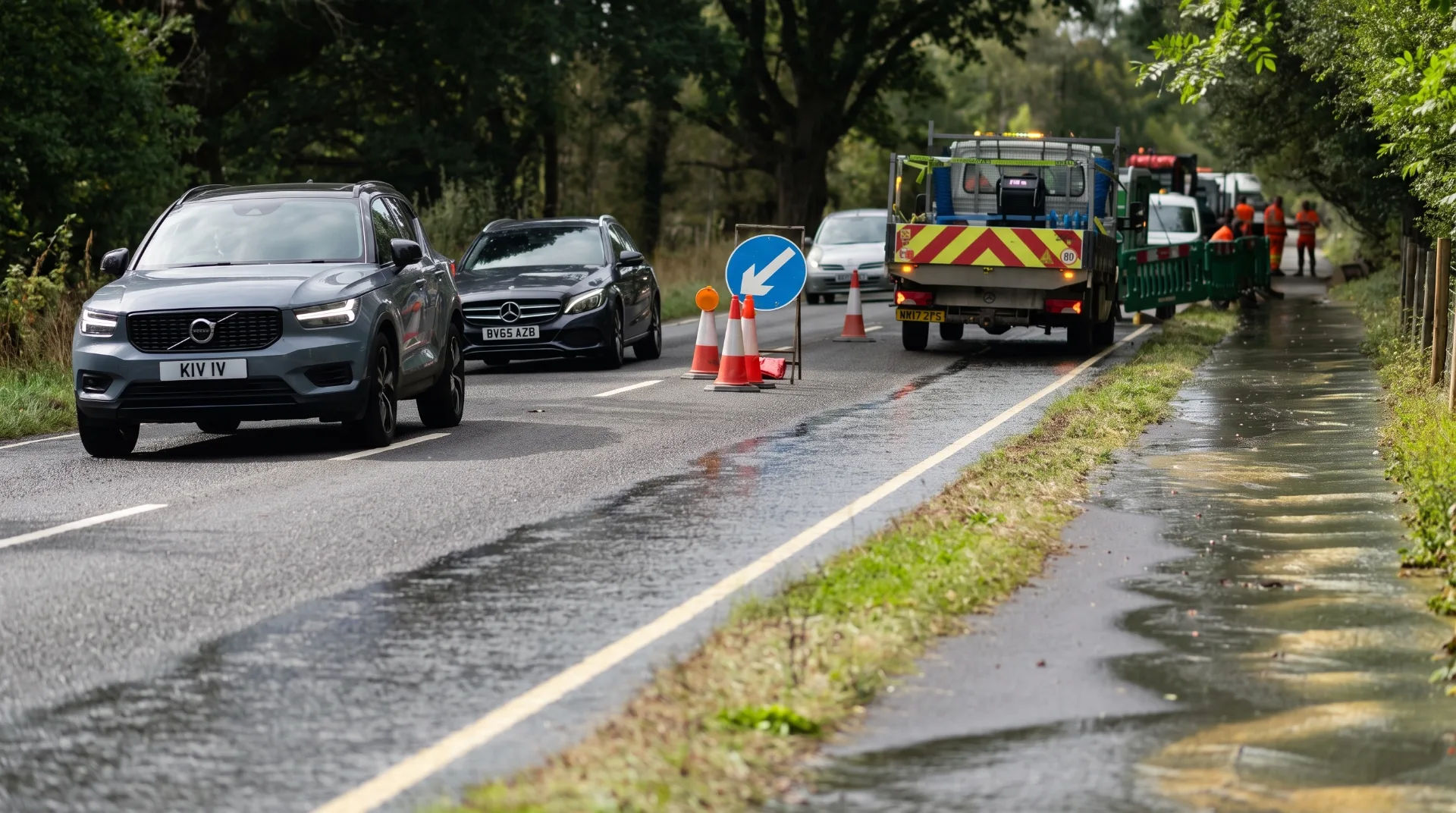
How Are Such Leaks Detected and Managed?
Water companies typically monitor their infrastructure for leaks and bursts, but incidents like this chlorinated water leak can still happen due to ageing pipes or unforeseen damage. Once a leak is detected, emergency repairs are usually prioritised to minimise water loss and environmental impact.
In this case, the chlorinated water leak was identified after it had already lasted several hours, which raises questions about how quickly such incidents can be spotted and addressed in rural or protected areas like the New Forest.
For those interested in how such environmental issues are managed locally, the BCP Council provides official updates and guidance on water safety and infrastructure.
What Are the Environmental Implications for the New Forest?
The New Forest is a protected area with a rich variety of wildlife and habitats. Rivers here support numerous species, some of which are sensitive to water quality changes.
A large influx of chlorinated water from this leak could affect fish populations, aquatic plants, and the overall health of the river environment. It may also impact recreational activities and the natural beauty that attracts visitors to the area.
Environmental agencies and local authorities will likely monitor the river closely following the chlorinated water leak to assess any lasting damage and plan necessary remediation.
For those wanting to explore the natural surroundings responsibly, our Explore page offers information on the New Forest and nearby areas.
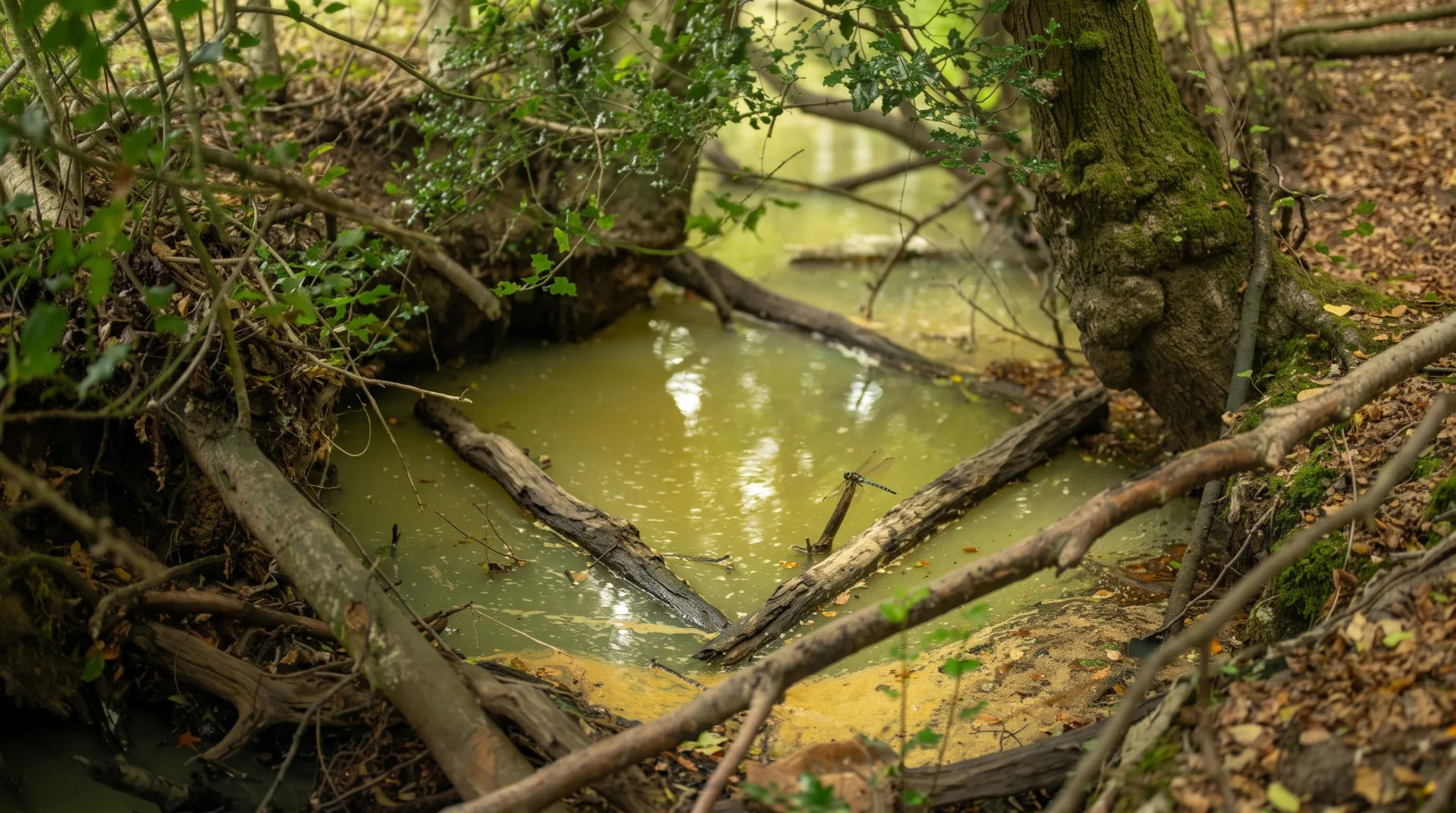
What Can Be Done to Prevent Future Chlorinated Water Leaks?
Preventing such chlorinated water leaks involves regular maintenance and upgrading of water infrastructure, especially in environmentally sensitive zones. Improved monitoring technology, such as sensors and automated alerts, can help detect leaks more quickly.
Water companies and councils may also need to work together to ensure rapid response plans are in place, minimising the risk of environmental harm when incidents occur.
For ideas on outdoor activities and nature reserves where conservation is key, see our Things to Do section.
How Can the Public Stay Informed About Water Safety and Environmental Issues?
Local residents and visitors can stay updated on water safety and environmental news through official channels such as the BCP Council website and local news outlets. Public notices and newsletters often provide timely information about incidents affecting the area.
For those interested in the natural environment of the New Forest and surrounding areas, resources like the National Trust and Visit Dorset offer guidance on conservation efforts and how to enjoy the outdoors responsibly.
For more about the environment and local news, see our Bournemouth News section. To explore the beautiful natural surroundings, visit our Explore page. If you want to enjoy the outdoors responsibly, the National Trust website is a valuable resource.
For details on local water safety and infrastructure, the BCP Council provides official updates and guidance.
Understanding Chlorinated Water and Its Impact
What Is Chlorinated Water?
Chlorinated water is water that has been treated with chlorine compounds to disinfect it. This process kills harmful bacteria and viruses, ensuring the water is safe for drinking and household use.
The chlorine used is typically at low concentrations safe for human consumption but can be harmful to wildlife if released in large quantities into natural habitats.
How Does Chlorine Affect Aquatic Life?
Chlorine is highly reactive and can damage the gills and skin of fish, as well as aquatic plants and invertebrates. It can reduce biodiversity by killing sensitive species and disrupting food chains.
Even small amounts of chlorine can be toxic, so a large chlorinated water leak like the one in the New Forest could have significant ecological consequences.
What Are the Signs of Chlorine Pollution in Rivers?
Visible signs may include dead fish or other aquatic creatures, changes in water colour, and a noticeable chemical smell. However, chlorine can also cause less obvious damage that affects reproduction and growth in aquatic species.
Environmental monitoring often involves chemical testing of water samples to detect chlorine levels and assess the health of the ecosystem.
Response and Recovery After a Chlorinated Water Leak
Who Is Responsible for Managing the Leak?
Water companies are responsible for maintaining mains and managing leaks. Environmental agencies oversee the protection of natural habitats and may intervene if pollution occurs.
Local councils and conservation groups may also be involved in monitoring and recovery efforts.
What Steps Are Taken to Mitigate Environmental Damage?
Immediate steps include stopping the leak and preventing further contamination. Water may be diverted or treated to reduce chlorine concentration before entering natural watercourses.
Long-term recovery might involve habitat restoration, restocking fish populations, and ongoing water quality monitoring.
How Can the Community Help?
Community members can report signs of pollution or environmental distress to local authorities. Supporting conservation initiatives and staying informed about local environmental issues also contributes to protecting natural resources.
For more on local nature reserves and outdoor activities, see our Beaches section.
Protecting the New Forest River Environment
Why Is the New Forest Environment Special?
The New Forest is a unique landscape with protected woodlands, heathlands, and rivers. It supports rare species and offers important recreational and educational opportunities.
Maintaining water quality is essential to preserving this natural heritage.
What Are the Challenges in Balancing Infrastructure and Conservation?
Infrastructure such as water mains is vital for communities but can pose risks to sensitive environments if not properly managed.
Balancing the needs of development and conservation requires careful planning, investment in resilient infrastructure, and collaboration between stakeholders.
For more about local nature reserves, see our Turbary Common Local Nature Reserve page.
For more on local nature reserves and outdoor activities, see our Things to Do and Beaches sections.
Frequently asked questions
What caused the chlorinated water leak in the New Forest?
The leak was caused by a burst 10-inch water main near the A35 Southampton Road, between Lyndhurst Golf Club and the Lyndhurst Wastewater Treatment Works. This led to a major release of chlorinated water into the upper Beaulieu River area, lasting for at least 10 hours.
Why is chlorinated water harmful to rivers like the Beaulieu River?
Chlorinated water contains chlorine compounds used to disinfect drinking water, but chlorine is toxic to many fish, invertebrates, and aquatic plants. Its presence in natural water bodies can reduce oxygen levels and disrupt ecosystems, potentially causing long-term environmental damage to sensitive species in the river.
How are leaks like this detected and managed by water companies?
Water companies monitor their infrastructure for leaks and bursts, but incidents can still occur due to ageing pipes or damage. Once detected, emergency repairs are prioritised to minimise water loss and environmental harm. In this case, the leak lasted several hours before being identified, highlighting challenges in quick detection in rural or protected areas.
What environmental impact could the chlorinated water leak have on the New Forest?
The New Forest is a protected area with diverse wildlife and habitats. The large influx of chlorinated water could harm fish populations, aquatic plants, and the overall health of the river ecosystem. This may also affect recreational activities and the natural beauty of the area, prompting environmental agencies to monitor and assess any lasting damage.
What measures can prevent future chlorinated water leaks in sensitive areas?
Preventing leaks involves regular maintenance and upgrading of water infrastructure, especially in environmentally sensitive zones. Improved monitoring technology like sensors and automated alerts can help detect leaks faster. Collaboration between water companies and councils to ensure rapid response plans is also crucial to minimise environmental harm.
How can local people stay informed about water safety and environmental issues in the New Forest?
Residents and visitors can follow official updates through the BCP Council website and local news outlets. Public notices and newsletters provide timely information on incidents. Organisations such as the National Trust and Visit Dorset also offer resources on conservation and responsible enjoyment of the natural environment.
What signs indicate chlorine pollution in rivers?
Visible signs of chlorine pollution include dead fish or aquatic creatures, changes in water colour, and a chemical smell. However, chlorine can also cause less obvious damage affecting reproduction and growth in aquatic species. Environmental monitoring often requires chemical testing of water samples to detect chlorine levels.

Comments (0)
No comments yet. Be the first to join the conversation.