
Bournemouth Weather: Best Time to Visit and Stay
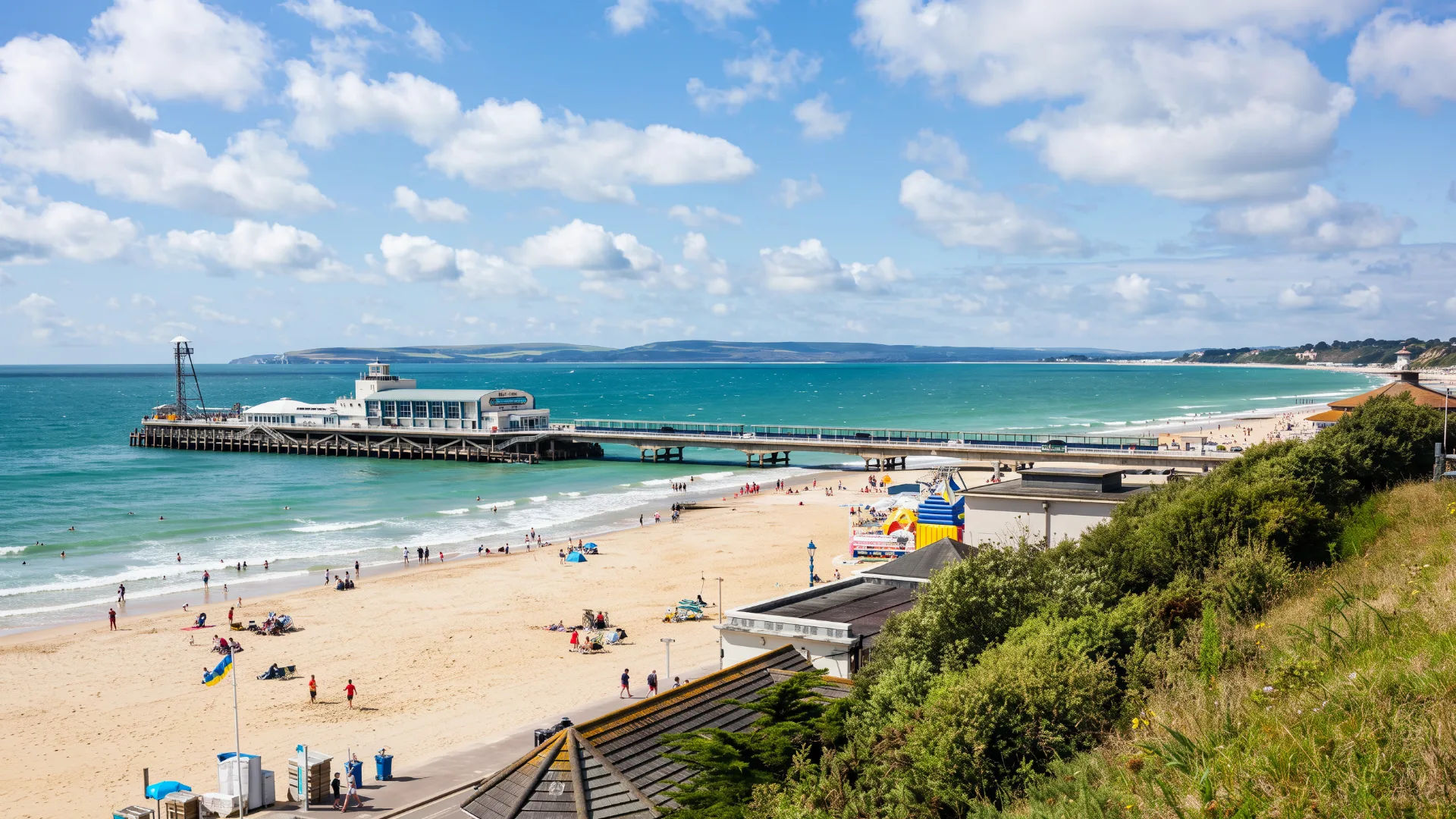
Bournemouth's coastal climate offers warm summers, relatively mild winters and plenty of opportunities to enjoy the Dorset coastline throughout the year.
Bournemouth weather is a key reason why visitors return to this part of the Dorset coast all year round. The town enjoys warm summer afternoons, long daylight hours and relatively mild winters, making it a popular destination beyond the traditional seaside holiday season.
According to Met Office climate records from nearby Hurn, Bournemouth receives approximately 1,780 hours of sunshine annually, with average daytime temperatures reaching 22°C during July and August.
While summer is ideal for beach holidays, spring and early autumn offer particularly pleasant conditions for coastal walks, cycling and exploring Bournemouth without the peak-season crowds.
Bournemouth Weather Overview
Bournemouth weather by month
Knowing the average temperatures and sunshine hours before booking can help you choose the best time for your trip.
| Month | Average high | Average low | Sunshine hours |
|---|---|---|---|
| January | 9°C | 2°C | 67 |
| February | 9°C | 2°C | 84 |
| March | 11°C | 3°C | 128 |
| April | 14°C | 4°C | 188 |
| May | 17°C | 7°C | 223 |
| June | 20°C | 10°C | 230 |
| July | 22°C | 12°C | 234 |
| August | 22°C | 12°C | 209 |
| September | 20°C | 10°C | 163 |
| October | 16°C | 7°C | 113 |
| November | 12°C | 4°C | 79 |
| December | 9°C | 2°C | 61 |
Source: Met Office climate averages for Hurn, 1991–2020. Figures are rounded long-term averages, and conditions directly beside the sea may differ.

Seasonal Bournemouth Weather
Bournemouth weather in spring
March to May: Mild temperatures and increasing sunshine
Spring is an excellent time to explore Bournemouth before the summer holidays begin. Temperatures gradually rise from around 11°C in March to 17°C in May, while daylight hours become considerably longer.
May averages more than 220 hours of sunshine, making it particularly appealing for outdoor activities. This season is perfect for walking through Bournemouth Gardens, hiring a bike along the seafront or exploring Hengistbury Head and Christchurch countryside.
The beaches are generally quieter than during summer, although it is wise to bring a jacket for cooler evenings by the sea.
Spring activities and atmosphere
Spring visitors will find the town waking up after winter, with gardens blooming and local cafes opening their terraces. It is a peaceful time for cycling along the promenade or enjoying early beach days without the crowds.
This season suits those who prefer mild weather and outdoor exploration without the bustling summer atmosphere.
Bournemouth weather in summer
June to August: Warmest and sunniest months
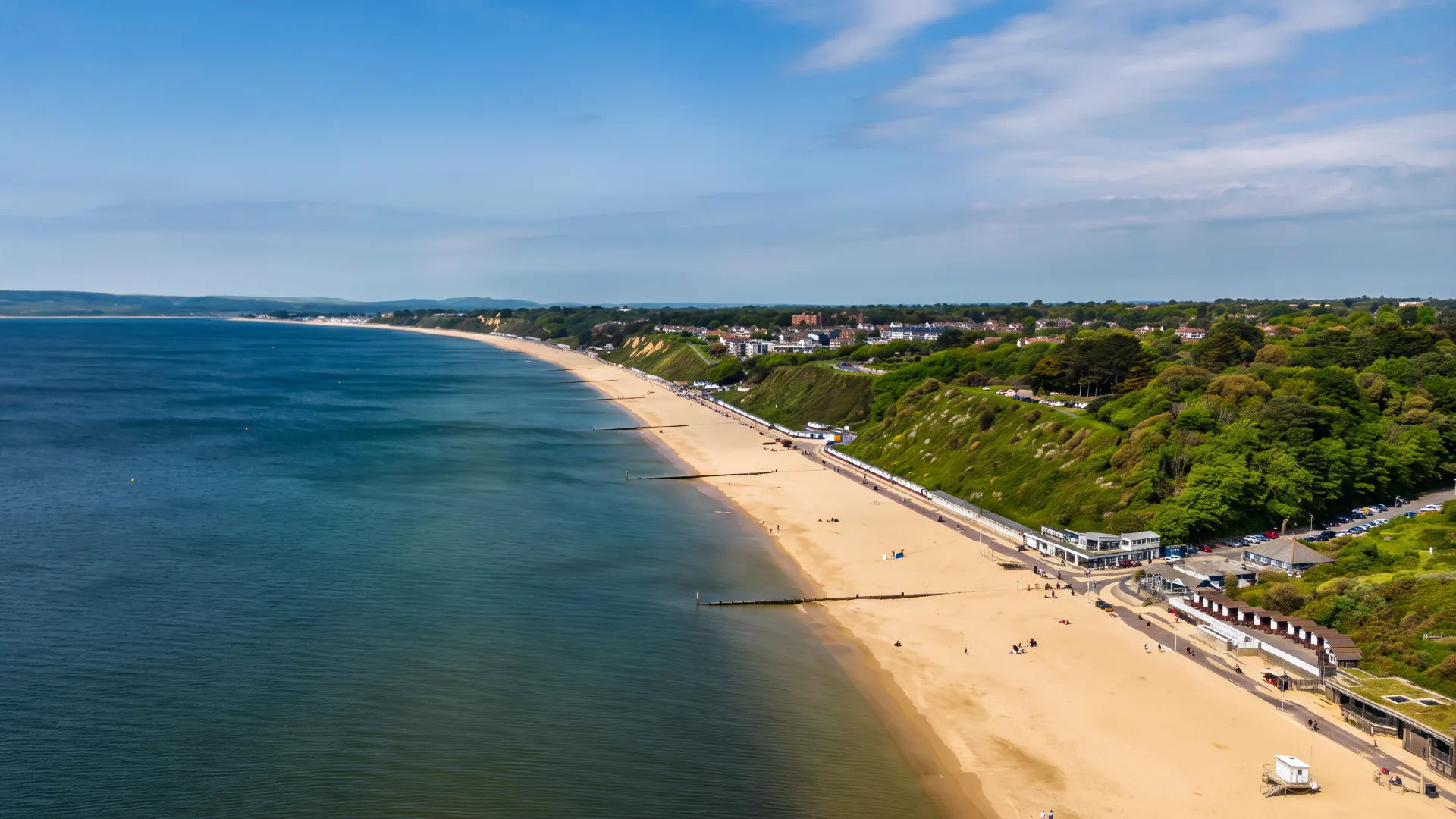
Summer brings Bournemouth's warmest weather, with average daytime temperatures between 20°C and 22°C. Hotter spells can push temperatures above 25°C and occasionally beyond 30°C.
July is typically the warmest and sunniest month, while August remains popular with families visiting during the school holidays.
Ideal conditions for beach and watersports
Summer is the best season for swimming, paddleboarding, beach picnics and evening strolls along the promenade. The long daylight hours and warm sea temperatures make it perfect for spending time outdoors.
If you are planning a summer holiday, booking accommodation in advance is recommended, especially during school holidays and bank holiday weekends.
Bournemouth weather in autumn
September to November: Mild and quieter coastal days
September is often overlooked when planning a Bournemouth holiday. Average daytime highs remain close to 20°C, and there are fewer visitors on the beaches once the school holidays finish.
October brings cooler afternoons and increasing rainfall, while November marks the transition into winter.
Autumn activities and advantages
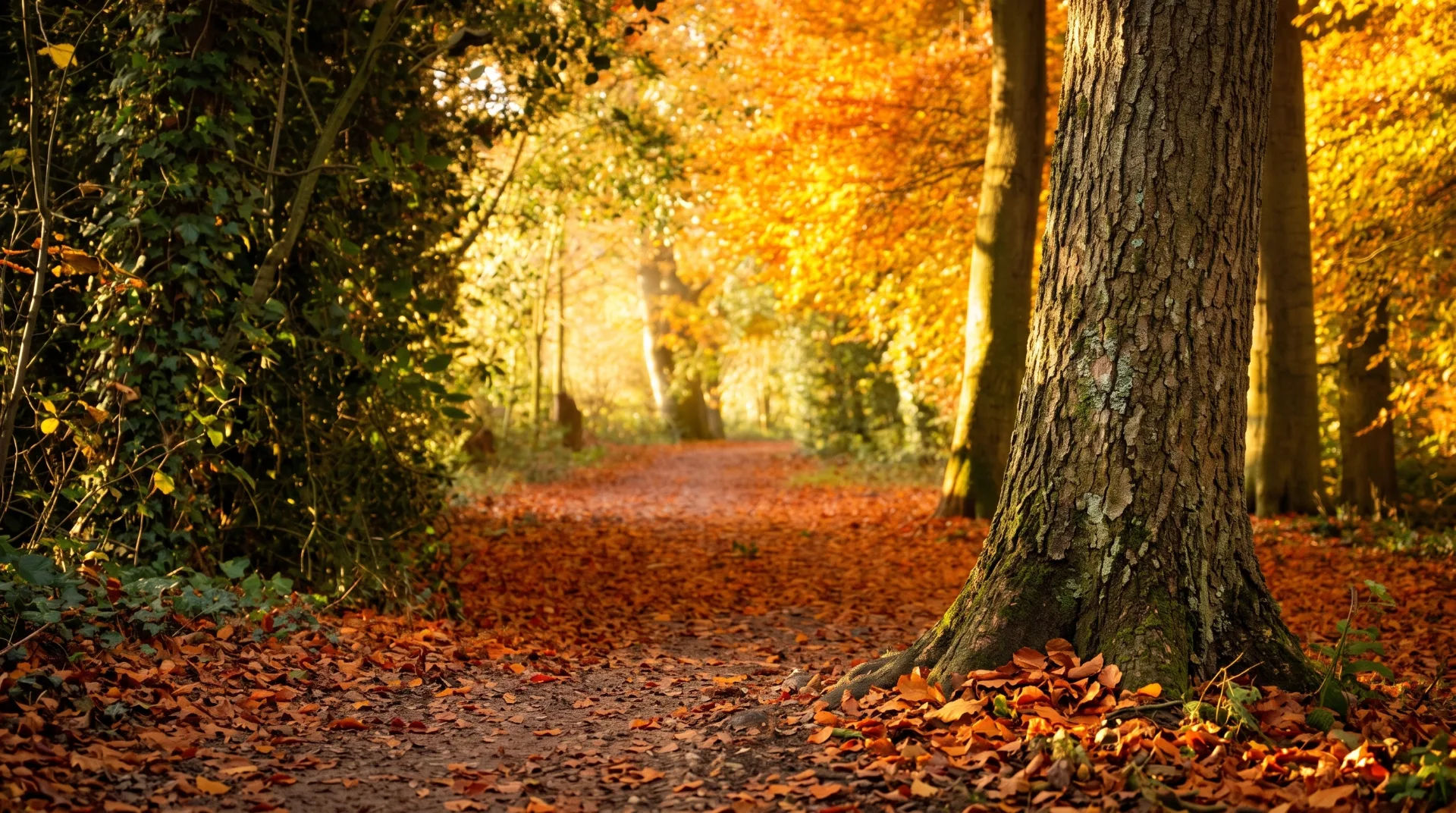
Autumn suits couples’ weekends, photography, coastal walks and exploring the Dorset countryside. It is also a good choice if you prefer travelling outside the busiest and typically more expensive summer months.
The changing colours of the gardens and the crisp sea air create a distinctive seasonal atmosphere along the coast.
Bournemouth weather in winter
December to February: Mild but cooler with festive charm
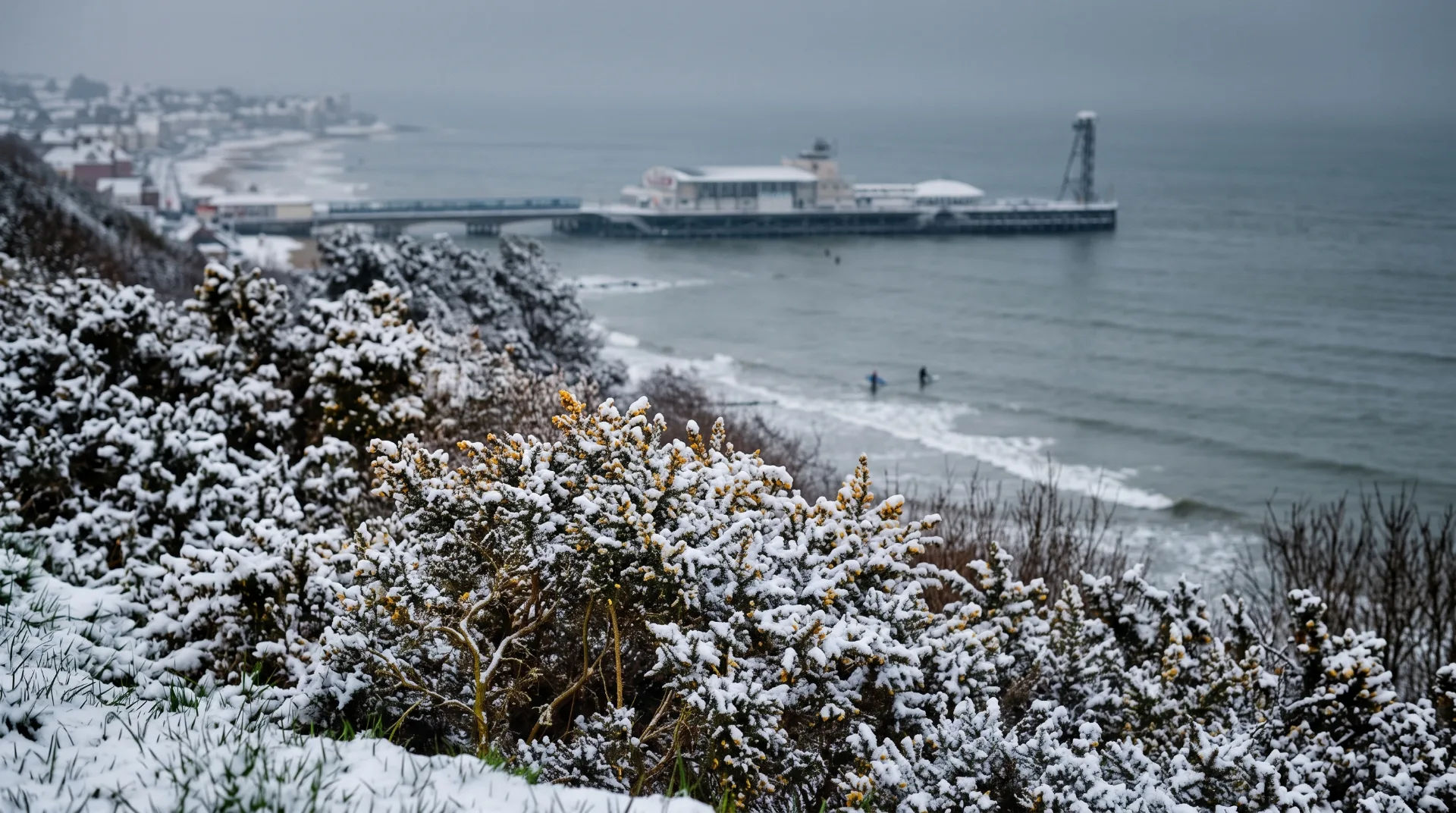
Winter temperatures in Bournemouth generally reach around 9°C during the day, with colder mornings and evenings. Rain and coastal winds are more common, although clear winter days can be beautiful along the seafront.
Snow is possible but relatively uncommon.
Winter appeal and seasonal events
Winter offers a different side of Bournemouth. The beaches are quieter, restaurants less crowded outside festive periods, and there is more room to enjoy the coastline at your own pace.
December brings Christmas attractions to the town centre, including festive markets, seasonal entertainment and illuminated gardens, adding warmth to the cooler months.
Sunshine, Rainfall and Sea Temperatures
How much sunshine does Bournemouth get?
Bournemouth's southern coastal location gives it relatively generous sunshine levels by UK standards.
Nearby Met Office records show approximately 1,779 hours of sunshine annually. May, June and July are particularly bright months, each averaging more than 220 hours.
For visitors wanting to spend most of their holiday outdoors, late spring through early autumn offers the most favourable conditions.
Does it rain a lot in Bournemouth?
Rain is possible throughout the year, but some months are noticeably drier than others.
May and July average approximately 49mm of rainfall each, compared with more than 100mm per month during October, November and December.
A light waterproof jacket is worth packing even during summer, especially if you plan longer walks or day trips around Dorset.
Bournemouth sea temperatures
Sea temperatures around Bournemouth vary considerably throughout the year. The local tourism board gives a broad seasonal range of approximately 9°C to 17°C.
Late summer generally offers the most comfortable swimming conditions, although the water can still feel cold on warm afternoons.
Always check sea conditions, follow beach safety guidance and swim between the red and yellow flags where lifeguards are operating.
Planning Your Visit
When is the best time to visit Bournemouth?
The right time depends on what you want from your stay.
- Beach holidays: June, July and August offer warm weather and lively seafronts.
- Fewer crowds and pleasant weather: May and September provide mild temperatures and quieter beaches.
- Walking and cycling: April to September is ideal for outdoor activities along the coast and in the gardens.
- Romantic coastal breaks: Spring and early autumn offer mild weather and peaceful surroundings.
- Quieter, potentially more affordable stays: January and February provide calm and lower prices.
- Christmas breaks: Late November and December bring festive events and seasonal charm.
September is particularly worth considering if you enjoy the coast but prefer to avoid the busiest summer weekends.
Things to do in Bournemouth when it rains
Not every day of your holiday needs to revolve around the beach.
Visit the Oceanarium, explore the shops around Bournemouth town centre, discover Westbourne's independent cafés or catch a performance at Bournemouth Pavilion.
Bournemouth International Centre also hosts concerts, exhibitions and other events throughout the year.
Having accommodation close to the town centre and seafront makes it easier to change your plans when the weather does.
Where to stay in Bournemouth throughout the year
Flexiestays offers serviced apartments in Bournemouth, including several properties around West Cliff, close to the beach and town centre.
During summer, staying near the seafront means you can spend more time enjoying the beach without having to drive there each morning.
In the cooler months, a self-catering apartment with an equipped kitchen, comfortable living space and heating provides somewhere to relax after a coastal walk.
Selected apartments also offer private balconies, gardens and sea views.
Whether you are visiting for a summer holiday, a quiet winter weekend or an extended coastal stay, you can explore short-term stays with Flexiestays and find accommodation that suits your plans.
Frequently Asked Questions
What is the hottest month in Bournemouth? July is typically the warmest month, with average daytime highs of around 22°C.
Is Bournemouth warm in September? Yes. September averages daytime highs of approximately 20°C, making it a pleasant month for coastal breaks.
What is the driest month in Bournemouth? May is marginally the driest month according to the Met Office's Hurn climate records for 1991–2020, closely followed by July.
Does Bournemouth get snow? Occasionally, although snow is less common than rain during the winter months.
Is Bournemouth worth visiting in winter? Yes. Quieter beaches, coastal walks, restaurants and indoor attractions make Bournemouth suitable for winter breaks.
What should I pack for Bournemouth? Bring comfortable walking shoes, seasonal clothing, a waterproof jacket and an extra layer for evenings. During summer, remember sun cream and swimwear.
Where can I check the latest Bournemouth weather? Check the Met Office forecast shortly before travelling, particularly if you are planning beach activities, cycling or watersports.
Summary and Key Takeaways
- Bournemouth receives approximately 1,780 sunshine hours annually.
- July and August are typically the warmest months.
- Average summer daytime highs reach around 22°C.
- May and September are attractive alternatives to peak summer.
- Late autumn and early winter generally bring more rainfall.
- Flexiestays offers coastal accommodation throughout the year.
For more on the local area, see our guides to Bournemouth Beach, Things to Do in Bournemouth, Perfect Cycling Routes in Bournemouth, and Where to Stay in Bournemouth.
For official weather updates, visit the Met Office local climate averages and the official Bournemouth visitor weather guide.