
Bournemouth town centre thriving claim sparks local backlash and concern
Bournemouth town centre thriving claim sparks debate as locals challenge council leader Millie Earl’s view, citing safety fears, shop closures and social issues.
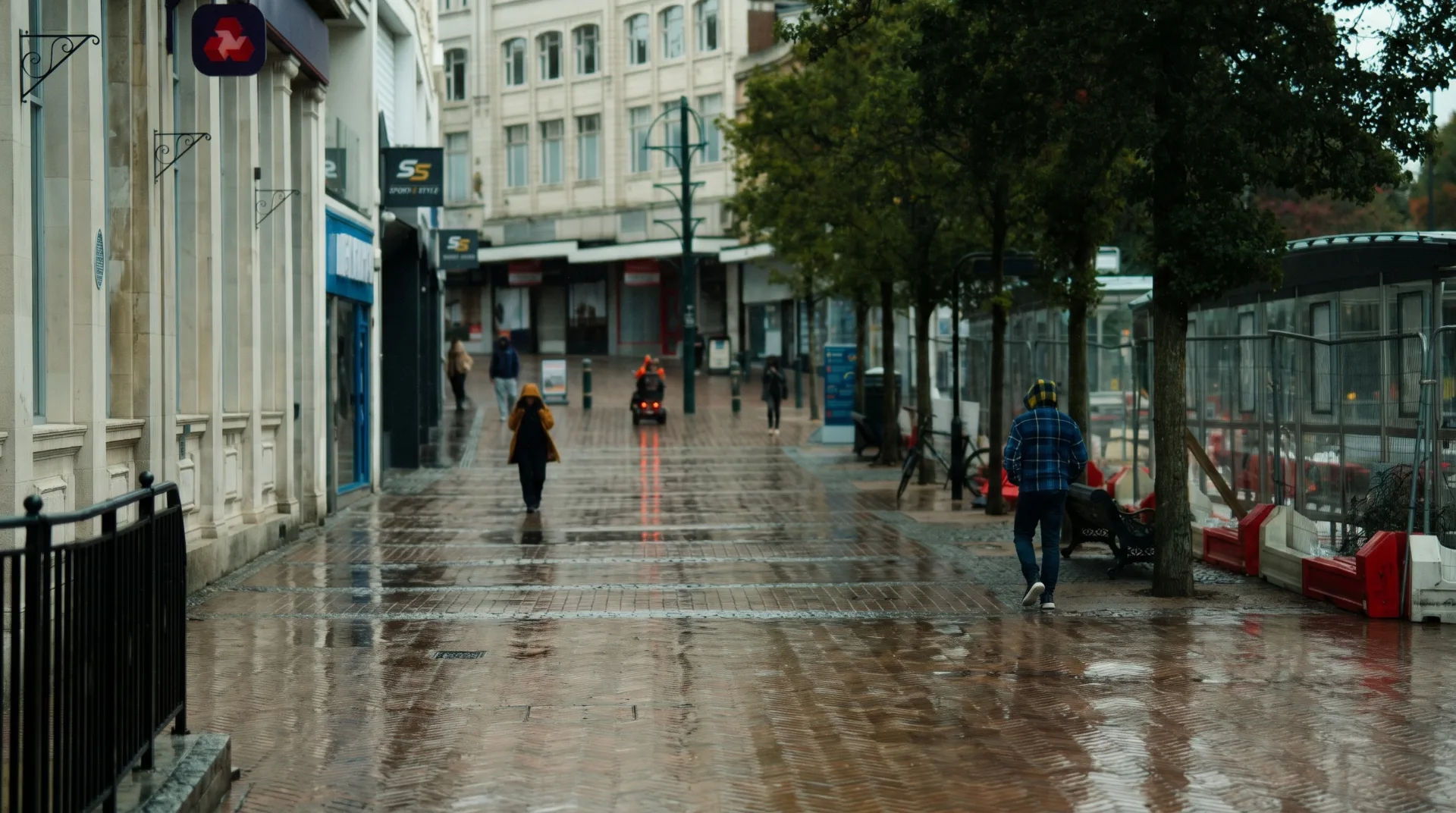
BCP Council Leader Millie Earl Faces Backlash Over 'Thriving' Bournemouth Claim
The Controversy Around Bournemouth's Town Centre
What Did Millie Earl Say About Bournemouth?
BCP council leader Millie Earl recently described Bournemouth town centre as "thriving" during an ITV Meridian news bulletin. She highlighted the opening of more than 40 new businesses in recent months as evidence of the area's growth and vitality. Earl suggested that visitors would change their perception of the town centre if they saw it for themselves.
This statement was intended to showcase positive developments amid ongoing challenges faced by the town centre, which has seen significant changes in recent years. The council’s narrative focuses on regeneration efforts and attracting new investment to boost the local economy.
How Have Locals Reacted to the Claim?
The response from business owners, shoppers and residents has been largely critical. Many have labelled the council leader as "out of touch with reality," questioning whether she has truly observed the current state of the town centre. Social media comments ranged from calling her "delusional" to suggesting she "should have gone to Specsavers."
This backlash reflects a wider frustration among those who feel the town centre is struggling rather than thriving. The disconnect between official statements and lived experiences has sparked debate about the true state of Bournemouth town centre.
What Are the Main Concerns Raised by the Community?
Locals describe a high street struggling with safety fears, shuttered shops and rising crime. The loss of major department stores, including Marks & Spencer, has contributed to a sense of decline. Homelessness and begging are cited as issues that make people feel uncomfortable and unsafe, especially after dark.
Concerns about cleanliness, antisocial behaviour and the impact of economic pressures on small businesses also feature prominently. Many residents worry that the town centre is losing its appeal as a shopping and leisure destination, which could have long-term consequences for Bournemouth’s wider economy.
Perspectives from Those Who Know the High Street
What Do Long-Term Business Owners Say?
Brandon, a tattoo artist with two decades of experience in the town centre, strongly rejected Earl’s optimistic view. He described the high street as "pretty much dead now," with more shops closing every day. He noted an increase in "sketchiness and crime" and said the area has never looked as depressing as it does today.
Brandon’s perspective highlights the challenges faced by independent traders who have witnessed the gradual erosion of footfall and customer confidence. He emphasises that the town centre’s decline is not just about empty shops but also about the atmosphere and safety concerns that deter visitors.
How Do Residents Feel About Visiting the Town Centre?
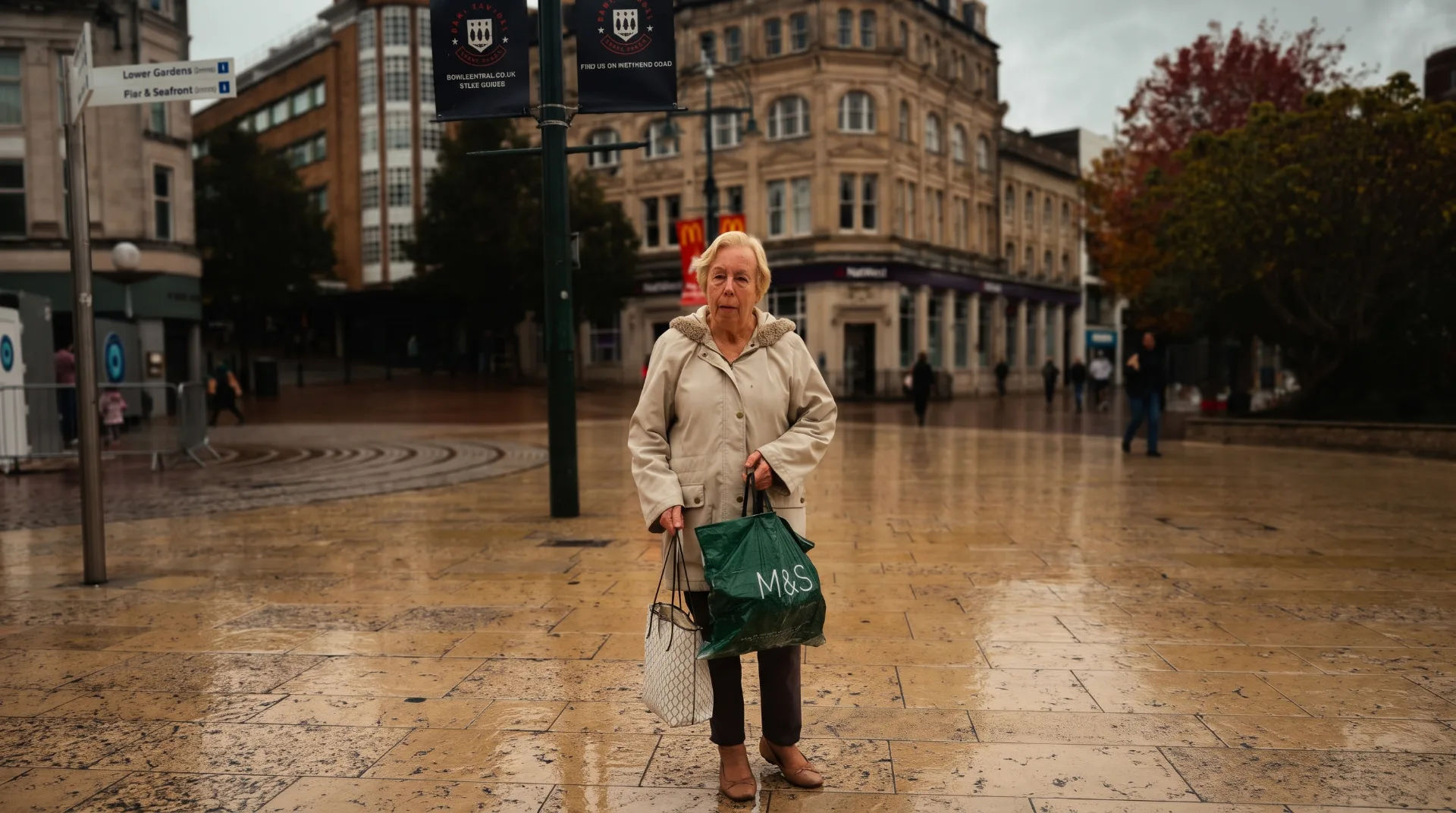
Marion, a Bournemouth resident for 15 years, called the shopping district "absolutely atrocious." She mentioned that she and others avoid going out after 5pm due to the presence of homeless people begging and the general feeling of insecurity. This sentiment reflects a broader concern about safety and the atmosphere in the town centre.
Many residents share Marion’s unease, citing a lack of visible policing and inadequate support services to address homelessness and antisocial behaviour. These issues combine to create an environment that feels unwelcoming, particularly for families and older shoppers.
What Are Shop Owners Experiencing?
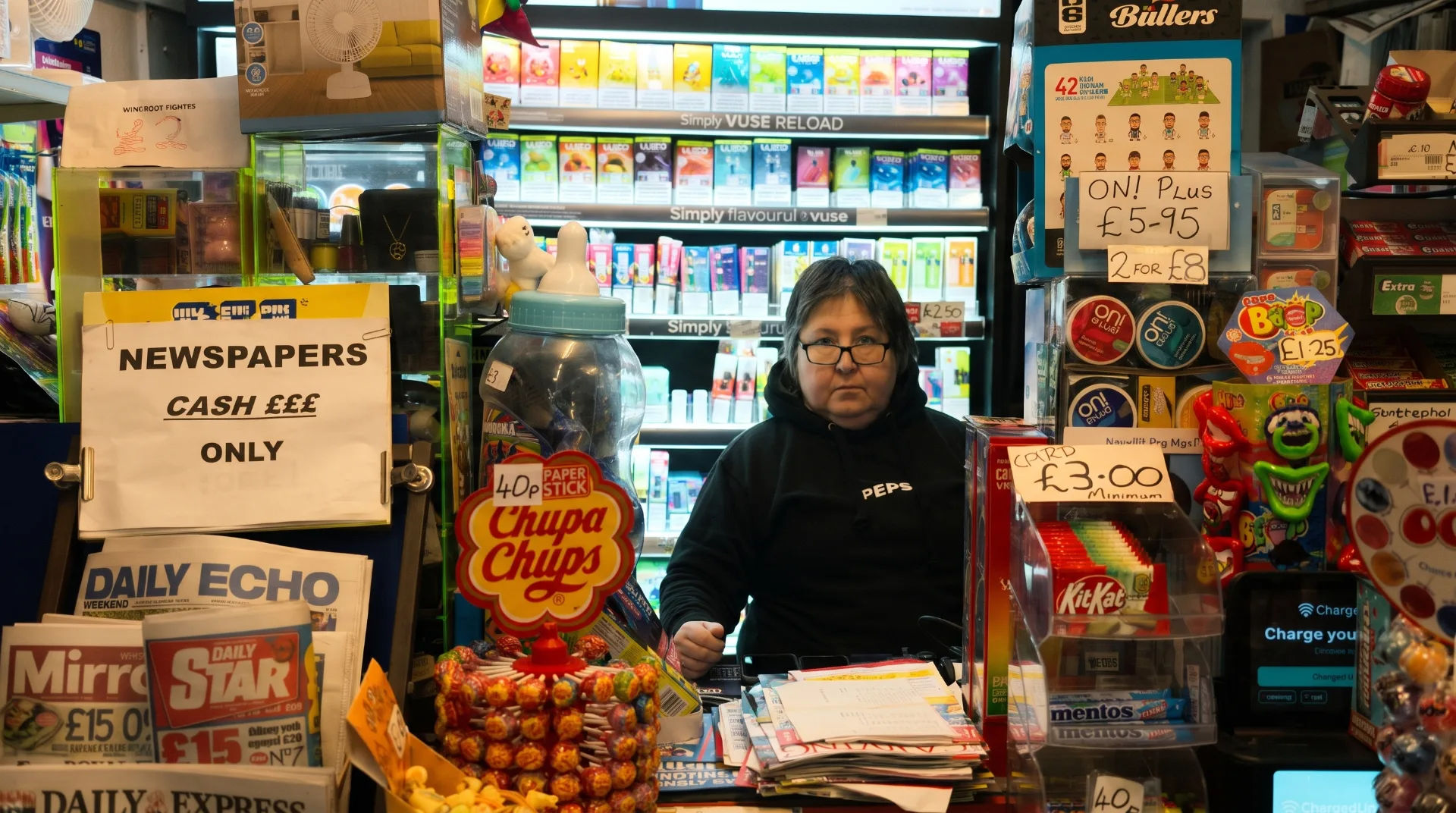
Anna, who runs Main News, described the area as a "dump" plagued by beggars and drug users. She warned that local women feel too afraid to walk around even during the day to run basic errands. Anna also highlighted the impact of high business rates, which she says are "killing me at the moment," and criticised the council for being "out of touch" with the realities faced by traders.
Her comments underline the financial pressures on small businesses in Bournemouth town centre, which are compounded by reduced customer numbers and safety concerns. Anna’s experience reflects a wider trend of closures and uncertainty among independent retailers.
Views from Newcomers and Visitors
How Do New Residents See Bournemouth?
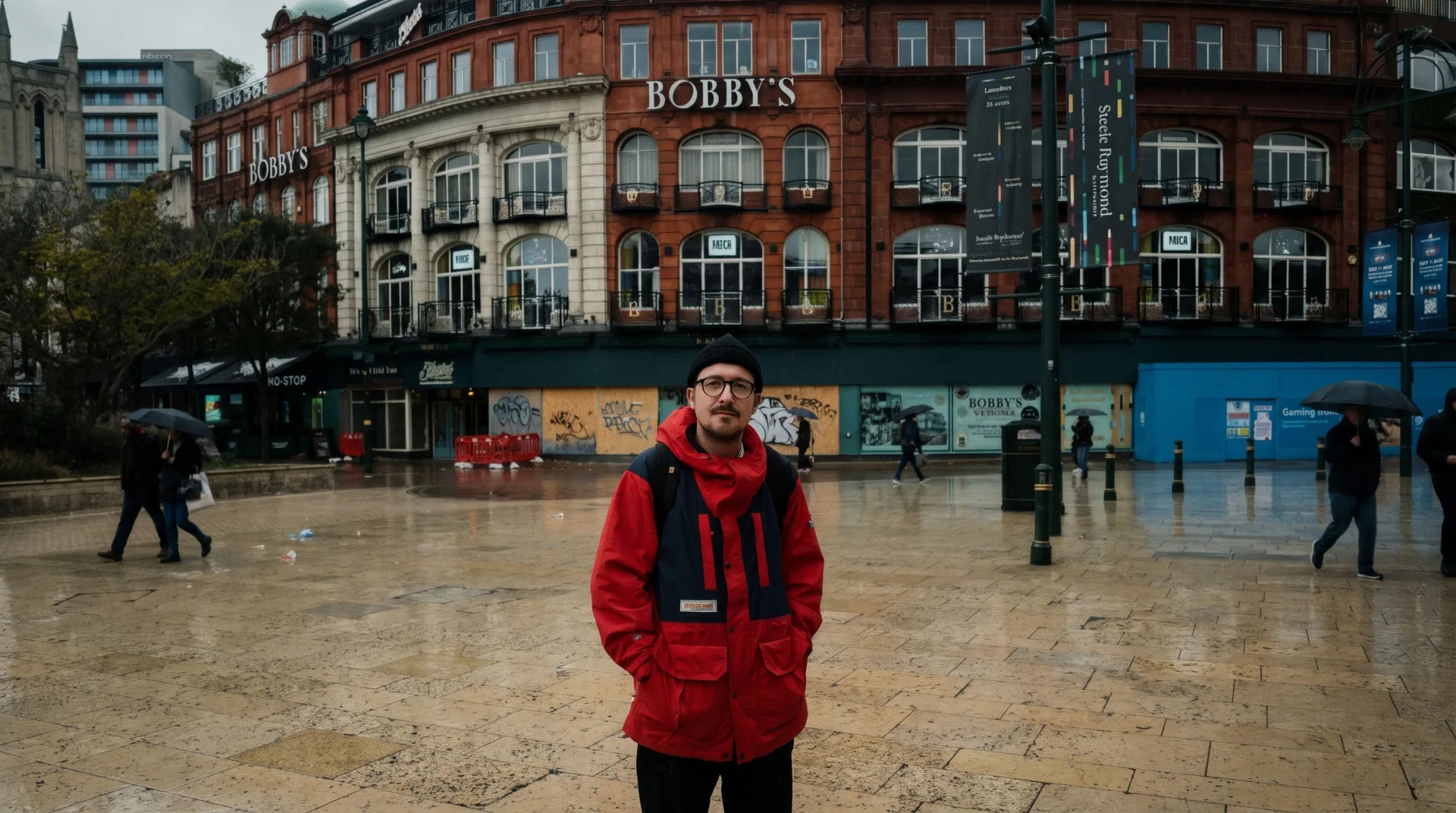
Mark Bryant, a shopper who has lived in Bournemouth for six months, expressed shock at the town centre's condition compared to his childhood memories of Bournemouth holidays. He described the area as resembling a "rundown British seaside town," citing empty superstores and rampant homelessness as key issues.
Mark’s fresh perspective highlights the contrast between Bournemouth’s reputation as a vibrant coastal resort and the reality he sees in the town centre. His observations suggest that the town may be struggling to maintain its appeal to new residents and visitors alike.
What Does Mark Bryant Want to See Change?
Bryant is sceptical about the council leader’s claims of new shop openings. He called for a detailed breakdown of the businesses Earl mentioned, emphasising that the last thing Bournemouth needs is more cafes and barbers. His comments reflect a desire for more diverse and sustainable economic development.
He advocates for a strategic approach to regeneration that prioritises a balanced mix of retailers and services, aiming to create a town centre that meets the needs of residents, workers and tourists. This includes improving safety, cleanliness and the overall shopping experience.
Governance and Wider Context
Who Oversees Bournemouth and Its Surrounding Areas?
Bournemouth, Christchurch and Poole are administered collectively by BCP Council. This unitary authority manages local services and development across the three areas, aiming to coordinate efforts to improve the region.
The council’s role includes managing business rates, planning permissions, public safety and regeneration projects. Its decisions have a significant impact on the future of Bournemouth town centre and its ability to attract investment and visitors.
How Does This Affect Town Centre Management?
Decisions about business rates, safety measures and regeneration projects fall under the remit of BCP Council. The mixed opinions on the town centre's state highlight the challenges the council faces in balancing economic growth with community needs and perceptions.
Efforts to revitalise the high street must address both the economic and social factors affecting Bournemouth town centre. This includes tackling homelessness, improving policing, supporting local businesses, and enhancing public spaces to create a safer and more attractive environment.
What Does the Future Hold for Bournemouth Town Centre?
Regeneration Plans and Economic Development
BCP Council has outlined plans to invest in the town centre’s infrastructure and promote new business opportunities. These include initiatives to improve public transport links, upgrade streetscapes and support cultural events aimed at drawing more visitors.
Regeneration is seen as a long-term project requiring collaboration between the council, local businesses, community groups and residents. Success depends on addressing the root causes of decline while fostering a vibrant, inclusive town centre.
The Role of Community and Business Partnerships
Local partnerships play a crucial role in shaping the future of Bournemouth town centre. Business improvement districts, community safety groups and resident associations work alongside the council to identify priorities and implement solutions.
Engaging with these groups can help ensure that regeneration efforts reflect the needs and aspirations of those who live and work in the area, creating a shared vision for a thriving town centre.
How Are Other Seaside Towns Tackling Similar Challenges?
Bournemouth is not alone in facing the challenges of high street decline, safety concerns and social issues. Many British seaside towns have adopted innovative approaches to regeneration, including diversifying their economies, promoting tourism, and enhancing cultural and leisure facilities.
Learning from these examples can provide valuable insights for Bournemouth town centre as it seeks to reinvent itself in a changing economic and social landscape.
Summary
Millie Earl’s description of Bournemouth town centre as "thriving" has sparked significant debate. While the council leader points to new business openings as a sign of progress, many locals and business owners paint a picture of decline marked by shop closures, safety concerns and social issues. The differing views underline the complexity of urban regeneration and the importance of addressing both economic and social factors to revitalise Bournemouth’s high street.
The future of Bournemouth town centre depends on coordinated efforts to improve safety, support businesses, and create a welcoming environment for residents and visitors. Achieving this will require honest dialogue, strategic investment and community involvement to ensure the town centre can truly thrive.
For more on local governance and community issues, see our Bournemouth News section. To explore what else Bournemouth has to offer, visit our Things to Do guide.
For official information about Bournemouth and the surrounding area, including council services, visit BCP Council.
For background on Bournemouth’s history and development, see Wikipedia: Bournemouth.
If you want to plan a visit or explore the local area further, check out our Beaches and Attractions guides for inspiration.
Frequently asked questions
What did BCP Council Leader Millie Earl say about Bournemouth town centre?
Millie Earl described Bournemouth town centre as "thriving" during an ITV Meridian news bulletin. She cited the opening of more than 40 new businesses in recent months as evidence of growth and vitality. Earl suggested that visitors would change their perception of the town centre if they saw it for themselves.
How have local residents and business owners reacted to the claim that Bournemouth town centre is thriving?
Many locals, including business owners and shoppers, have criticised Millie Earl's claim. They have described the council leader as "out of touch with reality," with some calling her "delusional" on social media. Concerns raised include safety fears, shuttered shops, rising crime, and a general sense of decline in the town centre.
What are the main issues affecting Bournemouth town centre according to local perspectives?
Locals point to several problems including the loss of major department stores like Marks & Spencer, increasing homelessness and begging, and a feeling of insecurity especially after dark. Business owners mention high business rates and the presence of drug users as further challenges. These issues contribute to a perception that the town centre is struggling rather than thriving.
What do long-term business owners say about the current state of the high street?
Brandon, a tattoo artist with 20 years in the town centre, described the high street as "pretty much dead now," with more shops closing regularly. He noted an increase in "sketchiness and crime" and said the area has never looked as depressing as it does today. This contrasts sharply with the council leader's optimistic view.
How do residents feel about visiting Bournemouth town centre, especially in the evenings?
Residents like Marion, who has lived in Bournemouth for 15 years, avoid the town centre after 5pm due to the presence of homeless people begging and a general feeling of insecurity. This reflects a broader concern about safety and the atmosphere in the shopping district, which many find "absolutely atrocious."
What challenges do shop owners face in Bournemouth town centre?
Shop owners such as Anna, who runs Main News, describe the area as a "dump" affected by beggars and drug users. She highlighted that local women feel too afraid to walk around even during the day to run errands. Additionally, high business rates are a significant financial burden, and there is criticism of the council for being disconnected from the realities traders face.
How do newcomers and recent residents view Bournemouth town centre?
Mark Bryant, a shopper who has lived in Bournemouth for six months, was shocked by the town centre's condition compared to his childhood memories. He described it as resembling a "rundown British seaside town," pointing to empty superstores and widespread homelessness. He is sceptical about claims of new business openings and calls for more diverse and sustainable economic development.
Who manages Bournemouth and its town centre, and what challenges does this present?
Bournemouth is managed as part of the Bournemouth, Christchurch and Poole (BCP) Council, a unitary authority overseeing local services and development across the three areas. This means decisions about business rates, safety, and regeneration projects are made by BCP Council. The mixed opinions on the town centre highlight the challenges the council faces in balancing economic growth with community needs and perceptions.


Comments (0)
No comments yet. Be the first to join the conversation.