
Illegal dredging Poole Harbour leads to £3,344 fine for local fisherman
A Poole fisherman was fined £3,344 for dredging in protected zones of Poole Harbour, reinforcing efforts to preserve vital habitats and bird populations.
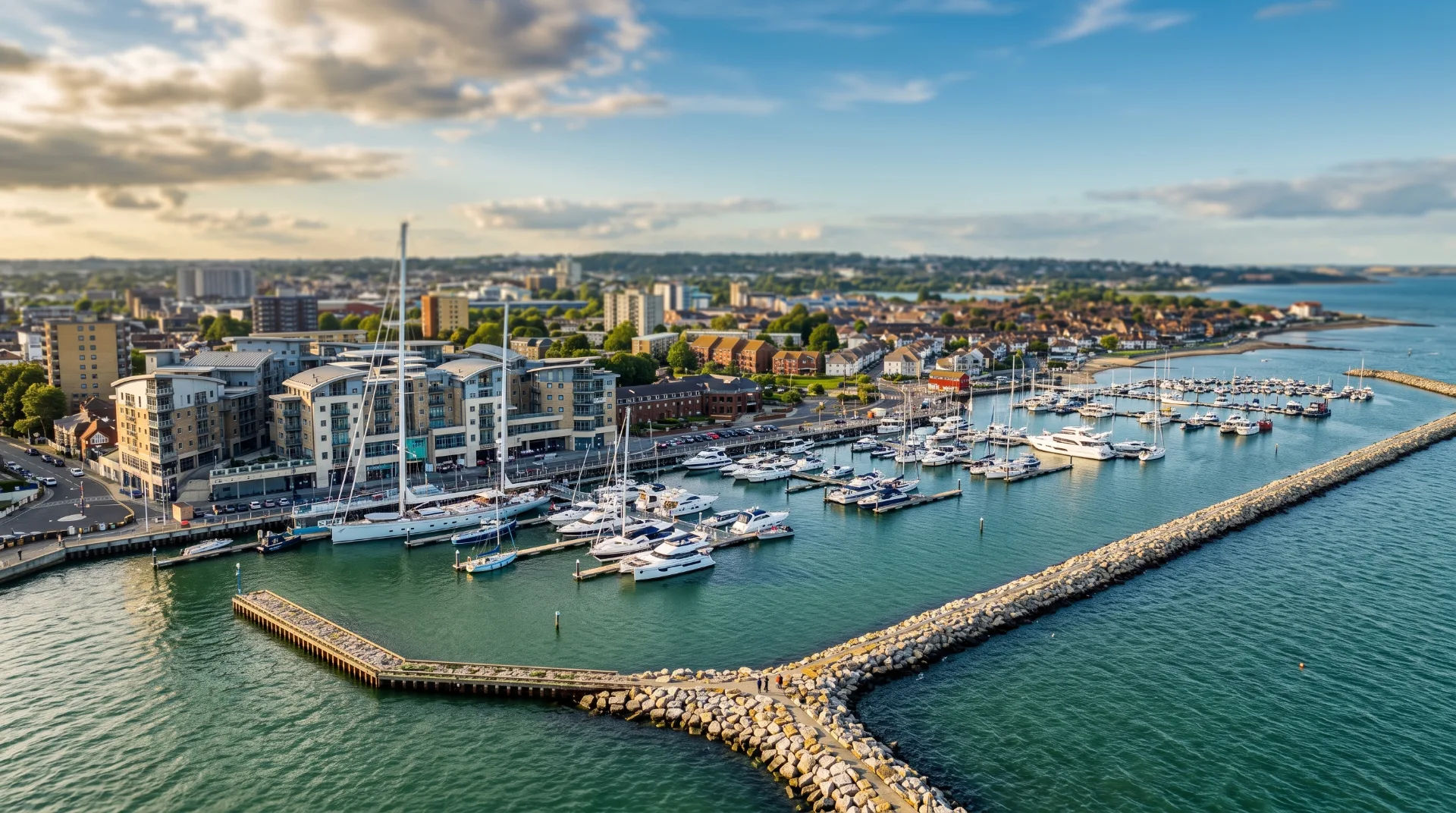
Fisherman fined £3,344 for illegal dredging in Poole Harbour
A fisherman from Poole has been fined over £3,000 for illegal dredging poole harbour activities in protected areas of Poole Harbour. The case highlights the importance of safeguarding the harbour’s sensitive environment while supporting sustainable fishing practices.
What is dredging and why is it regulated?
Dredging involves excavating material such as silt, sand, gravel, or mud from the bottom of a body of water. In Poole Harbour, dredging is regulated to protect vital habitats and bird populations, especially in areas designated as Special Protection Areas (SPA).
The Southern Inshore Fisheries and Conservation Authority (IFCA) issues permits for dredging in Poole Harbour, ensuring that commercial activities do not harm the environment. Certain zones are strictly prohibited for dredging to protect overwintering and migratory birds, as well as saltmarsh habitats.
Dredging is a common practice in many coastal and estuarine areas, used to maintain navigable waterways, harvest shellfish, or manage sediment build-up. However, when carried out irresponsibly or without permission, illegal dredging poole harbour can cause severe damage to underwater ecosystems. In Poole Harbour, the delicate balance of marine life and bird habitats means that dredging must be carefully controlled.
Details of the offence and illegal dredging poole harbour fine
Andrew Skinner, aged 35, was fined £3,344 after breaching the Southern IFCA’s Poole Harbour Dredge Permit Byelaw. The offences occurred on three separate days in June 2025, specifically the 11th, 24th, and 25th. Skinner used his vessel, Lula Bon PE892, to dredge for manila clams in prohibited areas including Green Island, Ower Bay, Wych Lake, and Middlebere Lake.
Evidence against Skinner included drone footage, catch return data, vessel inspections, and GPS tracking from the vessel’s Inshore Vessel Monitoring System (I-VMS). This showed he dredged inside prohibited zones for over an hour and a half, reaching up to 76 metres inside the Green Island restricted area.
Skinner pleaded guilty at Southampton Magistrates' Court and was sentenced on 10 September 2026 for four breaches of the byelaw related to illegal dredging poole harbour.
Why is illegal dredging poole harbour a concern in Poole Harbour?
Poole Harbour is a vital habitat for various species of migratory and overwintering birds. It contains saltmarsh areas that provide essential feeding, breeding, and roosting grounds. These features are protected under the harbour’s Special Protection Area status.
The Southern IFCA’s byelaw aims to balance commercial shellfish fishing with the conservation of these habitats. Areas prohibited to dredging help protect birds during critical periods when they rely on the harbour’s resources.
David Mayne, senior inshore fisheries and conservation officer at Southern IFCA, emphasised the importance of these regulations: "The IFCA’s regulations enable the two to coexist, by protecting essential habitats and bird life, whilst supporting a sustainable fishery and viable industry."
Poole Harbour’s saltmarshes and mudflats are internationally recognised for their ecological importance. They provide rich feeding grounds for birds such as avocets, redshanks, and shelducks, especially during migration seasons when energy demands are high. Disturbance from illegal dredging poole harbour can destroy these habitats or reduce their suitability for wildlife.
For those interested in exploring the harbour’s natural beauty, the Things to Do section offers information on outdoor activities that respect the environment.
Enforcement and monitoring methods to prevent illegal dredging poole harbour
The Southern IFCA employs various tools to monitor compliance with dredging regulations. These include drone surveillance, vessel inspections, catch return analysis, and GPS tracking via the Inshore Vessel Monitoring System.
This technology allows officers to detect illegal dredging poole harbour activities promptly and gather robust evidence for prosecution. The recent case demonstrates the authority’s commitment to enforcing environmental protection laws in Poole Harbour.
Drone footage provides an aerial perspective that can reveal dredging activity in real time or retrospectively. Vessel inspections check for compliance with permits and equipment standards. Catch return data helps verify that fishermen are not harvesting from prohibited areas or exceeding quotas.
The Inshore Vessel Monitoring System (I-VMS) is a satellite-based tracking tool that records a vessel’s position, speed, and course. This data can be analysed to confirm whether a vessel entered restricted zones or operated outside permitted times.
Consequences of illegal dredging poole harbour
The court found that Skinner’s actions were deliberate and posed a substantial risk of significant environmental damage. Illegal dredging poole harbour can disturb sensitive habitats, harm bird populations, and disrupt the balance of the commercial shellfish fishery.
Commercial dredging is permitted only with a valid Poole Harbour Dredge Permit and outside the protected zones. The Southern IFCA stresses that anyone disregarding these rules will be held accountable.
Environmental damage from illegal dredging includes destruction of benthic habitats, increased turbidity which affects water quality, and disruption of feeding grounds for birds and fish. Such impacts can have knock-on effects on biodiversity and the sustainability of fisheries.
Financial penalties like Skinner’s fine serve as a deterrent and reinforce the message that protecting Poole Harbour’s natural heritage is a shared responsibility. Repeat offenders risk heavier fines, prosecution, and loss of fishing licences.
The role of sustainable fishing in preventing illegal dredging poole harbour
Sustainable fishing practices are essential to maintain the health of Poole Harbour’s ecosystems while supporting local livelihoods. The Southern IFCA works closely with fishermen to promote responsible harvesting methods and compliance with conservation measures.
Permitted dredging for shellfish such as manila clams is carefully managed to avoid over-exploitation and habitat degradation. Regular monitoring of stocks and habitats informs adaptive management strategies.
By balancing economic activity with environmental protection, Poole Harbour remains a productive fishery and a haven for wildlife. The recent enforcement action underscores the importance of adhering to regulations to preserve this balance.
How can the public help prevent illegal dredging poole harbour?
Local communities, visitors, and fishermen all play a part in protecting Poole Harbour’s environment. Reporting suspicious or illegal activities to the Southern IFCA or local authorities can aid enforcement efforts.
Supporting sustainable seafood choices and respecting protected areas when boating or walking helps minimise human impact. Educational initiatives raise awareness about the harbour’s ecological value and the need for conservation.
For more family-friendly outdoor options nearby, explore the Beaches and Wildlife pages for ideas.
Further information and related illegal dredging poole harbour cases
For those interested in similar cases and ongoing enforcement in Poole Harbour, further reading is available:
- Man fined for illegal fishing in Poole Harbour
- Fisherman ordered to pay more than £9,000 after breaching regulations
- Pair of fishermen fined thousands for breaching fishing byelaws
Protecting Poole Harbour’s natural heritage from illegal dredging poole harbour
Poole Harbour’s unique environment is a treasured asset for the local community and wildlife alike. The Southern IFCA’s enforcement of dredging regulations plays a key role in maintaining this balance.
Anyone interested in exploring the harbour’s natural beauty can also discover nearby attractions and outdoor activities in the Things to Do section.
For more on the local environment and conservation efforts, visit the Environment news section or explore Poole’s local news.
For official information on Poole Harbour’s environmental protection and fishing regulations, see the Southern Inshore Fisheries and Conservation Authority website.
For background on Poole Harbour’s ecology and conservation status, the Wikipedia page on Poole Harbour offers detailed information.
Frequently asked questions
What is dredging and why is it regulated in Poole Harbour?
Dredging involves excavating material like silt, sand, gravel, or mud from the bottom of a body of water. In Poole Harbour, it is regulated to protect vital habitats and bird populations, especially in areas designated as Special Protection Areas. The Southern Inshore Fisheries and Conservation Authority (IFCA) issues permits to ensure commercial dredging does not harm the environment, with certain zones strictly prohibited to protect overwintering and migratory birds as well as saltmarsh habitats.
Who was fined for illegal dredging in Poole Harbour and what were the details?
Andrew Skinner, a 35-year-old fisherman from Poole, was fined £3,344 for illegal dredging in protected areas of Poole Harbour. The offences took place on three days in June 2025 using his vessel Lula Bon PE892. He dredged for manila clams in prohibited zones including Green Island, Ower Bay, Wych Lake, and Middlebere Lake, breaching the Southern IFCA’s Poole Harbour Dredge Permit Byelaw.
How was the illegal dredging detected and proven?
The Southern IFCA used multiple monitoring methods including drone footage, catch return data, vessel inspections, and GPS tracking from the vessel’s Inshore Vessel Monitoring System (I-VMS). These showed Skinner dredged inside prohibited zones for over an hour and a half, reaching up to 76 metres inside the Green Island restricted area. This evidence was used in court where Skinner pleaded guilty.
Why is Poole Harbour considered environmentally sensitive?
Poole Harbour is home to important habitats for migratory and overwintering birds and contains saltmarsh areas that provide essential feeding, breeding, and roosting grounds. These features are protected under the harbour’s Special Protection Area status. The regulations aim to balance commercial fishing with conservation, protecting birds during critical periods when they rely on the harbour’s resources.
What are the consequences of illegal dredging in Poole Harbour?
Illegal dredging can cause significant environmental damage by disturbing sensitive habitats and harming bird populations. It also disrupts the balance of the commercial shellfish fishery. Those caught dredging without a valid permit or inside protected zones face enforcement actions including fines, as demonstrated by the recent case of Andrew Skinner.
How does the Southern IFCA enforce dredging regulations in Poole Harbour?
The Southern IFCA employs drone surveillance, vessel inspections, catch return analysis, and GPS tracking through the Inshore Vessel Monitoring System to monitor compliance. This technology helps officers detect illegal dredging quickly and gather strong evidence for prosecution, showing the authority’s commitment to protecting the harbour’s environment.
Where can I find more information about similar cases or Poole Harbour conservation?
Further information on similar enforcement cases can be found through local news articles linked in the report, such as cases of fines for illegal fishing and breaches of fishing byelaws in Poole Harbour. For broader environmental news and conservation efforts, the Environment news section and Poole’s local news pages provide ongoing updates.

Comments (0)
No comments yet. Be the first to join the conversation.