
Flooding concerns Poole Park focus on uphill drains and water build-up risks
Flooding concerns in Poole Park centre on uphill drains that may cause water to pool, risking damage and disruption for visitors. Learn what’s behind these worries.
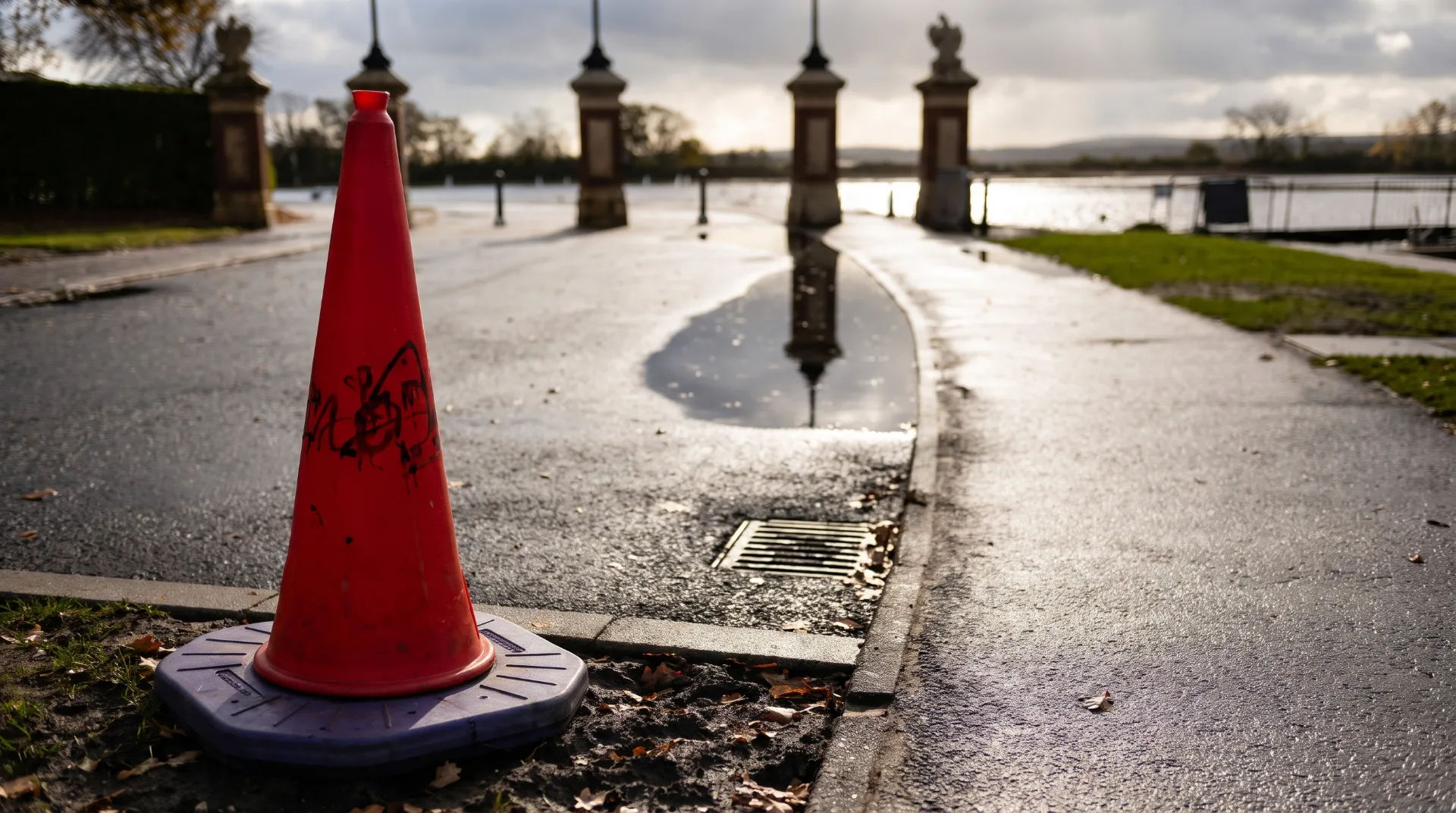
Flooding Concerns Poole Park: Drainage Issues and Visitor Impact
Understanding the Flooding Concerns Poole Park Faces
What Are Residents Worried About?
Flooding concerns Poole Park residents have raised focus on a road running through the park that is vulnerable to flooding during rain. The main issue centres on the positioning of drainage points along this road. These drains appear to be located uphill, which could prevent water from flowing naturally into them. Instead, surface water might pool and build up, increasing the risk of flooding when showers occur.
This uphill drain placement is unusual because effective drainage systems typically rely on gravity to carry water downhill. When drains are uphill, water has nowhere to flow easily, causing it to linger on the road surface. Residents worry this could lead to repeated waterlogging and damage to the park’s infrastructure.
How Did These Flooding Concerns Poole Park Come to Light?
The flooding concerns Poole Park has faced were first brought to public attention through a Facebook post by a local resident. The post criticised recent improvements made by BCP Council in Poole Park, particularly highlighting the drainage layout near Whitecliff Gate. It pointed out that water would need to flow uphill to reach the drains, which seems counterproductive and raises doubts about the drainage system’s effectiveness.
This social media discussion has sparked wider community interest and debate about whether the current drainage arrangements are fit for purpose, especially given the park’s popularity among walkers, cyclists and families.
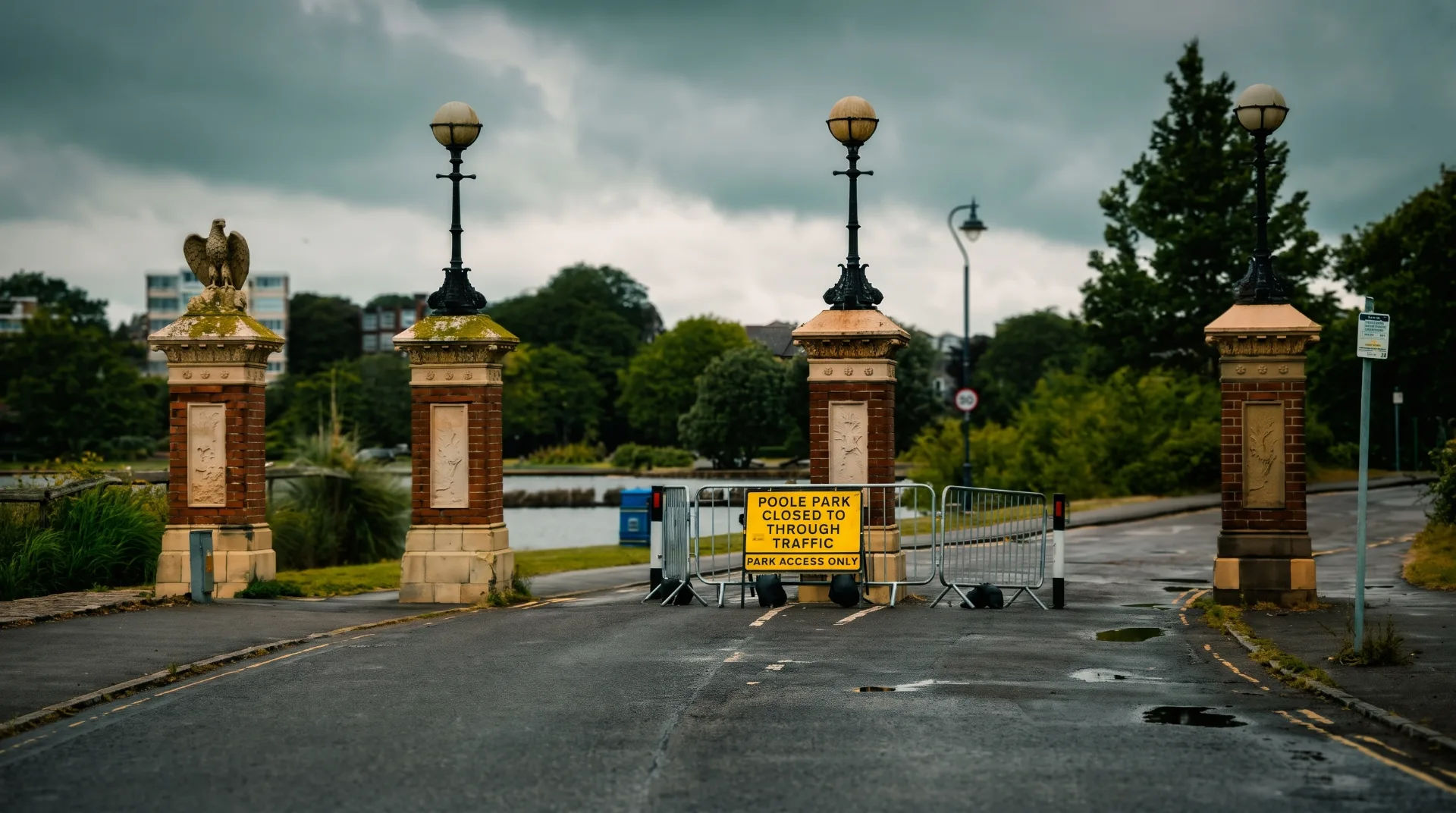
Background on Poole Park Improvements and Flooding Concerns Poole Park
What Were the Aims of the Recent Works?
The recent improvements in Poole Park, especially around Whitecliff Gate, were designed to enhance the experience for visitors. These works focused on making the park more accessible and enjoyable by upgrading pathways and facilities for walkers and cyclists. The upgrades aimed to encourage more people to use the park for leisure and exercise.
While the main emphasis was on accessibility and visitor experience, the condition and maintenance of drainage systems are a vital part of keeping the park safe and usable throughout the year, especially in light of flooding concerns Poole Park has experienced.
How Does Drainage Fit Into These Plans?
Drainage plays a crucial role in park maintenance, particularly in a coastal area like Poole where rainfall can be frequent. Proper drainage prevents water from pooling on paths and roads, reducing the risk of flooding and damage. It also helps to maintain the quality of park surfaces, ensuring they remain safe for pedestrians and cyclists.
Although drainage may not have been the headline focus of the recent works, it is an essential component of any park upgrade. Effective drainage supports the longevity of improvements and protects the park environment from water-related wear and tear, addressing flooding concerns Poole Park users have voiced.
The Impact of Flooding Concerns Poole Park Has on Visitors
Why Is Flooding a Concern for Park Users?
Flooding in Poole Park can significantly disrupt the enjoyment and safety of visitors. When roads or paths flood, they can become slippery, impassable or hazardous, especially for families with young children, elderly visitors and cyclists. Standing water also deters use of the park’s facilities and can spoil the natural beauty that attracts so many people.
For regular users of the park, flooding concerns Poole Park faces represent an inconvenience that may limit access or require detours. It can also affect events or organised activities held within the park, reducing its value as a community space.
What Could Be the Consequences of Poor Drainage?
If drainage issues are not addressed, the park could face repeated flooding episodes. This would likely lead to damage to road surfaces, pathways and green spaces, increasing maintenance costs for the local authority. Persistent flooding may also discourage visitors, impacting the park’s reputation and reducing community use.
In addition, poor drainage can pose safety risks. Flooded roads can be dangerous for vehicles and pedestrians alike, increasing the chance of slips, falls or accidents. Over time, water damage can undermine the structural integrity of park infrastructure, amplifying flooding concerns Poole Park must manage.
Local Government and Community Responses to Flooding Concerns Poole Park
How Is BCP Council Addressing These Concerns?
BCP Council, responsible for the recent upgrades in Poole Park, has not publicly detailed specific responses to the flooding concerns Poole Park residents have raised. However, the council generally monitors feedback and maintenance issues in public spaces and may conduct further assessments or repairs if flooding problems persist.
Residents and park users are encouraged to report flooding or drainage problems to the council so that these can be investigated. The council’s ongoing management of parks includes balancing improvements with practical maintenance needs such as drainage.
What Role Do Residents Play in Highlighting Issues?
Community feedback is vital in identifying and resolving issues like flooding in public parks. Residents’ observations, such as those shared on social media, help raise awareness and prompt local authorities to take action. Active community involvement supports better management of public spaces by ensuring that problems are noticed early and addressed effectively.
Local groups and individuals can also engage with council consultations or attend meetings to discuss concerns about park maintenance and improvements.
Practical Advice for Visitors to Poole Park Amid Flooding Concerns Poole Park
When Is Flooding Most Likely to Occur?
Flooding in Poole Park is most likely during or immediately after heavy rainfall. Visitors planning to use the park during wet weather should be cautious of water pooling on roads and paths, particularly near the areas where drainage has been questioned.
Being aware of weather forecasts and recent rainfall can help visitors decide when to visit and which routes to take within the park to avoid flooded sections. For more about planning outdoor trips, see our Things to Do section.
How Can Visitors Stay Informed?
To stay updated on any flooding issues or maintenance works in Poole Park, visitors can check local news outlets and official updates from BCP Council. The council’s website provides information on park conditions and any ongoing improvement projects.
Planning ahead by consulting weather forecasts from the Met Office and checking for council announcements can help visitors enjoy a safe and pleasant experience in the park. For more about local government services, visit the Bournemouth, Christchurch and Poole Council website.
Further Information and Related Topics on Flooding Concerns Poole Park
For those interested in exploring more parks and outdoor activities in the area, the Things to Do section offers guides to local attractions, gardens and leisure spaces. To learn more about official services and updates, visit the Bournemouth, Christchurch and Poole Council website.
Residents’ flooding concerns Poole Park has raised underline the importance of well-planned drainage systems in maintaining safe, enjoyable public spaces. Ongoing monitoring and community engagement remain key to ensuring the park continues to serve its visitors effectively. For more on local green spaces, see our guide to Meyrick Park.
SEO title: Flooding Concerns in Poole Park | Flexiestays Guide Slug: flooding-concerns-poole-park Meta description: Flooding concerns in Poole Park focus on uphill drains causing water build-up. Learn what residents say and how it affects visitors.
Frequently asked questions
What are the main flooding concerns in Poole Park?
Local residents are worried that a road running through Poole Park is vulnerable to flooding because the drainage points are positioned uphill. This unusual placement means water cannot flow naturally into the drains by gravity, causing surface water to pool and build up. This increases the risk of flooding during rainfall and may lead to repeated waterlogging and damage to the park's infrastructure.
How did the flooding concerns in Poole Park come to public attention?
The concerns were first highlighted by a local resident on Facebook, who criticised recent improvements by BCP Council, particularly the drainage layout near Whitecliff Gate. The post pointed out that water would need to flow uphill to reach the drains, which seems counterproductive and raised doubts about the effectiveness of the drainage system. This sparked wider community interest and debate about the drainage arrangements.
What was the purpose of the recent improvements in Poole Park?
The recent works in Poole Park, especially around Whitecliff Gate, aimed to enhance visitor experience by upgrading pathways and facilities for walkers and cyclists. The focus was on improving accessibility and encouraging more people to use the park for leisure and exercise. While drainage was not the headline focus, maintaining effective drainage is essential to keep the park safe and usable throughout the year.
Why is proper drainage important for Poole Park?
Proper drainage prevents water from pooling on paths and roads, reducing the risk of flooding and damage to park surfaces. This helps maintain safe conditions for pedestrians and cyclists and supports the longevity of park improvements. In a coastal area like Poole, where rainfall can be frequent, effective drainage is vital to protect the park environment from water-related wear and tear.
How can flooding affect visitors to Poole Park?
Flooding can disrupt enjoyment and safety by making roads and paths slippery, impassable or hazardous, especially for families, elderly visitors and cyclists. Standing water can deter use of facilities and spoil the park's natural beauty. Flooding may also limit access, require detours, and affect events or organised activities, reducing the park's value as a community space.
What are the potential consequences if drainage issues in Poole Park are not addressed?
If drainage problems persist, the park could experience repeated flooding episodes leading to damage to roads, pathways and green spaces. This would increase maintenance costs and may discourage visitors, harming the park's reputation and community use. Additionally, flooded roads pose safety risks such as slips, falls or accidents and can undermine the structural integrity of park infrastructure over time.
How is BCP Council responding to flooding concerns in Poole Park?
BCP Council has not publicly detailed specific responses to the flooding concerns but generally monitors feedback and maintenance issues in public spaces. They may conduct further assessments or repairs if flooding problems continue. Residents are encouraged to report any flooding or drainage issues so the council can investigate and manage practical maintenance needs alongside park improvements.
When is flooding most likely to occur in Poole Park and how can visitors stay informed?
Flooding is most likely during or immediately after heavy rainfall. Visitors should be cautious of water pooling on roads and paths, especially near areas with drainage concerns. To stay informed, visitors can check local news, official updates from BCP Council, and weather forecasts from the Met Office. Planning visits around these updates can help ensure a safe and pleasant experience in the park.


Comments (0)
No comments yet. Be the first to join the conversation.