
Leweston School closure announced with immediate effect after half term
Leweston School in Dorset will close immediately after half term due to falling pupil numbers and rising costs, with pupils offered places at partner schools.
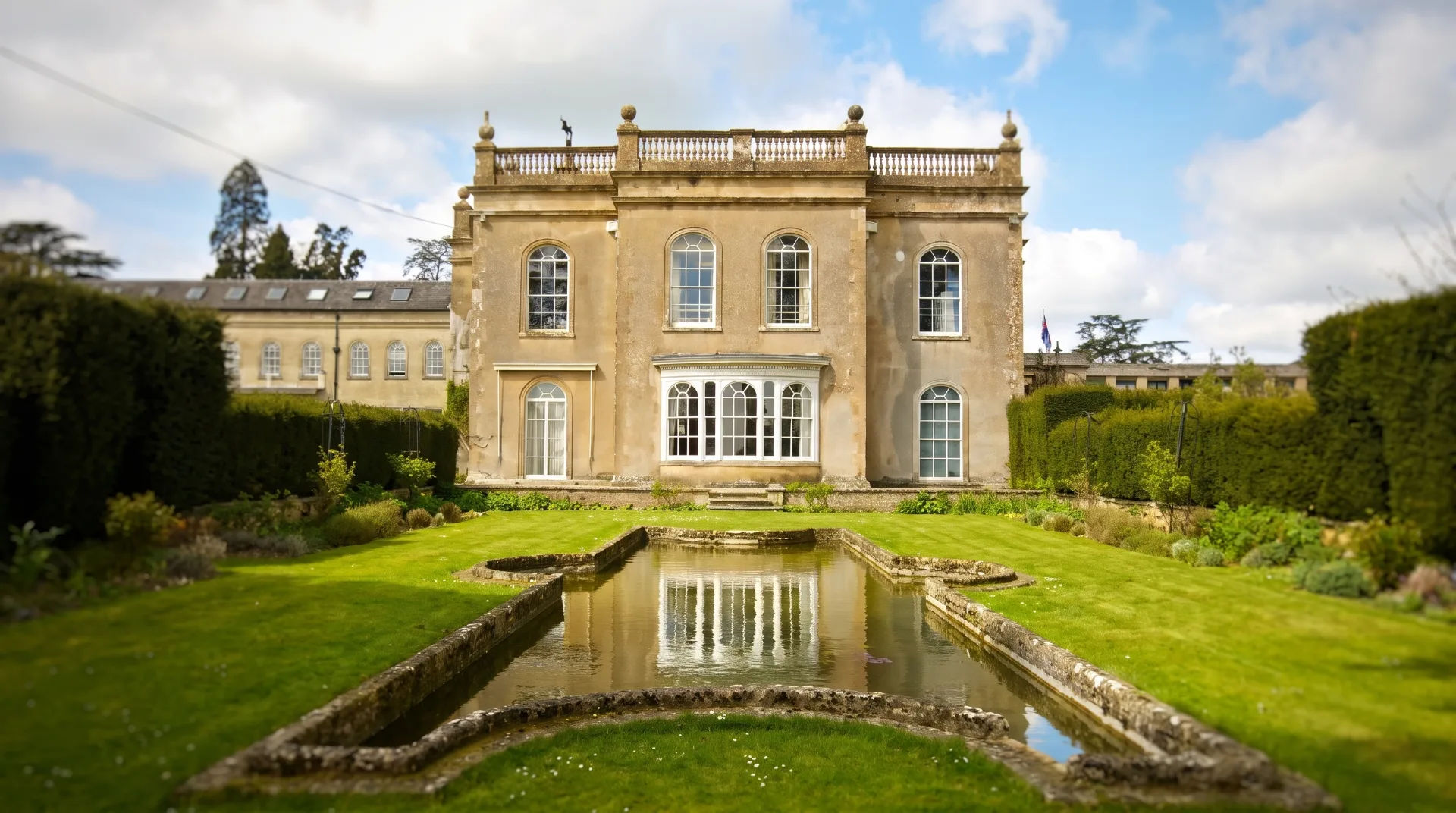
Dorset school to close with immediate effect after half term
Immediate Closure of Leweston School: What the Leweston School Closure Means
Students and staff at Leweston School, near Sherborne in Dorset, have been informed that the school will close immediately after the half-term break. The Leweston School closure has come as a shock to many, with parents receiving a letter confirming that the school will not reopen. The short notice has left families scrambling to make alternative plans for their children’s education.
The sudden announcement has caused distress among families, with one relative describing the decision as “outrageous”. Some pupils were reportedly in the midst of preparing university applications when the closure news was delivered.
Background and Reasons Behind the Leweston School Closure
Falling Pupil Numbers and Rising Costs
Leweston School cited falling pupil numbers and increasing operational costs as the primary reasons behind its decision to close. The private school, founded in 1891, has struggled to maintain sustainable enrolment levels in recent years. This decline in pupil numbers has made it difficult for the school to cover its running costs and invest in facilities and staff.
The financial pressures faced by Leweston are not unique. Many independent schools across the UK have experienced similar challenges due to changing demographics and economic conditions. The Leweston School closure reflects wider trends affecting small private schools, especially those in rural areas.
Smaller schools often face a difficult balancing act. With fewer pupils, income from fees declines, but fixed costs such as building maintenance, staffing, and utilities remain largely the same. This can create a financial strain that is hard to overcome without significant investment or a boost in enrolment.
Recent Partnership and Investment Attempts
In November 2025, Leweston School announced a partnership with Concept Education and the Catholic Schools’ Trust. This collaboration aimed to bring additional expertise and investment to the school, with hopes of securing its future. Ian Lucas, chair of governors at the time, expressed optimism about the partnership.
Concept Education specialises in supporting independent schools facing challenges, offering strategic advice and financial backing. The Catholic Schools’ Trust brought experience in managing faith-based educational institutions. Together, they sought to stabilise Leweston’s finances and attract new pupils.
Despite these efforts, the school was unable to overcome its financial challenges. The Leweston School closure highlights how even strategic partnerships may not be enough to save schools facing deep-rooted issues such as declining enrolment and rising operational costs.
Impact of the Leweston School Closure on Pupils and Staff
Lack of Prior Warning and Community Reaction
Reports indicate that pupils were given no prior warning of the closure. Staff were informed only minutes before parents received the official letter. This lack of notice has heightened concerns and frustration among the school community.
Many families feel blindsided by the sudden announcement. A relative described the decision as “outrageous”, reflecting the shock and disappointment felt by many. Pupils preparing for important exams and university applications now face uncertainty and disruption.
The timing of the closure, immediately after half term, has added to the challenge. Families must quickly find alternative schooling options, arrange transport, and adjust to new routines. For boarding pupils, the closure means finding new accommodation arrangements as well.
Transition Arrangements for Pupils
The school has stated that every pupil has been offered a place from Monday 2 November at another school within the Inspired Learning Group (ILG). This group includes Clayesmore School and Sunninghill Prep, both well-regarded independent schools in the region.
Families and staff have been contacted directly to facilitate the transition. The Leweston School closure team is working to ensure that pupils can move smoothly to their new schools with as little disruption as possible. However, the short timeframe remains a significant challenge for many.
Clayesmore School, located in Dorset, offers a broad curriculum and boarding facilities, making it a suitable option for many former Leweston pupils. Sunninghill Prep provides education for younger children and has experience integrating pupils from other schools.
The Inspired Learning Group has experience managing transitions of this nature, but the speed of the Leweston School closure means that families must act quickly to secure places and support their children through the change.
Leweston School Profile and Legacy
School Structure and Demographics
Leweston School is a co-educational Catholic boarding school with nursery, preparatory, senior, and sixth-form sections. Government records list 577 pupils aged between two and 19 years. The school has long been known for its nurturing environment and academic standards.
Its boarding facilities have attracted students from across the UK and overseas, contributing to a diverse school community. The school’s Catholic ethos has been central to its identity since its founding in 1891.
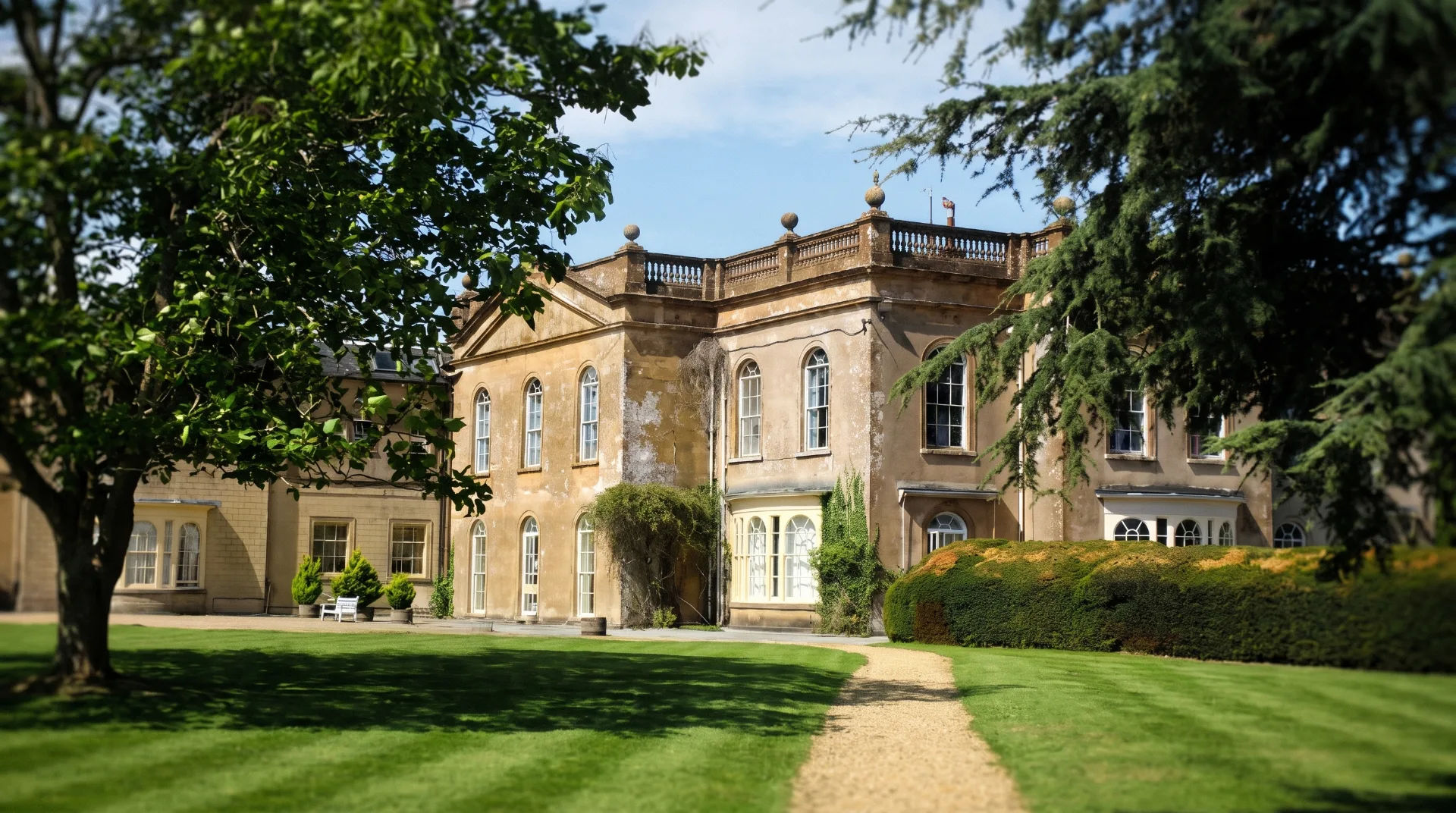
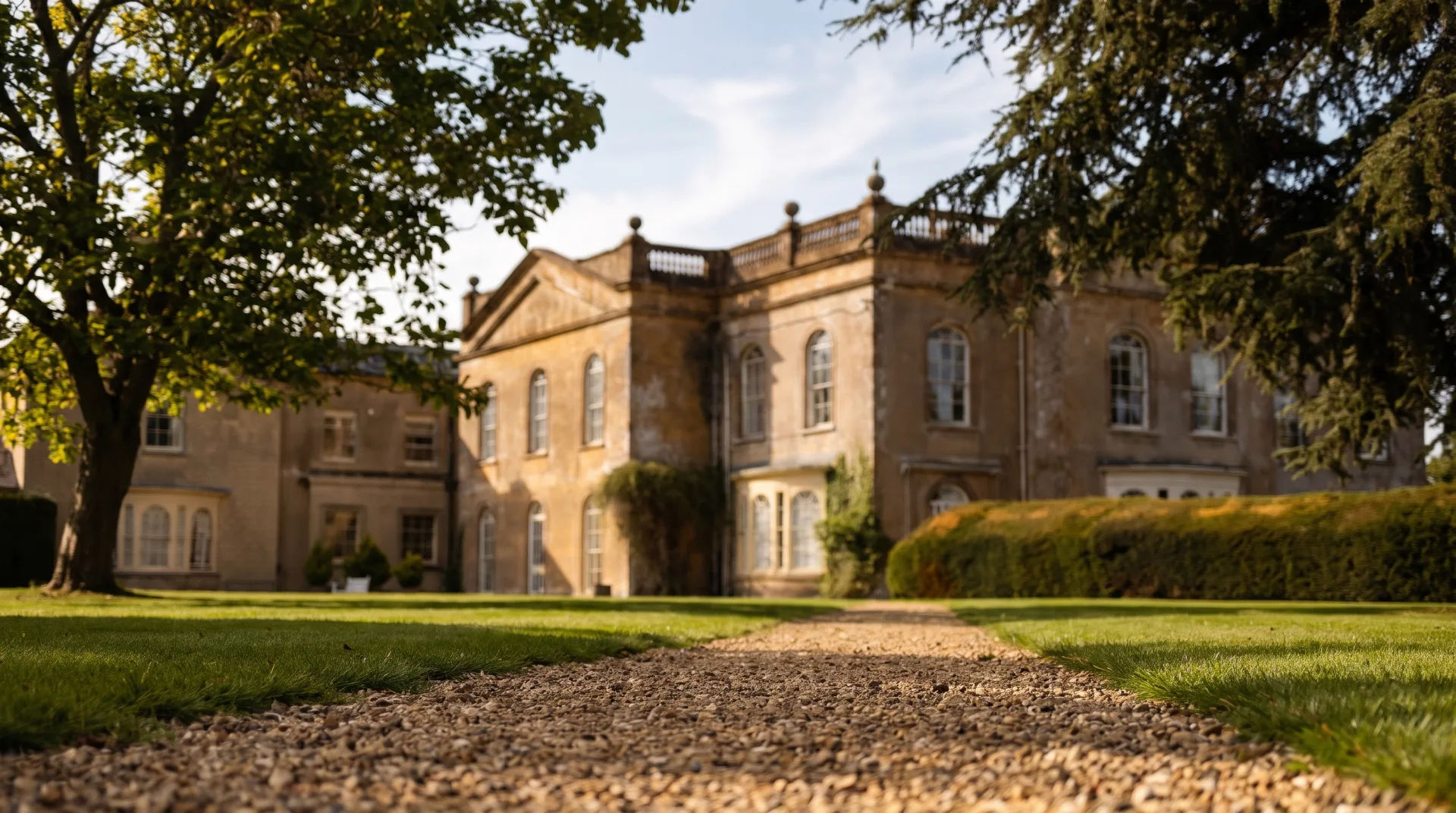
The school’s historic buildings and grounds have been a distinctive feature, offering a traditional yet supportive setting for education. Leweston’s curriculum balanced academic rigour with pastoral care, arts, sports and faith-based activities.
Notable Alumni and Contributions
Leweston School’s alumni include distinguished figures such as actress Dame Kristin Scott Thomas and Baroness Dido Harding, who led the NHS test and trace programme during the COVID-19 pandemic. These former pupils reflect the school’s history of nurturing talent across arts, public service, and leadership.
The school’s contribution to the local community and the wider educational landscape in Dorset has been significant. Its closure marks the end of an era for a school that has been part of the region’s educational fabric for over 130 years.
Alumni and former staff have expressed sadness at the loss of this historic institution, highlighting the personal and professional impact Leweston has had on generations of pupils.
What Happens Next After the Leweston School Closure?
Support for Families and Staff
Families affected by the closure and interested in schools within the Inspired Learning Group can contact parentsupport@inspiredlearninggroup.co.uk. For other enquiries, Hugh Dickinson, chief executive of Concept Education, is the designated contact.
Local education authorities and independent school groups are expected to provide support to ensure pupils find suitable placements quickly. The short notice has made this process urgent.
Parents are encouraged to explore all available options, including state schools and other independent schools in Dorset. Early engagement with new schools will help ease the transition for pupils.
Wider Implications for Dorset’s Education Sector
The Leweston School closure raises questions about the sustainability of smaller independent schools in Dorset and beyond. It highlights the challenges of maintaining enrolment and financial viability in a competitive educational landscape.
Smaller schools often face pressure from demographic shifts, economic factors and competition from larger institutions. The closure may prompt local authorities and education providers to review strategies for supporting independent education.
Parents and local communities may now look more closely at the options available, including state schools, other independent schools, and new education models. The closure also serves as a reminder of the importance of early communication and contingency planning in education.
Lessons for Independent Schools
Leweston’s experience underscores the need for ongoing financial planning, marketing, and community engagement for independent schools. Building strong partnerships and adapting to changing educational demands are critical for survival.
The school’s closure may encourage other small schools to assess their sustainability and explore collaborations earlier to avoid similar outcomes.
For more local news and updates, visit our News section or explore Education news in Dorset.
Read more about the closure and related stories:
Frequently asked questions
When will Leweston School close?
Leweston School will close immediately after the half-term break. The closure was announced with very short notice, surprising many families and staff.
Why is Leweston School closing?
The school is closing due to falling pupil numbers and rising operational costs. Despite recent attempts to secure investment and partnerships, these financial challenges could not be overcome.
Were pupils and staff given advance notice about the closure?
No, pupils were given no prior warning, and staff were informed only minutes before parents received the official letter. This sudden announcement caused distress among the school community.
What arrangements have been made for pupils after the closure?
Every pupil has been offered a place at another school within the Inspired Learning Group starting from Monday 2 November. This includes schools such as Clayesmore School and Sunninghill Prep, and families have been contacted directly to support the transition.
What type of school was Leweston School?
Leweston School was a co-educational Catholic boarding school with nursery, preparatory, senior, and sixth-form sections. It had around 577 pupils aged between two and 19 years.
Who can families contact for support following the closure?
Families affected by the closure and interested in schools within the Inspired Learning Group can contact parentsupport@inspiredlearninggroup.co.uk. For other enquiries, Hugh Dickinson, chief executive of Concept Education, is the designated contact.
Did Leweston School have any notable alumni?
Yes, notable alumni include actress Dame Kristin Scott Thomas and Baroness Dido Harding, who led the NHS test and trace programme during the COVID-19 pandemic.

Comments (0)
No comments yet. Be the first to join the conversation.